
New silhouette of the Golf 9 is presented by Volkswagen with a focus on an electric version

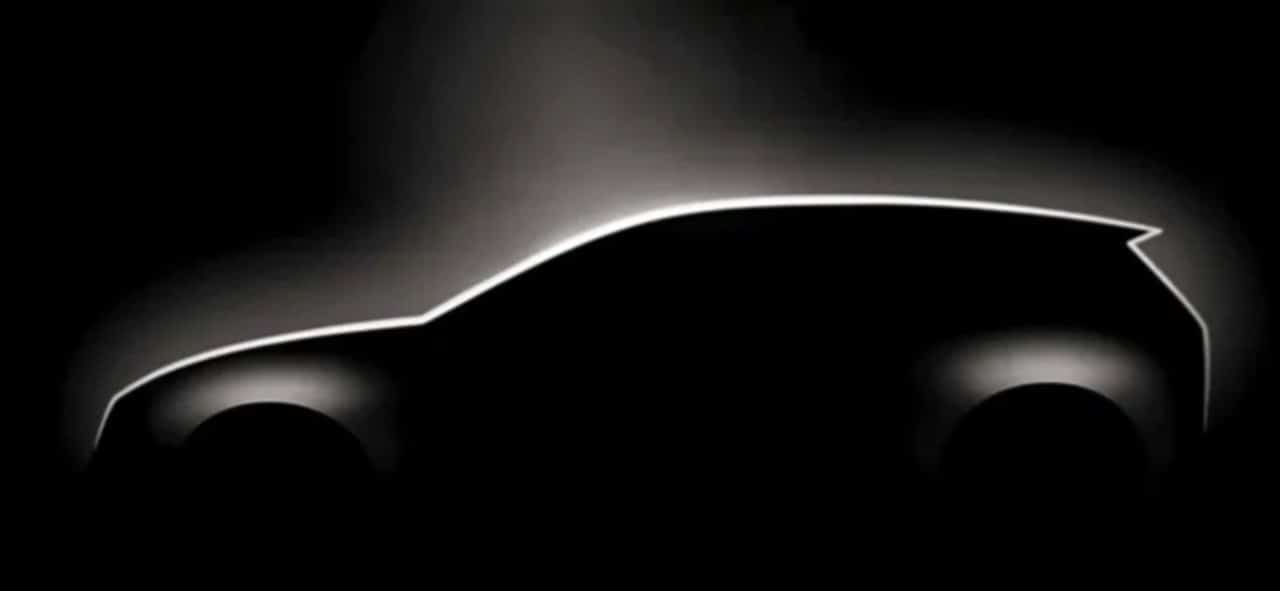
The global automotive universe is witnessing a significant moment with the unveiling of the silhouette of the Volkswagen Golf 9, an icon that is preparing for another phase of its trajectory. The German automaker, based in Wolfsburg, outlined the lines of what will be the ninth generation of its acclaimed hatch, consolidating a strategy that seeks to harmonize the model’s classic visual identity with the imperative transition to electrification. Este movement reflects the complexity of evolving a legendary vehicle in a scenario of profound technological and environmental changes, while maintaining its recognizable and attractive essence.
Volkswagen’s approach to the new Golf is an exercise in balancing heritage and the future, promising a design that, although innovative in its engineering, will remain faithful to established forms. The intention is to appease the model’s extensive fan base, while positioning it for the challenges of sustainable mobility. Essa double nature aims to ensure that the Golf continues to be a reference in the sector, embracing modernity without giving up its history.
The launch strategy foresees a staggered introduction of new versions, reflecting the complexity of managing the market’s energy transition. The presentation of these variants aims to serve a diverse spectrum of consumers, from those who still prefer combustion engines to those who seek the electric avant-garde, signaling the brand’s commitment to diversity of choices.
A maintained heritage: the evolution of design
The design of the Golf 9, according to the first indications of its silhouette, follows a line of continuity, avoiding drastic breaks with previous generations. Essa choice aims to preserve the model’s visual identity, maintaining iconic elements such as the pronounced C-pillars, which are trademarks of the hatch and contribute to its distinction on the global automotive scene. Visual familiarity is a crucial factor for brand enthusiasts.
The decision to adopt a more conservative evolution in terms of style can be interpreted as a strategic move by Volkswagen to solidify its loyal customer base. In a market where bold aesthetics often dictate trends, the automaker is betting on the solidity and recognition of the design that transformed the Golf into a classic, ensuring that the new model is immediately associated with its rich history.
Details about versions and arrival times
The Volkswagen plans to introduce versions of the Golf 9 equipped with a combustion engine from 2027, offering a bridge for consumers who still depend on or prefer this technology. Este initial launch sets the stage for the arrival of the all-electric variant.
Between 2028 and 2029, the brand will present the expected ID. Golf, the electrified version that promises to be a milestone in the line. Este period of four years is crucial for the transition, allowing Volkswagen to manage the adaptation of production and the market response to the different types of engines offered.
Partnership with Rivian redefines the technological future of the model
A central element in the Golf 9 strategy is the Volkswagen collaboration with Rivian, which represents a substantial investment of 5.8 billion dollars. Essa partnership is vital to enhancing Volkswagen’s capabilities in developing software and electrical architectures, driving technological innovation that will underpin the future of the model. The union of expertise is essential to deal with the growing complexity of modern vehicles.
The core of this collaboration is the development of the SSP (Scalable Systems Platform) platform, intended to be the technical backbone for future Volkswagen electric models. Esta advanced architecture promises not only to optimize production through component standardization, but also to significantly raise vehicle reliability and digitalization standards. SSP’s efficiency and integration are pillars for the brand’s competitiveness in the electric era.
In the current context, software plays as decisive a role as hardware in the automotive experience. The synergy with Rivian, recognized for its expertise in electric vehicle technologies and intelligent systems, is seen as a catalyst for Volkswagen to overcome the challenges of electrification. The ability to deliver a fluid and safe digital experience is an essential competitive differentiator for the new generation of cars.
Advanced software integration and the robustness of the SSP platform will enable the Golf 9 to offer cutting-edge connectivity features such as over-the-air updates and enhanced driver assistance systems. Essas technologies aim not only to improve safety and comfort, but also to personalize the driving experience, aligning the vehicle with the expectations of modern consumers through impeccable technological integration.
Golf Mk8 longevity and market transition
Volkswagen has taken a cautious approach to its transition to electrification by announcing that the Golf Mk8, the current generation of the model, will continue in production until 2035.
This prolonged coexistence, which will span twelve years, establishes the Golf Mk8 as a vital bridge between internal combustion technologies and the electric future of the Golf range. By maintaining the current model in the market, Volkswagen demonstrates flexibility to adapt to different speeds of electrification adoption around the world, minimizing potential market gaps and ensuring a smoother transition for its customer base.
The maintenance of the Mk8 also reflects a more gradual production and supply chain management strategy, allowing factories to adapt to growing demand for electric vehicles without abruptly discontinuing production of models with traditional powertrains. Essa approach aims to optimize resources and ensure the company’s operational stability during this period of profound change in the automotive industry.
Interior with a focus on usability and nostalgia
When planning the interior of the Golf 9, Volkswagen demonstrated attention to drivers’ preferences for a more tactile and intuitive experience. One of the notable new features is the return of physical buttons on the steering wheel and center console. Essa decision goes against the trend of concentrating all functions on touch screens, aiming to improve ergonomics and safety by allowing the driver to access essential controls more easily and with less distraction.
In addition to functionality, the automaker also incorporates a touch of nostalgia for those who appreciate the model’s history. The Golf 9 will offer a selectable “retro” mode for its instruments and digital interfaces, allowing the control panel to simulate the classic design of the iconic Golf Mk1. Essa tribute seeks to reinforce consumers’ emotional connection with the Golf’s legacy, celebrating its evolution without forgetting its roots.
Celebrating 50 years of the Golf GTI
The union between the rich history and the promising future of the Golf is emblematically marked by the celebration of the fiftieth anniversary of the Golf GTI, an icon of performance and automotive passion. The Volkswagen chose this milestone to launch a special commemorative edition, which will be one of the highlights during the renowned 24 Horas Nürburgring. Baseada in the powerful version Essa initiative not only celebrates a glorious past, but also reaffirms that the essence of driving excitement, even at the dawn of the electric age, remains an intrinsic value of the brand.
Navigating uncertainty and the power of software
Despite the innovations and the balancing strategy, Volkswagen faces a scenario of uncertainty. Choosing a design that prioritizes continuity can generate challenges in a market saturated with new products, where aesthetic differentiation has become a fundamental competitive factor. The Golf 9’s ability to stand out visually will be tested against competitors exploring more radical and futuristic approaches.
The quality and reliability of the software, developed in collaboration with Rivian, will be pillars for the success of the The success of the model will not only depend on the hardware, but, to a large extent, on the technological intelligence it incorporates.



