
Pokémon FireRed and LeafGreen debut on Switch with Home support and guaranteed access on the next console

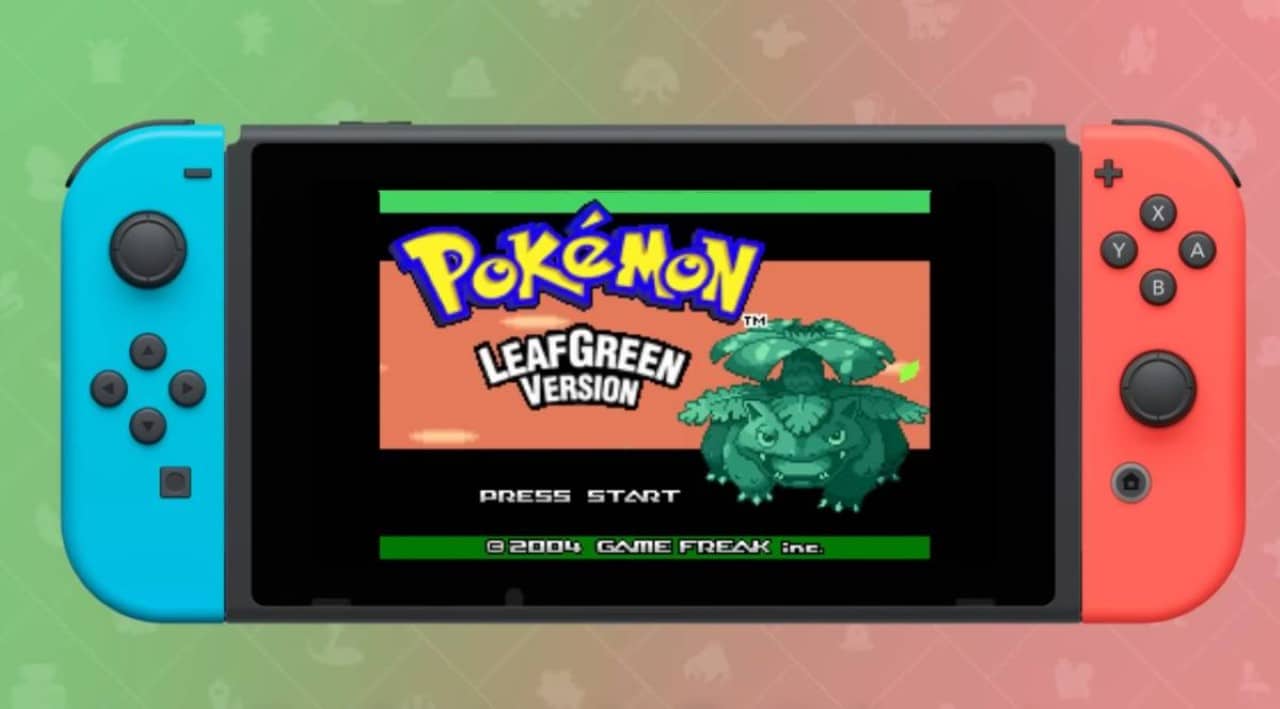
The celebration of thirty years of one of the most influential franchises in pop culture brings the return of two fundamental titles from the Game Boy Advance era to the current Nintendo ecosystem. Confirmado for February 27th, a date recognized worldwide as series day, the launch of the recreated versions of the first generation marks a new chapter in the digital preservation of the classics. Players will be able to purchase digital copies even before the official broadcast of the commemorative event, ensuring immediate access to the content that defined many fans’ childhoods in the early 2000s.
Diferente of other retro titles that are part of the online subscription service catalog, these versions will be sold as individual products in the digital store. The pricing strategy positions the games as premium legacy releases, with prices set at R$120.99 for the Brazilian market and US$19.99 on the international scene. Esta approach reinforces the nostalgic value and historical importance of the works, which brought significant graphic and mechanical innovations when they originally arrived on the market
The technical aspect of the release reveals a compact file of approximately 40 MB, which facilitates internal storage on the hybrid console. The preload functionality is now active, allowing data to be downloaded in advance so that the block can be removed at the exact moment of launch. Esta digital convenience eliminates the need to wait on opening day, meeting the community’s immediate demand to relive the journey through the Kanto region.
One of the most relevant confirmations for the consumer concerns the longevity of the purchase in the Japanese manufacturer’s ecosystem. The acquisition of these digital titles guarantees portability to the successor to the current hardware, popularly referred to as Switch 2. The user’s library will be fully migrated, ensuring that the investment made now remains accessible in the next generation of consoles, a measure that respects purchase history and values the continuity of the user experience.
Wireless Infrastructure Connectivity and Limitations
The multiplayer experience has been adapted to replicate the original Cable Link feel, utilizing the console’s local wireless technology to simulate exchanges and battles. The system does not offer support for combat via the internet, maintaining fidelity to the scope of face-to-face interaction that marked the era of Game Boy Advance. Esta design decision preserves the integrity of the original code and avoids latency or imbalance issues that could occur in a modern non-native network infrastructure.
Players will need to be physically close to perform creature swaps exclusive to each version, such as Ekans and Growlithe in the red edition or Sandshrew and Vulpix in the green edition. The need for direct interaction reinforces the social aspect of the franchise, encouraging real encounters to complete Pokédex, a central objective that requires cooperation between owners of different versions to reach the milestone of 151 pocket monsters.
Emulation of local wireless communication works robustly, allowing junction rooms to operate without the need for physical cables. The console’s current technology manages the connection transparently, eliminating the old problems of physical disconnection, but maintaining the geographic restriction as a tribute to the proximity mechanics that have always been a pillar of the developer’s design philosophy.
Integration with the modern storage ecosystem
The most anticipated feature by veteran collectors and new trainers is full compatibility with the franchise’s cloud storage system. The future update will allow creatures captured in these re-releases to be transferred to the latest games in the series, creating a direct bridge between the third and ninth generations. Esta interoperability is vital to preserving teams and completing challenges that require specific species from past regions.
The one-way transfer process ensures that little monsters trained in Kanto can participate in adventures in modern regions like Paldea. Embora the opposite path is not possible, due to the data limitations of old games, the possibility of exporting long-time partners adds value to the time invested in training and capture. Isso turns reissues into active tools for today’s competitive and collecting ecosystem.
Expanded content and historic preservation
Estas versions are not just mere conversions of the 1996 games, but rather the complete remakes released in 2004, which introduced the Ilhas Sevii. Esta post-game area offers a significant extension of the campaign, with new missions, plots involving Equipe Rocket and the possibility of capturing creatures from the Johto region. Additional content enriches the narrative and offers extra hours of exploration that were not available on the original monochrome Game Boy cartridges.
The preservation of 32-bit pixel art visual aesthetics is presented clearly on high-definition displays, maintaining the vibrant art direction that characterized portable hardware at the time. The remastered soundtrack, which modernized the 8-bit compositions, is also faithfully reproduced, ensuring the aural atmosphere of the journey is exactly as fans remember it or as new players might experience it for the first time.
The starting player’s choice between Bulbasaur, Charmander and Squirtle remains the first major strategic dilemma of the adventure. The journey to defeat the Elite of the Quatro and the rival champion remains the core of the progression, but the inclusion of mechanics such as natures and skills, which were standardized in this generation, makes the combat deeper and in line with the current standards of the series, facilitating readaptation for those accustomed to modern games.
The release of these classics fills an important gap in the hybrid console library, allowing almost all generations of the main series to be played on a single platform. The initiative to make these titles available for outright purchase, rather than exclusively linking them to a rental service, demonstrates a recognition of the demand for digital ownership and library preservation from the most dedicated consumer base.




