
Pokémon Pokopia redefines the experience of creatures on Switch with construction and environmental respect


A new chapter in the Pokémon franchise redefines the interaction between creatures and their environment, presenting an innovative take on the well-known universe. Em Pokémon Pokopia, players are immersed in a setting where human absence allows for an in-depth exploration of natural harmony and reconstruction. Este spin-off, developed for Nintendo Switch, puts the player in the shoes of an Ditto, a creature with the ability to transform its shape, who awakens in a once prosperous city, now in ruins. The core mission is clear: collaborate with others Pokémon to restore the beauty and functionality of the place, forging a perfect world through joint effort.
Taking on the peculiar humanoid form of an ancient trainer, the Ditto protagonist embarks on a journey of learning and skill development. Guidance from others The process of cleaning and unblocking old paths, through the methodical destruction of stone blocks, marks the beginning of the renewal of the environment.
The game’s central mechanics evoke construction and simulation titles, where the environment is made up of malleable blocks. Esta structure allows you to destroy and rearrange the landscape according to the player’s creativity. Habitat restoration attracts new species of Pokémon, each contributing unique abilities to the ecosystem’s flourishing and community expansion.
Innovative restoration mechanics
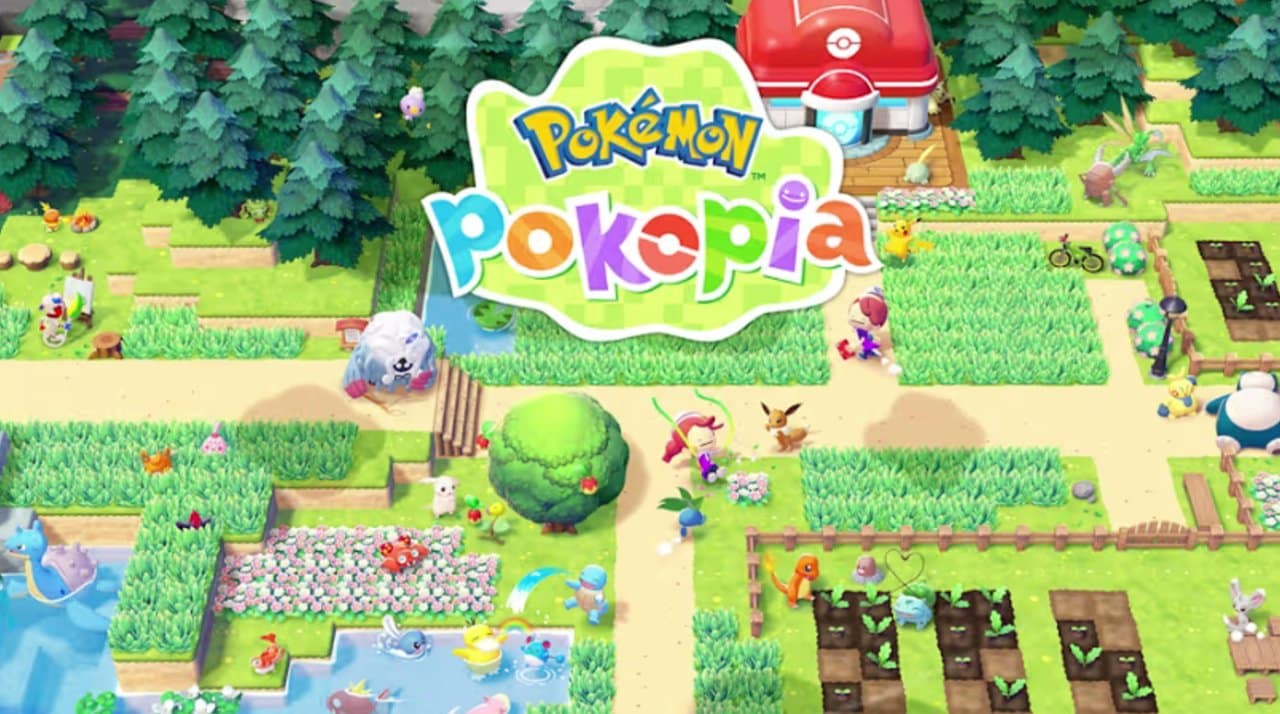
Pokémon Pokopia’s gameplay stands out for the relaxing and methodical nature of its activities, inspired by titles like Minecraft. The world, made of blocks, offers the player the freedom to destroy and remodel the landscape. Este constant cycle of creation and transformation ensures that there is always a task to be accomplished, maintaining continuous engagement.
The return of natural habitats is directly linked to the appearance of new Pokémon, which bring with them new capabilities and preferences. Algumas creatures, for example, prefer grass shaded by rocks, while others seek out a picnic table with appetizing fruit. Outras still feel more comfortable near a cart loaded with boxes, demanding attention to the diversity of environments.
This relaxed pace of the game harmoniously blends the serenity of decoration and socialization, hallmarks of Animal Crossing, with the more robust tasks of city building. The combination results in an immersive experience where management and interaction with the environment are at the heart of the fun, allowing each player to create a truly personalized world.
The rich interaction between creatures
One of the most charming aspects of Pokopia is the way the Pokémon interact and talk to each other, something that humans normally cannot understand. The game reveals a range of distinct personalities, adding depth to the experience. Charizard, for example, shows himself to be a loyal and stalwart comrade, while Vespiquen displays polite demeanor and a touch of royalty. Pidgey demonstrates genuine happiness in his presence in the environment, and Tangrowth, a mass of friendly vines with a professorial stance, guides the player in his daily activities.
Improving the homes and ecosystems of each Pokémon contributes directly to the individual and collective happiness of creatures. Esse care culminates in the formation of a cohesive and charming group, living in an attractive and well-decorated forest, created by the player himself. Quando human artifacts, such as a bicycle or a map, are unearthed, all Pokémon come together in a comical and awkward attempt to divine their former uses, reinforcing the sense of community and curiosity inherent in the group.
References in the world of games and originality of the franchise
While playing Pokopia, several reminiscences of other notable titles from the gaming universe appear. Além of the inspirations evident in Minecraft, Stardew Valley and Animal Crossing, the game also shares similarities with Dragon Quest Builders, with which it shares the developer Omega Force. An even more notable connection can be made with Viva Piñata, an underrated title from 2006, where the aim was also to create attractive habitats to attract creatures to an ever-evolving garden. Contudo, it’s notable that Pokopia doesn’t evoke much memory of other Pokémon games, and that distinction is undoubtedly one of its greatest qualities. The title benefits from the cuteness, charm and nostalgic associations intrinsic to the Pokémon brand, but manages to avoid the feeling of excessive familiarity that can sometimes weigh on new entries in the main series, presenting a proposal that is completely renewed.
Expansion of the universe and longevity of the adventure
The universe of Pokopia reveals itself to be surprisingly vast and complex as new areas become accessible beyond the initial desert. Essa progressive expansion suggests that the game offers a considerable volume of content, capable of keeping players entertained for an indefinite period of time, depending on individual dedication.
Tasked with cataloging 300 different species of Pokémon, completing the main narrative does not mark the end of the gameplay experience. Este aspect grants substantial longevity, encouraging continued exploration and search for all creatures. The game is not restricted to a simplified life simulation, but positions itself as an exquisite celebration of the genre, incorporating the best of its diverse influences with depth.
An in-depth environmentalist subtext
The Pokémon franchise, throughout its history, has always carried a subtle but present environmentalist subtext, highlighting the importance of harmony between humans and the creatures that inhabit their verdant worlds. The exploration of these scenarios full of life, together with the collection of species, reinforces the idea that respectful coexistence is essential for the health of the ecosystem.
In contrast to this view, the antagonists of the Pokémon stories, from Equipe Rocket to figures like Bill Nighy in the film “Detective Pikachu”, are often depicted as those who seek to exploit and abuse the Pokémon for selfish ends. Essas narratives serve to reiterate the central message: respect for Pokémon, both captured and wild, is a pillar of the series’ philosophy, highlighting a delicate interdependence between humanity and the natural realm.
Pokémon Pokopia takes this premise to a new level, by presenting a scenario where the absence of humans allows us to explore what happens when nature and creatures are left to themselves. The game delves into the question of how Pokémon, autonomously, manage their own environment, building a sustainable society without the direct intervention of trainers.
As an Ditto, the player experiences firsthand the responsibility of restoring and cultivating a degraded environment, working together with other species. Essa collaboration between creatures to recreate a beautiful and functional world amplifies the message of environmental respect and shows nature’s intrinsic potential to recover and flourish when treated with care, reinforcing the preservation ethic that permeates the franchise.
Technical details and the team behind the project
The design of Pokémon Pokopia relied on the expertise of Game Freak in collaboration with Omega Force, resulting in an innovative experience for the Nintendo Switch. Nintendo, as publisher, reinforced the launch of the title on the platform, ensuring that the game reached a wide audience. Essa partnership between experienced studios and the franchise’s main publisher contributed to the quality and uniqueness of the spin-off, marking a new direction for the Pokémon universe with a focus on simulation and construction elements.




