
Pokopia’s debut on Switch 2 marks a new era for the franchise with a focus on construction and management

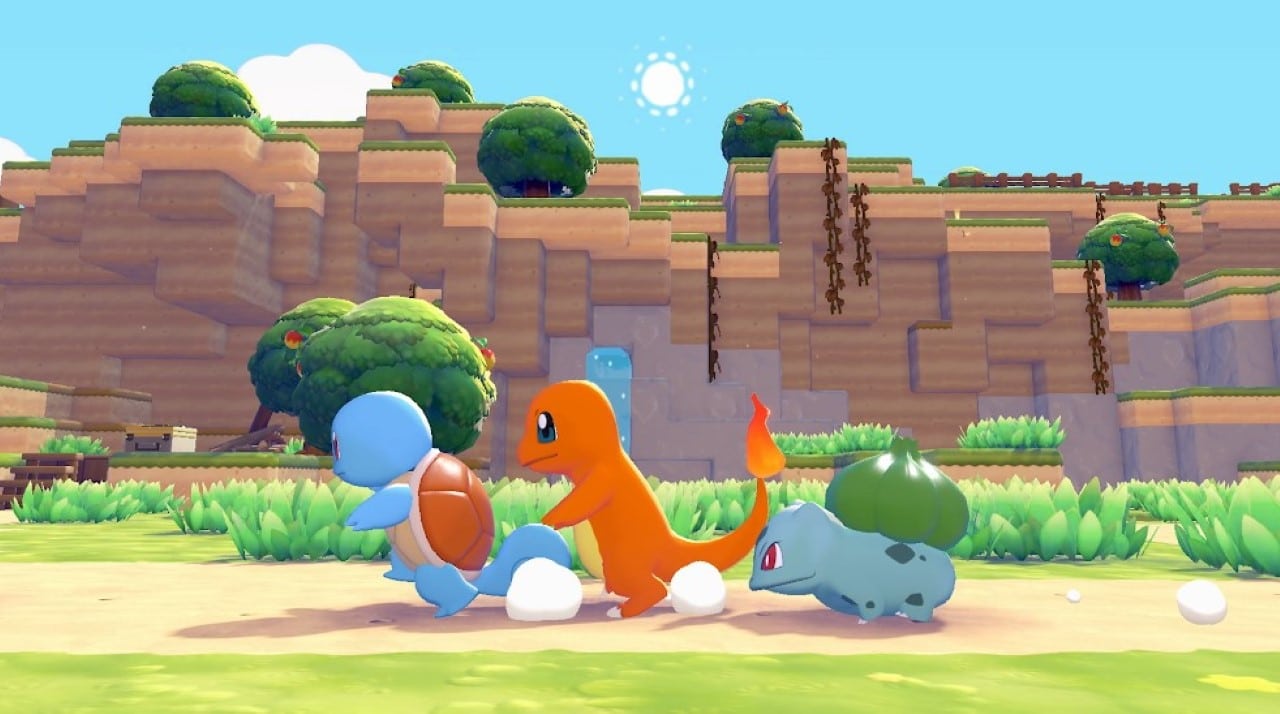
This Thursday, March 5th, Nintendo made official the arrival of Pokopia to the global market, marking the debut of an unprecedented intellectual property developed specifically for the Switch 2 hardware. The project is the result of a strategic partnership between in ecosystem management. The change of direction seeks to attract an audience interested in simulation experiences, moving away from the RPG formulas that have consolidated the brand in recent decades.
The narrative introduces a scenario where humanity is no longer present, placing the player in control of an Ditto in a post-apocalyptic environment in need of restoration. The main objective is to use the protagonist’s transformation capabilities to collect natural resources and build new communities, promoting collaboration between different species of monsters to revitalize devastated geographic areas.
Renovation mechanics and creative tools
The game system adopts design elements that prioritize creative freedom and relaxation, allowing users to shape topography and build functional structures without the restrictions of timers or enemies. The absence of human trainers and antagonists redirects the focus to organic interaction with the environment, where terrain modification becomes the main tool for progress.
Among the available resources, features that encourage continuous experimentation and customization of biomes stand out:
– Ciclos of rewards structured around the harmony and well-being of the village;
– Ferramentas terrain editing that expands according to the restoration level;
– Ausência total competitive pressure, favoring a rhythm of the game.
The gameplay proposal encourages players to test different urban and natural settings, transforming arid regions into dense forests or organized centers. Daily tasks serve as optional guides, ensuring the experience remains accessible to both sim veterans and new users just seeking artistic expression.
Social dynamics and autonomous ecosystem
The management of society in Pokopia depends directly on the individual characteristics of each creature, which present autonomous behaviors and specific functions within the community. Espécies like Charizard assume leadership and security positions, while others, like Vespiquen, manage logistics and resource storage, creating a complex social web that demands the player’s attention.
During exploration, it is possible to find fragments of memory and artifacts that offer clues about the fate of human civilization and the history of the world before the protagonist’s awakening. Esses narrative elements are integrated into dialogue between characters, deepening immersion and providing context for the reconstruction activities that drive the game’s economy.
The cooperation system was designed so that the happiness of the inhabitants unlocks new building recipes and transformation skills. Compreender the needs and nuances of each species therefore becomes an essential requirement to guarantee the sustainable growth and evolution of villages created by the user.
Update planning and market impact
The initial reception from specialized critics points to the launch as one of the industry’s boldest moves in 2026, highlighting the technical quality and depth of the simulation mechanics. The visual aesthetics and welcoming atmosphere were praised as determining factors for the brand’s revitalization in the new Nintendo console cycle.
In an official statement, the developer confirmed a long-term support roadmap, which includes the addition of seasonal festivals and themed decoration packs via free updates. The planning also foresees the introduction of new biomes and the expansion of the catalog of available creatures, aiming to maintain active community engagement in the coming months.




