
Sales success makes CAOA Chery increase Tiggo 5x 2027 table less than a week after debut

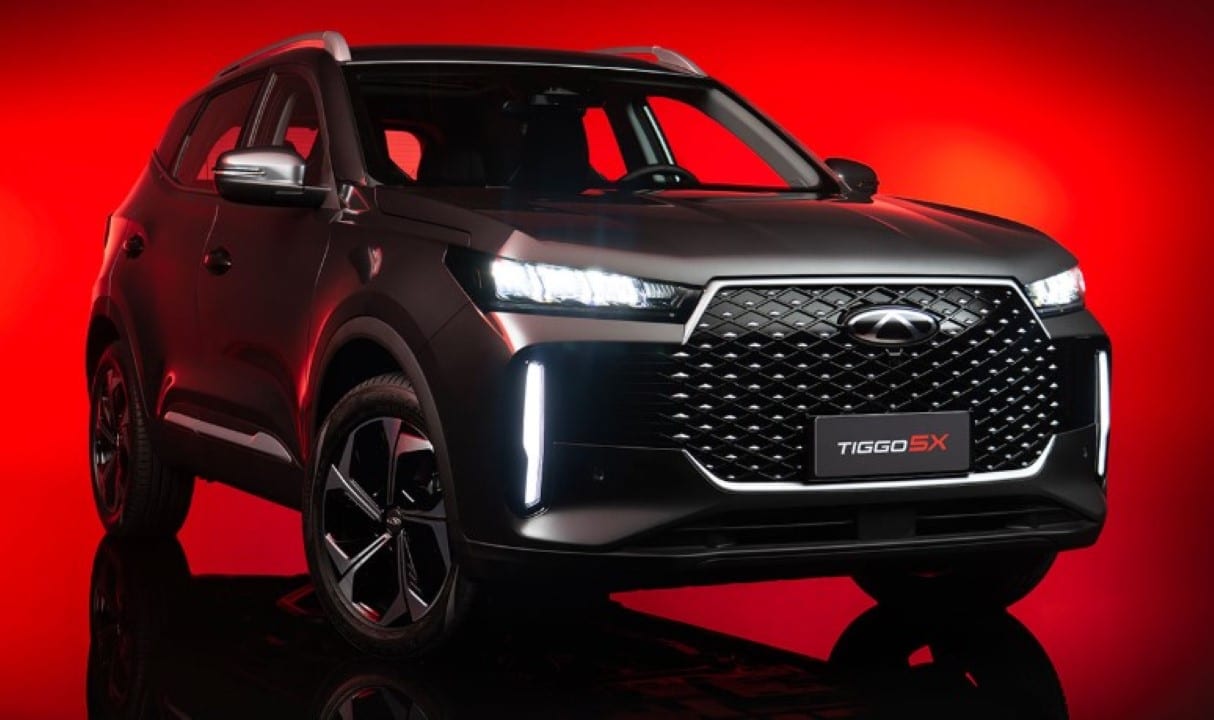
The dynamics of the Brazilian automotive market saw a rapid change in commercial strategy by CAOA Chery in relation to its most recent launch. Após a week of debut with impressive results, the automaker chose to update the value table of the new sports utility vehicle, changing the original conditions that had attracted thousands of consumers to dealerships.
The pricing movement occurs in a scenario of high demand, where demand for the vehicle drastically exceeded the manufacturer’s initial expectations. The decision reflects the heating of the SUV segment and the public’s immediate response to the technological and aesthetic innovations presented in the 2027 model line.
With the change, the product’s positioning changes slightly compared to the competition, requiring the consumer to recalculate the cost-benefit ratio. The launch strategy, which combined commercial aggressiveness with immediate availability, now gives way to a regularized pricing policy, aligned with the new reality of stock and orders.
Explosion of sales in the first few days
The commercial performance recorded between February 24th and 28th was the main catalyst for the revision of values. During this short period of five days, the dealership network recorded a trading volume that exceeded any conservative forecast made by the brand’s analysts.
While the internal projection stipulated the sale of 5,000 units for the launch period, total effective sales reached the mark of 12,000 vehicles. Esse unexpected volume generated robust revenue, exceeding the figure of R$1.56 billion, consolidating the product as an instant sales phenomenon in the first two months of 2026.
New values for versions Sport and Pro
The update of the table directly affected the two available configurations of the utility, ending the pre-sale promotional conditions. The adjustment varied between R$5,000 and R$7,000, depending on the equipment package chosen by the customer, which repositions the vehicle in a higher price range.
In the entry-level version, called Sport, the price jumped from R$119,990 to R$124,990. Já the top-of-the-line configuration, the Pro, suffered a greater increase, going from R$134,990 to R$141,990. Esses new values put the model in direct confrontation with established rivals that operate in the same budget range.
Technical differences and standard equipment
To justify the new market positioning, CAOA Chery focuses on the onboard technology package and comfort items that differentiate the Sport and Pro versions. The list of equipment is extensive and seeks to serve both those who prioritize cost and those looking for sophistication.
- Running-in and Estilo:The Sport option features 17-inch alloy wheels and 215/60 R17 tires, while the Pro offers 18-inch wheels with an exclusive diamond finish.
- Air conditioning:The entry-level model has electronic air conditioning with manual adjustment, while the more expensive version features a digital Dual Zone system.
- Assistance for Condutor:The Pro version stands out for the Max Drive 2.0 package, including Controle of Cruzeiro Adaptativo (ACC), automatic emergency braking and forward collision warning.
- Visibility:Enquanto o Sport uses a reversing camera with dynamic guides, the Pro has a high definition 360° camera system.
- Comfort on board:Teto panoramic solar panel, electrically adjustable driver’s seat and 50W induction cell phone charger are exclusive to the top-of-the-line configuration.
Competitive landscape and future challenges
The compact SUV segment remains the most competitive in the country, bringing together heavyweights such as the Volkswagen T-Cross, Jeep Renegade, Chevrolet Tracker and Toyota Corolla Cross. The entry of the Tiggo 5x 2027 with a promotional price had created a temporary competitive advantage, which is now diluted with the adjustment, leveling the playing field.
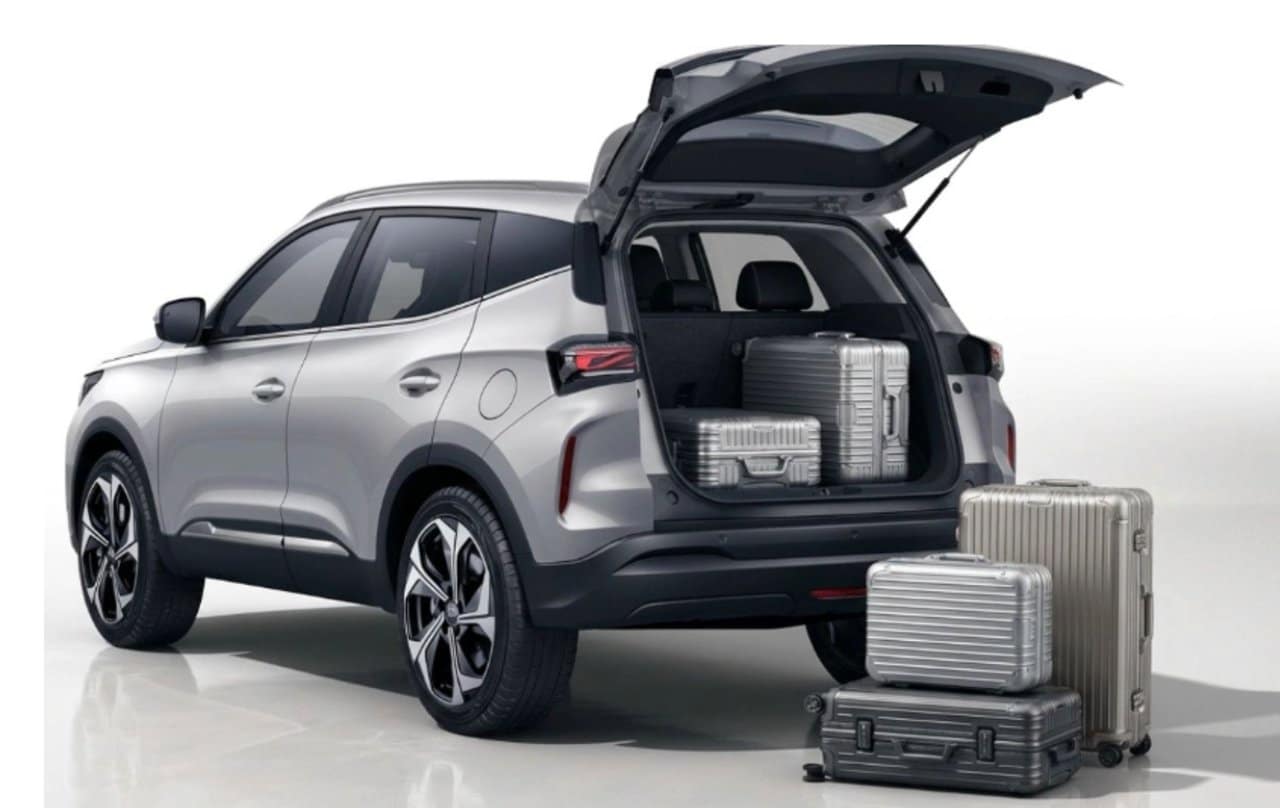
In addition to price, the model faces the challenge of maintaining attractiveness based on its technical attributes. Questões points raised by consumers and specialized criticism, such as fuel consumption and the volumetric capacity of the trunk, continue to be decisive factors in the purchasing journey, especially now that the initial investment value has risen.
Maintaining the sales pace will depend on the brand’s ability to sustain the perception of added value. The after-sales and reliability built in recent years will be tested as the “novelty effect” wears off and the vehicle has to sustain itself on its intrinsic qualities against competitors who are also constantly renewing their portfolios.



