
Traffic legislation maintains tax exemption for bicycles and scooters across the country

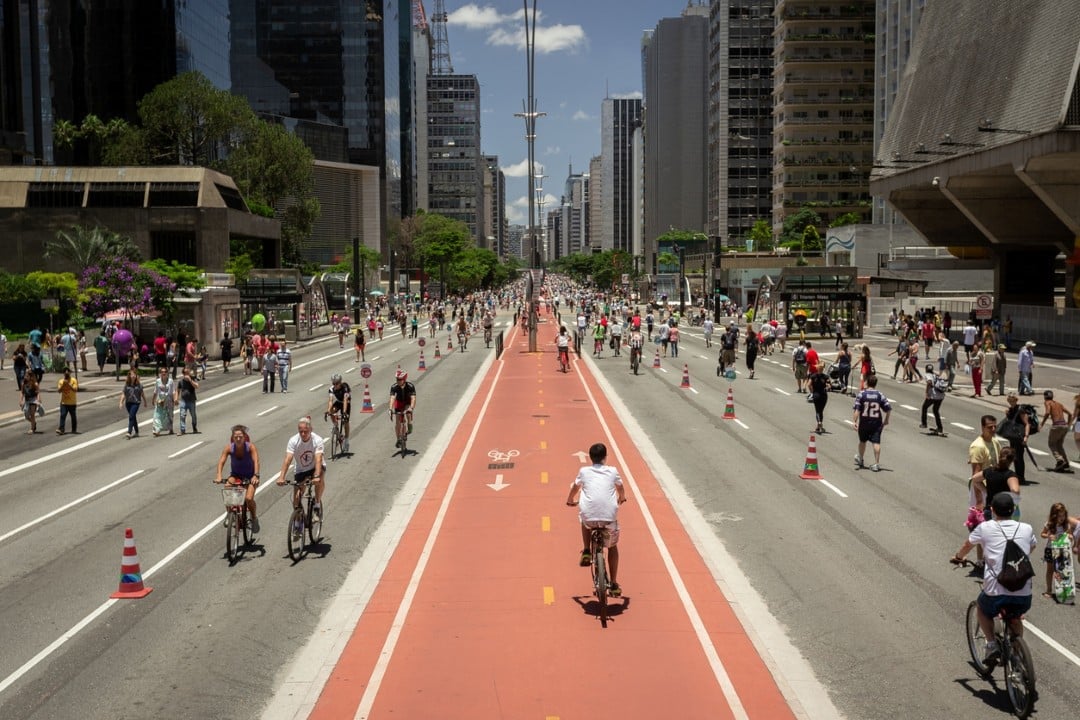
The circulation of false information about the creation of new taxes for light mobility generated significant doubts among cyclists and users of alternative transport throughout the national territory. Publicações viral on social media wrongly suggested that the federal government would be implementing a charge of Imposto on top of Propriedade of The measure, however, does not have any legal support or project in progress.
The federal government, through Secretaria of Comunicação Social (Secom) and Ministério of Fazenda, clarified that there is no intention or proposal to tax this equipment. Current Brazilian legislation is clear in differentiating motor vehicles from individual mobility equipment, guaranteeing tax exemption for those who opt for sustainable transport in cities.
Experts in tax law reinforce that the competence to institute IPVA is exclusive to the states and Distrito Federal, and not União. Além In addition, Constituição Federal itself and Código of Trânsito Brasileiro (CTB) have specific definitions that exclude bicycles and scooters, including electric models, from the category of vehicles subject to this type of annual taxation.
The dissemination of this type of alarmist content harms the debate on urban mobility and creates an unjustified barrier to the adoption of clean transport. It is essential to understand the current rules and the country’s tax structure to avoid falling into narratives that only seek to generate engagement through disinformation.
Origin and spread of the rumor
The wave of misinformation gained strength mainly on short video platforms and messaging groups, using sensationalist rhetoric to attract public attention. The contents alleged, without presenting documentary evidence, that Ministério of Fazenda was preparing a decree for the mandatory registration of bicycles. The narrative attempted to link the supposed measure to a need to increase federal revenue, citing the names of political authorities to give false credibility to the report.
Social media analysts identified that the peak of these posts occurred in the middle of last year, but the issue periodically resurfaces, confusing new users. The format of the videos often appeals to taxpayer outrage, using fabricated montages and headlines that were never published by official press outlets or official União journals.
The authorities’ response was categorical in denying the rumors. Secom emphasized that the current management’s priority in relation to urban mobility involves encouraging sustainable transport and reducing carbon emissions, guidelines that would be directly harmed by a possible taxation of the sector. The official note served to reassure the micromobility market, which feared a decline in sales and equipment rental.
Understand the legal basis and exemption
To understand why charging IPVA on bicycles is legally unfeasible in the current scenario, it is necessary to analyze the tax structure. IPVA is a state tax that is levied on the ownership of land motor vehicles. Its calculation base and rates are defined by the legislation of each state, generally varying between 1% and 4% of the asset’s market value. The collection is shared between the state and the municipality where the vehicle is licensed.
The central point of the issue is the definition of “motor vehicle”. The Código of Trânsito Brasileiro and the resolutions of the Conselho Nacional of Equipamentos autopropelidos e bicicletas com auxílio elétrico não se enquadram na categoria que exige licenciamento e, consequentemente, não geram fato gerador para o IPVA.
In addition to the technical barrier, there is the issue of administrative competence. Como the tax is not federal, the central government would not have the power to institute this charge by simple decree. Seria required a constitutional amendment or a profound change in traffic and tax legislation in all 26 states and Distrito Federal, a coordinated movement that is not on the agenda in any legislative assembly in the country.
Therefore, the exemption remains valid and protected by law. Proprietários of conventional bicycles, electric bicycles and scooters do not need to worry about payment schedules, issuing guides or tax inspection over the ownership of these goods. The focus of traffic inspection for these modes is restricted to circulation and road safety standards.
Current safety and circulation regulations
Although exempt from taxes, bicycles and scooters are not free from regulation regarding their use on public roads. Resolução nº 996/2023 of Contran is the main current regulatory framework, defining where and how these vehicles can circulate to guarantee the physical integrity of drivers and pedestrians. The rules aim to organize urban traffic, which is becoming increasingly mixed with the popularization of trams.
Among the main guidelines established for electric bicycles and self-propelled individual mobility equipment, the following stand out:
* Velocidade maximum speed of 32 km/h on cycle paths and cycle lanes.
* Limite of 6 km/h in pedestrian circulation areas, when permitted.
* Obrigatoriedade of equipment such as bells, night signals and speed indicators.
* Uso helmet, although not always strictly monitored, is an essential and recommended safety item.
Impact on the economy and mobility
Maintaining tax exemption is seen as strategic for the development of Brazilian cities. With the minimum wage in force in 2026 set at R$1,621, the cost of public or private transport weighs on families’ budgets. Bicycles and scooters emerge as economical alternatives for last-mile travel or for complete journeys, reducing monthly expenses and alleviating overcrowding on buses and subways.
Sector data indicates that the threat of taxation, even if false, creates legal uncertainty and can slow down investments in cycling infrastructure and sharing services. Clarity of the rules is essential for companies to continue expanding their rental fleets and for the national bicycle industry to maintain its pace of production and technological innovation.
International context and future
The Brazilian practice of not taxing bicycle ownership is in line with the public policies of the most developed nations in terms of urban mobility. Países like Holanda, Dinamarca and Alemanha not only exempt these vehicles from annual taxes, they offer subsidies for the purchase of electric models and invest heavily in connected bike lanes. The global logic is that the social, environmental and public health benefits generated by cycling outweigh any potential direct tax revenue. No Japão and Estados Unidos, although there are strict registration rules for more powerful models that resemble motorcycles, the standard bicycle and low-speed scooter remain free of recurring charges, reinforcing that the misinformation spread in Brasil goes against global urban planning trends.



