Visual controversy in RPG causes Nintendo to issue immediate refunds to players of the new console
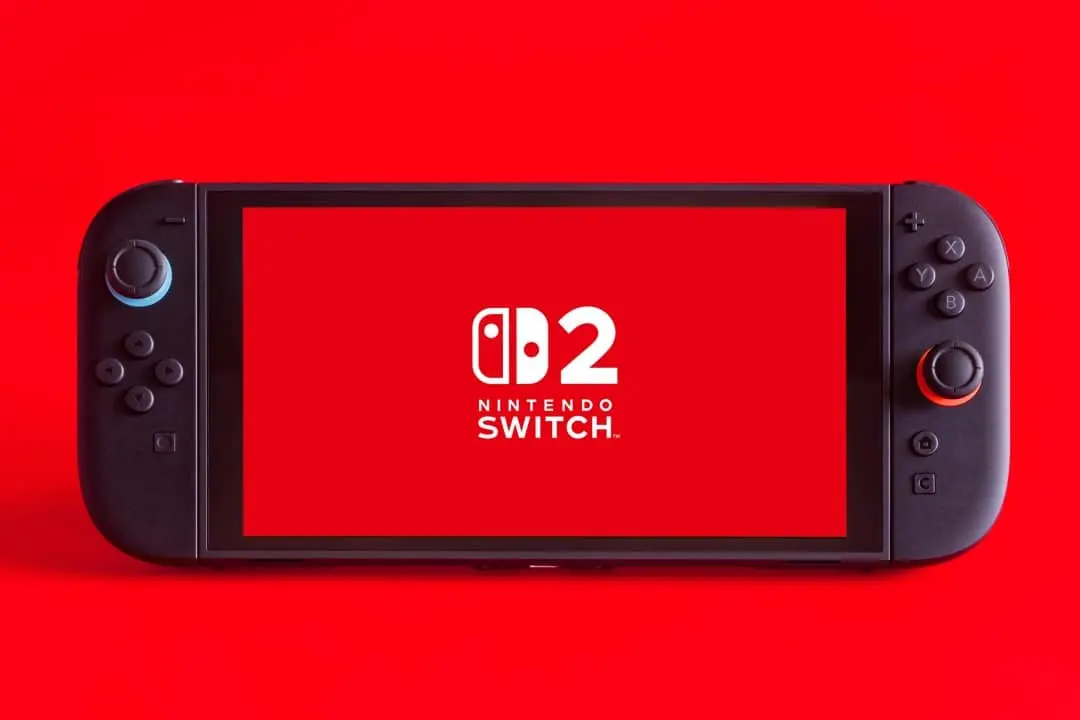
Nintendo has begun an unusual process of refunding funds to buyers of a recent paid update to one of its most highly regarded RPG titles. The Japanese company’s decision comes in response to a wave of negative criticism from the gaming community, which pointed out severe visual discrepancies in the new version of the software. The move marks a rare moment in the gaming giant’s policy, known for being strict regarding refunds for digital products, and signals increased attention to consumer satisfaction in the face of the transition to new hardware platforms.
The focus of the complaints lies in the new artistic direction adopted for the updated hardware, which many fans consider inferior to the original version released on the previous console. While the update promised technical improvements, the removal of certain post-processing effects and changes to lighting resulted in an aesthetic that displeased purists. The community argues that the “dirty” and immersive atmosphere of the original was replaced by an excessively clean and artificial look, distorting the work’s identity.
Relatos of users indicate that the company’s technical support is acting surprisingly quickly. Solicitações refunds based on dissatisfaction with graphics are being processed, in many cases, in less than ten minutes after initial contact. Essa agility suggests that the company internally recognizes the validity of the complaints and has opted for a damage containment strategy to preserve the trust of its installed base.
The situation raises important debates about the preservation of digital works and the risks involved in remastering. The case demonstrates that technological advancement alone does not guarantee a superior experience if it is not aligned with the original artistic vision. Para many enthusiasts, the Wii U console version remains, ironically, the definitive game experience, maintaining the visual integrity that the new iteration failed to replicate.
Aesthetic changes and community reaction
The visual controversy revolves around fundamental changes to the rendering of characters and settings. Especialistas in technology and dedicated fans noticed that the new version saw a drastic change in the way shadows and lights interact with 3D models. The practical result was an appearance that many describe as “flat” or similar to plastic dolls, losing the dramatic depth that characterized the original release.
Learn more: Nintendo releases refunds for graphical glitches in Xenoblade Chronicles X upgrade on Switch 2
Análises comparisons published by specialized channels reinforce the perception that there was an unsolicited change of tone. Onde Before there were volumetric fog and lighting effects that gave weight and realism to the science fiction environment, now a clinical clarity prevails that exposes the limitations of the models. Essa change in art direction transformed the perception of the characters, who now seem disconnected from the scenes, generating a feeling of strangeness during cut scenes and dialogues.
The reaction on social media and forums was immediate and intense. Jogadores who were eagerly awaiting the update expressed disappointment upon realizing that the update, intended to be the definitive version, ended up subtracting crucial visual elements. The term “generic anime aesthetic” was used by several critics to describe the new style, contrasting with the unique and robust visual identity that the game had in its previous incarnation.
Return Policy and Corporate Response
Nintendo’s operational response to this incident has been remarkably efficient, contrasting with the usual bureaucracy of the digital services sector. By allowing quick refunds without major obstacles, the company demonstrates the necessary flexibility to deal with products that do not meet quality expectations, even if they do not present technical failures, such as bugs or crashes.
See Also
Semana Gamer: Vivo e Supercell oferecem item raro gratuito para jogadores de Clash Royale

id Software mantém a engine própria id Tech e afasta rumores de migração para Unreal Engine
Pequenos toques em 14 jogos elevam a imersão e o cuidado dos criadores
Essa stance may indicate a new pattern of behavior for the era of Switch’s successor. With the user base becoming increasingly demanding and vocal, the ability to respond promptly to image crises becomes a valuable asset. Tacit acknowledgment that the product didn’t deliver what was promised helps mitigate consumer frustration, turning a potential public relations crisis into a show of respect for the customer.
On the same topic: Nintendo refuses refunds to Switch 2 customers for voiding illegal fees
Não There is, to date, an official statement detailing plans to revert the visual changes through new patches. The current strategy appears to focus on the immediate satisfaction of those who felt financially harmed, while the development team evaluates the feasibility of future technical adjustments. The absence of a clear roadmap for corrections leaves the community on alert, but the open channel for returns serves as an escape valve for the accumulated tension.
The balance between art and advanced hardware
The episode serves as a relevant case study for the entire electronic games industry, especially when it comes to artistic preservation. The assumption that more powerful hardware automatically results in better versions of old games has been challenged. Graphical fidelity is not just a matter of polygon count or resolution, but of how these technical elements serve the narrative and atmosphere intended by the original creators.
Analistas market observe that this incident acts as a warning for the life cycle of the next console. Migrating game libraries and updating classics requires curatorial care that goes beyond software engineering. The risk of alienating fans by altering the essence of beloved works is real and can have direct financial repercussions, as demonstrated by the volume of refunds requested.
The discussion extends to the role of remasters in the modern era. Onde Is the line drawn between technical improvement and undue artistic alteration? In the case of this RPG, the community decided that the line had been crossed. Newer hardware, despite its superior capabilities, has failed to capture the “soul” of the original game, proving that art direction and creative intent must always take precedence over computational brute force.