
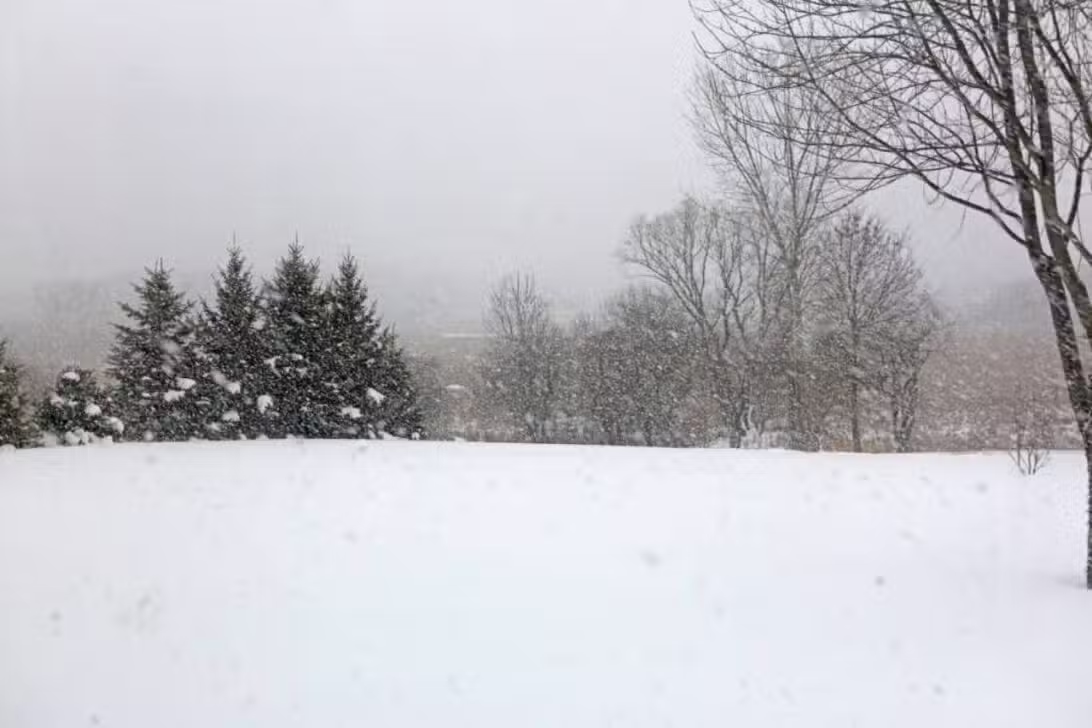
The arrival of low temperatures and the transformation of the landscape into a white landscape spark interest in outdoor activities typical of the season, with snow sculpture being one of the most popular. The act of molding figures in ice, although it seems like a simple and intuitive game, involves physical and planning principles that determine the success of the endeavor. Transformar loose flakes into a cohesive structure requires more than just stacking material; It demands an understanding of snow consistency and the basic support architecture.
Many amateur constructions fail or collapse prematurely due to poor compaction technique or inadequate choice of installation location. Especialistas in winter activities point out that the durability of a snowman is directly linked to the density of the spheres and the balance of the center of gravity. Applying correct methods not only makes physical work easier, but also results in creations that are more aesthetically pleasing and resistant to weather variations throughout the day.
In addition to the technical aspect, the activity has a strong component of socialization and development of motor skills, especially when carried out in a group. The coordination required to lift the heaviest parts encourages teamwork, while the decoration stage encourages creativity and the reuse of materials. The entire process, from foundation to finish, becomes a learning experience on how to interact with the icy environment productively and safely.
To ensure that the figure remains standing and intact for as long as possible, it is essential to follow a route that prioritizes structural stability. Desde from analyzing the type of snow available to nighttime preservation tricks, each step influences the final result. Mastering these techniques takes the practice to a new level, allowing the sculpture to become a visual highlight in the external environment.
Land assessment and raw material selection
The first decisive step for any snow construction is identifying the appropriate location. Áreas planes are mandatory to prevent the base from sliding or suffering unequal pressures that compromise the verticality of the sculpture. Além of topography, sun exposure must be strictly considered; Locations that remain in shade most of the day, such as the south side of buildings or under the canopy of evergreen trees, offer natural thermal protection that slows melting.
Snow quality acts as the determining factor for project viability. The so-called “compression snow” is ideal, characterized by a level of humidity that allows the crystals to clump together when pressed. Very dry snow, common in extremely low temperatures, tends to crumble and does not hold complex shapes, while excessively wet snow becomes heavy and difficult to handle. Testar consistency Making a small ball in your hand is the best way to check if the conditions are right for starting work.
Methodology for compacting and forming spheres
The construction of the doll’s body parts must follow a gradual process of material accumulation. The most effective method is to start with a hand-molded compact sphere that serves as the core. As this initial ball rolls across ground covered in fresh snow, it accumulates successive layers, consistently increasing in diameter. It is crucial to perform this movement in different directions to ensure that the sphere remains round and does not take on a cylindrical shape.
Density is achieved through constant pressure during rolling and manual adjustment of surfaces. Poorly compacted Esferas contain air pockets that weaken the internal structure, making it susceptible to cracking or collapsing under the weight of the upper layers. Teamwork becomes essential as the balls grow, requiring coordinated strength to move them without damaging the spherical shape that will guarantee the aesthetics and stability of the figure.
Part proportion is a golden rule in snowman engineering. The base must be significantly larger to support the load, followed by a medium middle section and finally the head, which must be the smallest and lightest. Essa mass distribution keeps the center of gravity low, preventing accidental rollovers.
Assembly engineering and structural reinforcement
The moment of stacking the spheres is the critical point where most structural accidents occur. The base must be leveled on the ground before receiving the second piece. Para lifting the middle section and head, the lifting technique must be careful, using the strength of the legs and keeping the spine erect, preferably with the help of another person to avoid physical injuries and damage to the snow sphere.
For constructions that aim for superior longevity, the use of an internal support is a recommended advanced technique. Inserting a wooden stake or sturdy branch vertically, across from the base to the head, acts as a spinal column. Esse internal reinforcement prevents the upper balls from sliding laterally, something common when the temperature rises slightly and the contact surface between the balls becomes slippery.
After vertical positioning, finishing of the joints is necessary to fuse the parts. Preencher the empty spaces between the spheres with additional snow and compacting these seams creates a smooth transition and reinforces the cohesion of the assembly. Esse snow “welding” process increases wind resistance and ensures the figure looks like a solid unit and not just precariously balanced balls.
Aesthetic elements and creative finishing
Personalization is the stage where the figure gains identity, allowing the use of a wide range of materials. Itens classics like carrots, rocks and dry twigs remain functional and accessible choices for representing facial features and limbs. However, innovation in the use of accessories can give a unique character to the work, using winter clothing items that add color and contrast to the white of the snow.
Sustainability can be integrated into design through the use of recyclable or natural materials found in the garden itself. Tampas reused, large seeds or pieces of fabric can replace disposable plastics. The creation of varied facial expressions, moving away from the static standard, adds dynamism and personality, making the doll a visual attraction for anyone passing by.
Conservation and personal safety protocols
Maintaining the snowman’s integrity requires preventative maintenance. An effective technique for extending the life of the sculpture is to apply a thin layer of water or wet snow to the finished surface, which, when freezing, forms a protective crust against wind and sun. Durante at night or in times of thermal fluctuation, covering the structure with insulating materials can prevent accelerated melting.
The safety of participants throughout the process must not be neglected. Prolonged exposure to the cold requires appropriate clothing, consisting of thermal layers, waterproof gloves and footwear with good grip. Eye protection is also recommended due to the intense reflection of sunlight off white snow. Além Furthermore, adult supervision is essential when children participate in lifting weights or handling garden tools, ensuring that the fun does not result in physical incidents.