
At 82 years old Spanish ultramarathoner registers biological age equivalent to 20 and maintains high performance

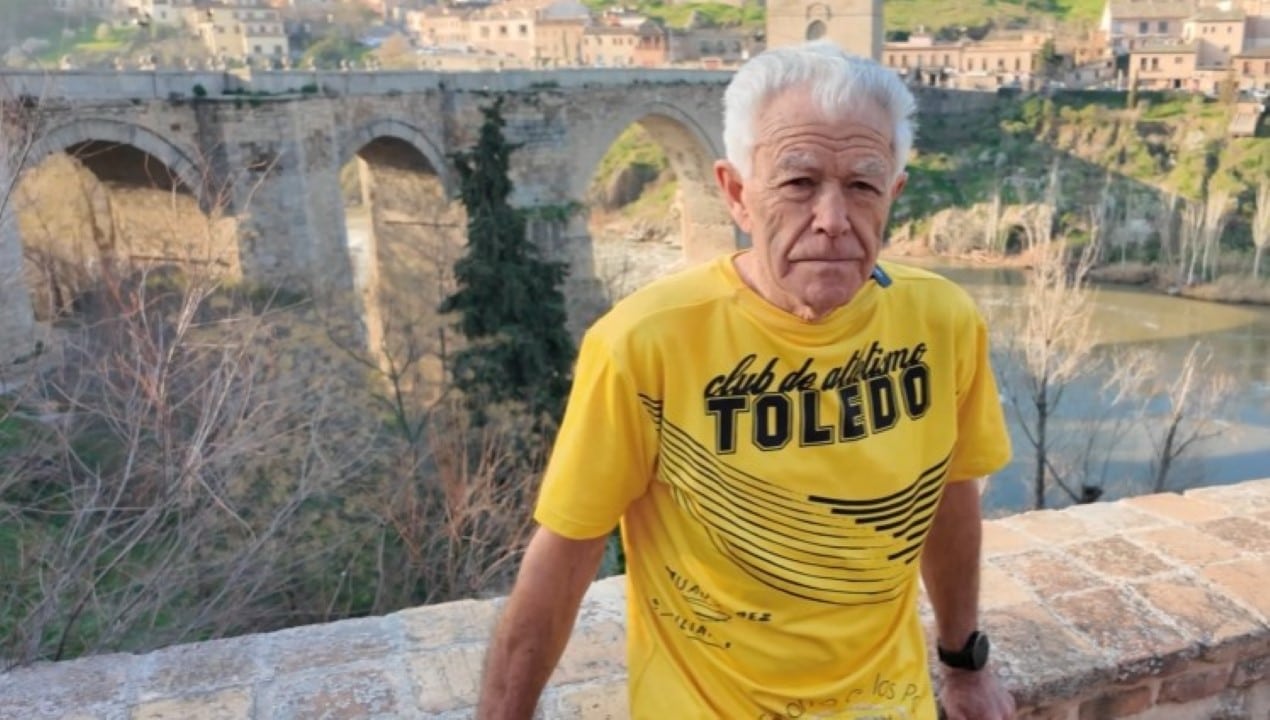
Spanish ultramarathon runner Juan López García, 82 years old, resident in Toledo, became the object of scientific attention when he presented the highest aerobic capacity ever recorded for an octogenarian. Exames carried out by Italian researchers and Universidade of Castilla-La Mancha estimated his biological age at around 20 years. The tests revealed high levels of oxygen transport and use, indicators that normally decline after the age of 50, but in his case increased after the age of 65, when he began intense training.
Juan started running after his retirement, at the age of 66. Inicialmente, competed in 800 meter races and quickly progressed to longer distances. Hoje, he holds records in ultramarathons in the octogenarian category, including 50 km and 100 km races. Sua routine demonstrates consistent dedication to physical activity, which contributes to maintaining exceptional performance.
Beginning of athletic practice after retirement
Juan López García adopted running as a way to spend his free time after leaving work. Ele has progressed from short distances to extreme challenges in just a few years. The athlete reports that the transition occurred gradually, with a focus on daily consistency.
The first workouts involved light running and walking. Over time, it incorporated larger volumes and official competitions. Essa evolution allowed him to achieve surprising results for his chronological age.
Aerobic capacity comparable to young people
The tests indicated that the maximum VO2 of Juan López García exceeds that of many sedentary young adults. Pesquisadores observed that their cardiovascular efficiency remains high, even after decades of life. Esse factor explains his ability to complete ultramarathons with competitive times in the category.
Studies show that aerobic capacity generally decreases with advancing age. However, his case demonstrates that consistent interventions can reverse or minimize this decline. Julián Alcázar, one of the researchers involved, emphasizes that regular exercise benefits elderly people significantly.
Training routine and complementary bodybuilding
Juan runs around 64 km per week in non-competition periods. Durante preparations for tests, the volume almost doubles. Seus training prioritizes long sessions at moderate intensity, which favors endurance without excessive overload.
It includes weight training once a week, always with guidance from a professional trainer. Esses exercises strengthen muscle groups and prevent common injuries in long-distance runners. The combination of cardio and strength maintains overall physical balance.
Diet based on the Mediterranean diet
Juan’s diet follows the Mediterranean pattern, with an emphasis on fruits, vegetables, fiber and foods rich in antioxidants. Ele avoid products that promote inflammation and prioritize balanced meals. Essa nutritional choice supports muscle recovery and overall health.
Regular consumption of olive oil, fish and nuts helps reduce cardiovascular risks. Juan maintains adequate hydration and monitors portion sizes to sustain the high energy expenditure of long runs.
Recommendations for those starting in old age
Juan advises beginners to start with brisk walks before running. The gradual progression avoids injuries and allows the body to adapt. Ele highlights the importance of consulting health professionals before starting any intense activity.
The athlete reinforces that consistency overcomes initial intensity. Muitos elderly people can obtain similar benefits with moderate dedication to exercise. Seu example motivates research on active aging.
Statements by the athlete himself about feeling old
Juan López García comments that he does not feel old compared to his grandparents in the same age group. Ele observes marked differences in vitality and appearance. The ultramarathoner attributes this to continuous sports practice.
He reports greater daily energy and quick recovery after efforts. Essas insights reinforce the scientific data about your conditioning. The case inspires studies on healthy longevity.
Impact of exercise on biological aging
Research confirms that prolonged aerobic activities improve markers of cellular aging. In the case of Juan, training started late increased physiological parameters. Isso suggests potential reversibility in age-associated declines.
Scientists analyze mechanisms such as more efficient mitochondria and reduced chronic inflammation. His example supports guidelines that recommend exercise for older adults. Estudos continue to understand limits and large-scale applications.



