
Blizzard hits Tomei and Hokuriku highways in Japan with closures scheduled between March 6th and 8th

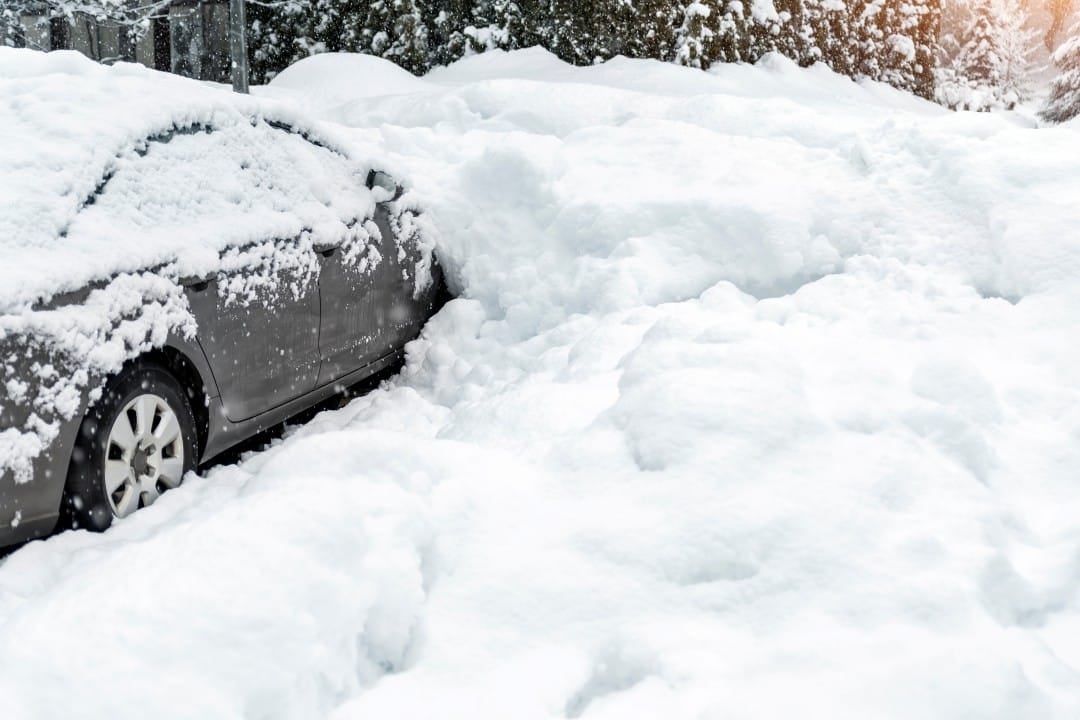
Concessionaire Central Nippon Expressway issued an official statement on March 5th detailing the forecast of severe snow expected to hit highways Tomei and Hokuriku in the coming days. Meteorological monitoring indicates that the weather phenomenon will begin to impact the road network between March 6th and 8th, requiring increased attention from drivers. Local authorities have established a contingency plan to manage the flow of vehicles and ensure safety in the highest areas susceptible to freezing on the road. The measure aims to prevent large-scale accidents and congestion during the critical snowfall period.
The impact schedule was structured based on the movement of cold air masses moving through the central region of Japão. According to operational planning, the most critical points were mapped to receive specific signage and runway cleaning teams.
- Installing tire chains is mandatory on mountain perimeters.
- Teams on standby will spread salt and antifreeze agents.
- Electronic panels will inform you in real time about reduced visibility.
- Heavy vehicles may have restricted circulation during peak snowfall times.
Rainfall is expected to begin in the early hours of March 6, gaining strength throughout the afternoon and lasting with varying intensity until the end of March 8. Central Nippon Expressway reinforces that travel planning must be reviewed by those who intend to use the affected roads.
Concessionaire operational planning for the critical period
The management of highways Tomei and Hokuriku will be intensified to mitigate the risks arising from the accumulation of ice on the asphalt. Profissionais technicians were moved to strategic bases along the roads to quickly respond to any obstructions or mechanical incidents caused by low temperatures. The main focus lies on maintaining fluidity in the main lanes, preventing the accumulation of snow from impeding the passage of emergency services.
Drivers are advised to check the mechanical conditions of their vehicles before starting their journey, especially the heating system and the condition of the tires. Horizontal signs can be covered by snow, which requires the safety distance between cars to be tripled in relation to traffic under normal conditions. Visibility can drop drastically in short intervals, making driving dangerous on downhill sections or sharp curves.
Constant monitoring and areas of greatest geographic risk
The mountain sections of the Rodovia Hokuriku are historically known for accumulating significant volumes of snow over short periods. Nesta specific cold front, the forecast indicates that the strong wind can create snowfall that reduces the driver’s spatial perception. The utility installed additional cameras to monitor the level of snow deposition in real time and decide on preventative closures.
The Rodovia Tomei, although at lower altitudes in certain points, also presents risks in its internal connections and viaducts. The phenomenon of black ice, which is a thin, invisible layer of ice, tends to form quickly on these metal and concrete structures. Equipes of inspection will circulate uninterruptedly to apply protective layers of chemical substances that delay the freezing of the asphalt surface.
Mandatory safety measures for vehicle drivers
The mandatory use of winter tires or chains will be strictly monitored at checkpoints established by the local highway police. Veículos who do not have the necessary safety equipment will be prevented from continuing their journey on sections marked as dangerous. Esta measure is essential to prevent cars from sliding and causing total blockages that would paralyze regional supply logistics.
In addition to the security infrastructure, it is recommended that users carry emergency kits containing blankets, flashlights and non-perishable food inside their cars. In the event of a complete stoppage of traffic due to weather, the waiting time for release may be prolonged, and vehicle heating must be used with caution to preserve fuel. Communication with the control center can be done via emergency telephones located on the road or official dealership applications.
Central Nippon Expressway has provided a portal with constant updates that must be consulted before any trip. The information is updated hourly, allowing private transport companies and drivers to find alternative routes if blockages are confirmed. The use of GPS technology integrated into traffic systems is highly recommended to avoid vehicle saturation areas.
Expected impacts on logistics and commercial flow
Freight transport between provinces connected by highways Tomei and Hokuriku is expected to experience considerable delays during the 72-hour alert period. Empresas of logistics have already been notified about the possibility of intermittent interruptions to clean the roads, which directly affects the fulfillment of delivery deadlines. The authorities’ priority is to maintain minimum flow for essential goods, while tourist traffic is discouraged.
The ripple effect of a blockage in these road arteries affects local commerce and the distribution of industrial inputs. As these are vital connection routes on the Japão, any prolonged closure requires a complex reorganization of the fleets traveling around the country. Operators of rest yards and service areas have also been instructed to stockpile supplies to assist potential travelers stranded by snow.
Procedures in case of severe weather emergency
If the intensity of the snow exceeds operational safety limits, the total closure of specific sections will be implemented without prior notice. Este safety protocol aims to protect drivers’ lives and allow heavy snow removal machines to work without obstacles in the way. The reopening only occurs after technical validation of the track’s grip and improved visibility for users.
If a driver becomes stuck in a snowbank, the recommendation is to remain inside the vehicle and activate the warning lights immediately. Tentar Removing snow manually in strong winds can lead to exhaustion and hypothermia, and it is preferable to wait for the specialized rescue team that covers the roads. Solidarity between drivers is encouraged, but official guidance prevails to ensure assistance reaches the points of greatest need first.
Maintenance of technological and communication infrastructure
The traffic management system uses temperature sensors integrated into the asphalt to predict the dew point and imminent freezing. Esses data is processed in a climate intelligence center that coordinates the departure of salt and sand trucks. The automation of these processes allows for a faster response than in previous decades, reducing the total time highways are closed.
Communication with the public will be carried out through dedicated radio frequency and digital transmissions via the internet. Transparency in the data provided by Central Nippon Expressway seeks to prevent drivers from venturing into sections that are already saturated with snow. The history of climate events in the region serves as a basis for the annual improvement of these natural disaster response plans.
Final guidelines for the period of heavy snowfall
The phenomenon predicted for the 6th to 8th of March is treated strictly by the authorities due to the history of late snowfalls that surprise travelers. The seasonal transition often brings storms of wet snow, which is heavier and prone to toppling trees or structures near roads. Surveillance will be maintained until the last alert is withdrawn by the country’s official meteorological institutes.
The importance of following all instructions given by traffic agents in the field is reiterated, even if they result in longer journeys. Collective safety depends on individual adherence to specific traffic rules for the harsh Japanese winter. Após On March 8th, a general assessment will be carried out to repair possible damage caused to the pavement by thermal variation and the use of chains.
Maintenance crews will continue to be on alert even after snowfall subsides, as melting ice could cause landslides on slopes adjacent to highways. The stability of the terrain is monitored by the concessionaire’s geologists and engineers to ensure that the resumption of traffic occurs in a completely safe environment. Central Nippon Expressway’s commitment is to restore operational normality in the shortest possible time, always prioritizing the physical integrity of all users.




