
How to join the Indian Merchant Navy what training is required and attractive salaries

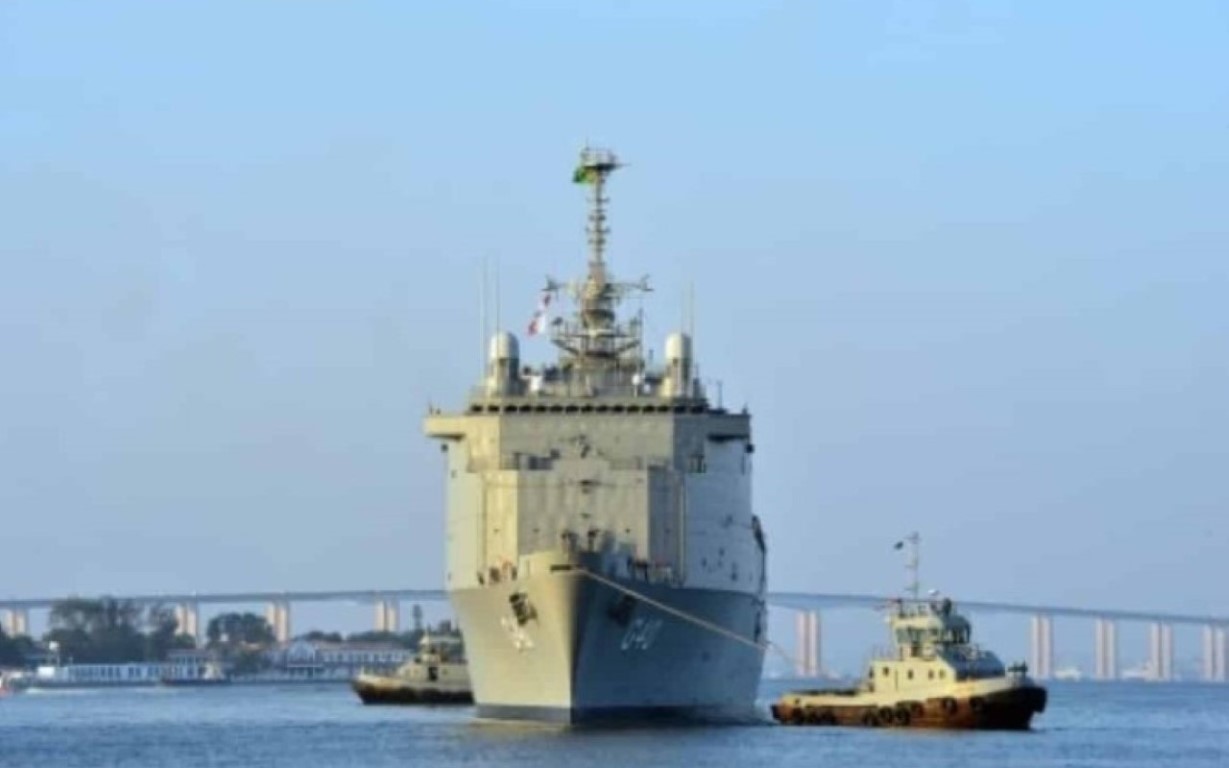
Marinha Mercante represents one of the most promising careers for young Indians interested in navigation and marine engineering. Esse sector moves global trade through commercial ships that transport cargo between continents. Na Índia, the country has 12 large ports and around 200 smaller ports that handle significant volumes of goods daily. India’s share of the world’s total number of merchant seamen reaches 7%. The government has set a target of generating over 1.5 crore jobs in the maritime sector by 2047.
The profession offers high salaries from the beginning of your career, as well as opportunities to visit different countries. Muitos young people choose it due to the possibility of taking on significant responsibilities at an early age. However, the job requires adapting to long periods away from family and strict discipline on board.
The commercial maritime sector completely differs from the Indian Marinha. Enquanto to Merchant Navy focuses on transporting cargo for profit, Marinha Militar prioritizes national defense. Merchant Navy operates privately and suffers from profits or losses from operations. Já to Marinha of Guerra follows a government structure and involves specific training in Academia Nacional of
Difference between departments at Marinha Mercante
The structure of Marinha Mercante is divided into main departments to ensure the safe operation of ships.
The Departamento of Navegação, known as Deck Department, takes care of the safe route and sea conditions. Profissionais enter through diploma or degree in Ciências Náuticas. Cargos include deck cadet, third officer, second officer and captain.
The Departamento of Máquinas, or Engine Department, is responsible for the engines and technical equipment. Entry occurs via graduation in Engenharia Marítima or specific diploma. Posições progress from junior engineer to chief engineer.
Entry requirements and eligibility
Candidates need at least 60% in physics, chemistry and mathematics in high school, in addition to 50% in English. Vision should be 6/6 without correction. Quem did not attend high school with these subjects can opt for equivalence via National Institute of Open Schooling.
The minimum age is 17 years old and the maximum age is 25 years old for most courses. Instituições approved by Directorate General of Shipping supervise the training.
Available courses and educational institutions
Various training options exist for different departments at Marinha Mercante.
Diploma in Ciências Náuticas lasts one year after high school and prepares for Deck Department. Graduation in Ciências Náuticas lasts three years. Já graduation in Engenharia Marítima requires four years and focuses on Engine Department.
Courses such as Graduate Marine Engineering allow entry to those who already have a degree in mechanical engineering. The Electro-Technical Officer course requires training in electrical or electronics followed by specialized training.
Institutions and selection process at Índia
Indian Maritime University serves as the main centralized institution with campuses in several cities. Ela takes the IMU-CET exam annually for admission to undergraduate courses. Centenas of private institutes also offer programs approved by DG Shipping.
Annual fees vary around 2.25 to 2.5 lakh rupees at IMU campuses. Outras renowned academies include institutions in Chennai, Pune, and Kochi.
Salaries and professional growth prospects
Entry-level cadets receive around 30,000 rupees per month. Após complete training and certification, officers earn between 45 thousand and 90 thousand rupees per month.
At higher levels, such as captain or chief engineer, pay can reach 8 to 15 lakh rupees per month. Valores vary depending on the type of ship and accumulated experience. Navios oil tankers offer higher payments than regular freighters.
Challenges faced by professionals
Professionals spend long periods, often six months, on the high seas. Essa routine generates isolation and constant mental pressure. Strict discipline requires full physical and mental presence throughout the trip.
Despite the difficulties, the sector has low competition compared to other areas. Cerca out of 40 thousand candidates participated in IMU-CET recently. The growth in global trade indicates expansion in the coming years.
Who is best suited to the career
The profession attracts individuals with an affinity for technology, machines and navigation. Capacidade Working in disciplined environments and maintaining physical and mental fitness is essential.
Those looking for international travel and cultural exposure will find this career a unique opportunity. The passion for maritime challenges overcomes the demands of prolonged family separation.
Expected growth in the maritime sector
The Indian government projects significant expansion in the sector by 2047. The jobs target reflects the increase in international trade and demand for qualified professionals.
Marinha Mercante continues to be a viable option for young people who want a technical career with competitive pay and global mobility.



