
Netflix leadership denies interest in Warner and reinforces share repurchase and free cash strategy


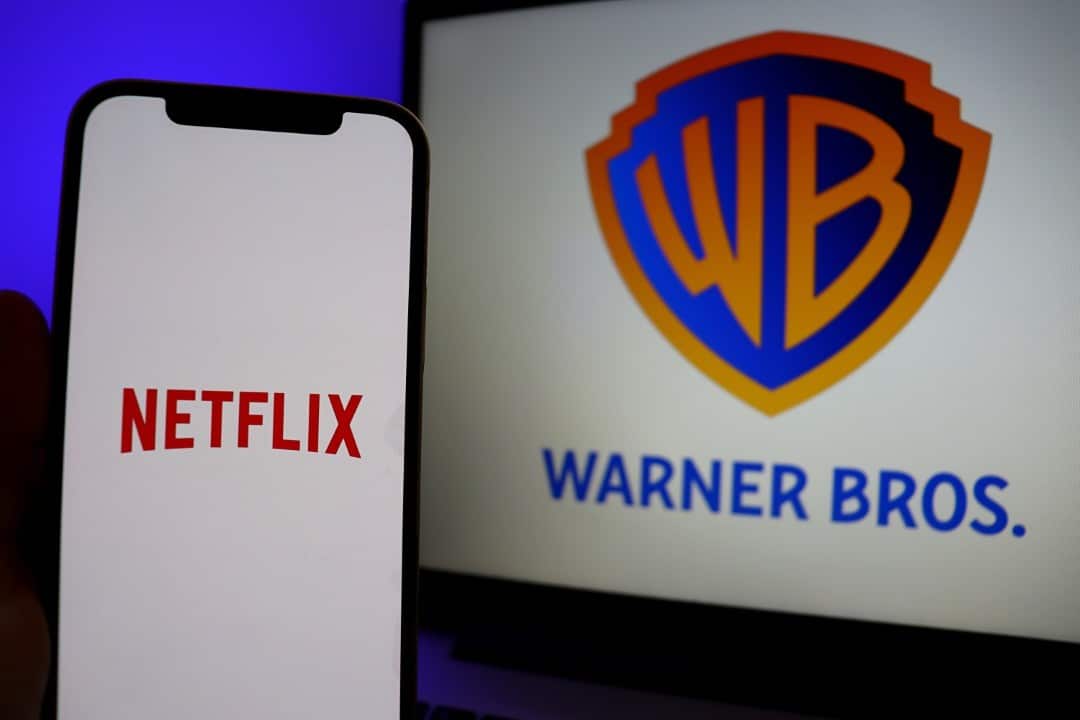
The executive board of the main global streaming platform has officially ended speculation about a possible merger with Warner Bros. Discovery, choosing to preserve its corporate and financial autonomy. The strategic decision aims to shield the company’s balance sheet against the debt and operational complexity typical of traditional media assets, redirecting the focus to internal strengthening and direct appreciation for its shareholders.
This stance of refusal also extends to negotiations involving the new entity formed by the union between Paramount Global and Skydance. By avoiding the acquisition of cable television networks and legacy studios, the company signals to the market that it has no intention of diluting its profit margins with businesses that face a structural audience decline, preferring to bet on the agility and scalability of its purely digital business model.
Shareholder appreciation and capital management
With a liquidity and free cash flow projection estimated at approximately 28 billion dollars, management reaffirmed that the most efficient capital allocation in the current scenario is the financial return to investors. The company will intensify its share buyback program, a maneuver that historically increases the value of shares in circulation and demonstrates robust confidence in the revenue generation capacity of the operation itself, eliminating the need for external mergers considered risky.
Market analysts estimate that the integration of large media conglomerates would require years of complex restructuring, which would divert attention from technological innovation and user experience. By keeping cash concentrated in internal operations, the platform avoids excessive debt that has penalized direct competitors in the entertainment sector, ensuring a position of competitive advantage in a still uncertain global economic outlook.
Expanding into live events and new formats
To sustain its leadership position, the budget allocated to content creation and licensing was adjusted to surpass the 17 billion dollar mark. The content strategy is no longer restricted to just films and series, but encompasses an aggressive expansion into live broadcasts, major sporting events and the development of the electronic gaming sector, areas seen as vital for engaging new generations of consumers.
Entry into segments such as the broadcast of fights and sports championships aims to create events that bring together massive audiences in real time, significantly increasing the platform’s attractiveness for advertisers. The advertising model, which has gained relevance in the company’s revenue, directly benefits from this diversification, allowing brands to reach consumers at moments of peak attention, something that traditional on-demand content cannot always provide with the same effectiveness.
Revenue Outlook and Market Approval
The financial community of Wall Street reacted positively to the discipline demonstrated by management, interpreting the refusal of large acquisitions as a sign of corporate maturity. The company’s revenue is expected to exceed $40 billion, driven by continued growth in its global subscriber base and effective monetization of password sharing and ad-supported plans.
As rivals struggle to balance linear TV channel bills with the high costs of streaming, the decision to remain focused exclusively on the digital environment allows for a smarter, more targeted allocation of resources. The central bet is that recommendation technology and user interface remain the main differentiators, keeping the company ahead in the fight for consumer attention without carrying the weight of assets from the last century.



