
Pixel 10a maintains conservative hardware and faces pressure from competitors with high-capacity batteries

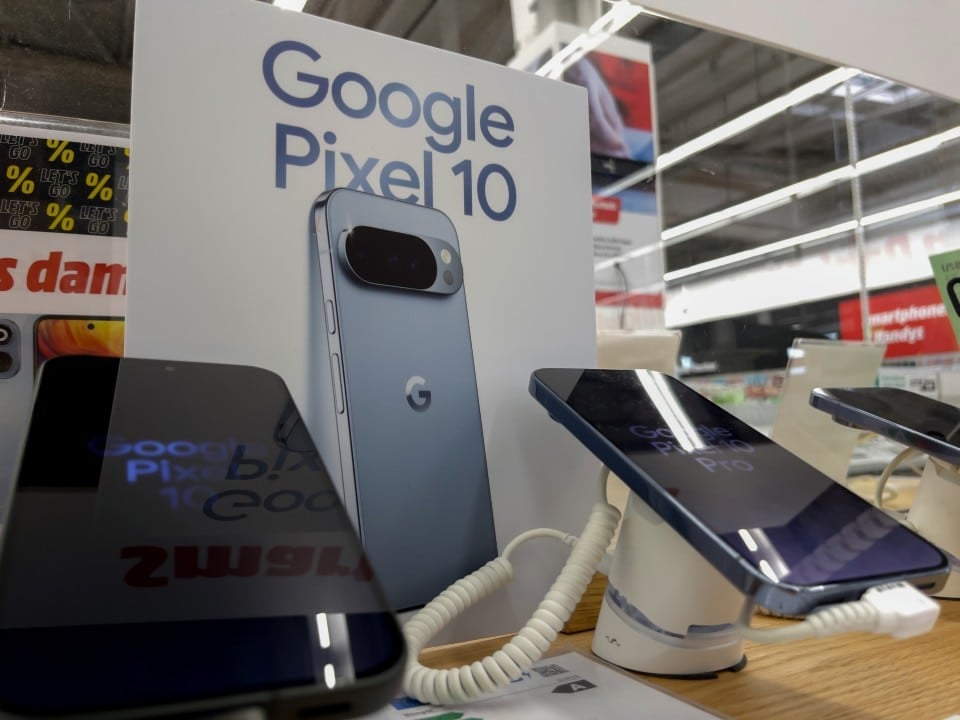
The mid-range smartphone segment is going through a period of intense transformation, driven by manufacturers who have decided to raise the technical standard of their most affordable devices. The Google, however, appears to follow a different path with the development of the Pixel 10a, maintaining a strategy focused on cost control and component reuse. Enquanto the company seeks to maintain the suggested price of 499 dollars, the market observes a growing gap between the conservative technical specifications of the device and the hardware innovations presented by rival Asian brands.
The tech giant’s strategy for the new model relies heavily on software optimization and artificial intelligence capabilities at the expense of robust physical upgrades. The device must inherit the set of cameras and battery technology from the previous model, the Pixel 9a, signaling a stagnation in physical hardware. Processing will be carried out by the Tensor G4 chip, which, although competent for daily tasks and AI functions, no longer represents the top of the line in terms of raw power when compared to semiconductors used by direct competition.

Challenge imposed by the autonomy and power of rivals
Competition in the industry has become aggressive with the launch of devices like the OnePlus 15R, which redefine autonomy expectations for the modern consumer. Este direct competitor arrives on the market boasting an impressive 7,400 mAh battery, combined with 80 W fast charging.
In addition to autonomy, raw performance is another imbalance factor. Enquanto o Pixel 10a bets on the efficiency of the Tensor G4, competitors from Motorola and OnePlus already integrate the Snapdragon 8 The Motorola, specifically in its Signature line, has managed to combine this processing power with an ultra-slim design of just 6.99 mm and advanced IP69 protection against water and dust, offering a package that combines aesthetics, durability and high performance, something that the Google’s recycled design may have difficulty coping with.
Software support and device longevity
The Samsung maintains its prominent position with the Galaxy S25 FE, which focuses on longevity as its main selling point. The South Korean device promises seven years of operating system and security updates, matching the best support policies on the market. Equipado with the Exynos 2400 chip and running the One UI 8 interface based on the Android 16, the Samsung model offers a solid value proposition for those looking for a lasting investment, putting pressure on the
The current scenario indicates that the exclusive dependence on software tricks and image processing via AI may not be enough to guarantee Google’s leadership in this segment. With 1.5K AMOLED screens and refresh rates of 165Hz becoming common among opponents, consumers now find options that deliver a superior visual and usage experience for the same financial investment. The success of the Pixel 10a will therefore depend on the brand’s ability to convince the public that the integration of its ecosystem is worth more than the superior technical specifications offered by the rest of the industry.



