
Qualifying training in Melbourne defines the first grid of the new era of Formula 1 with live broadcast

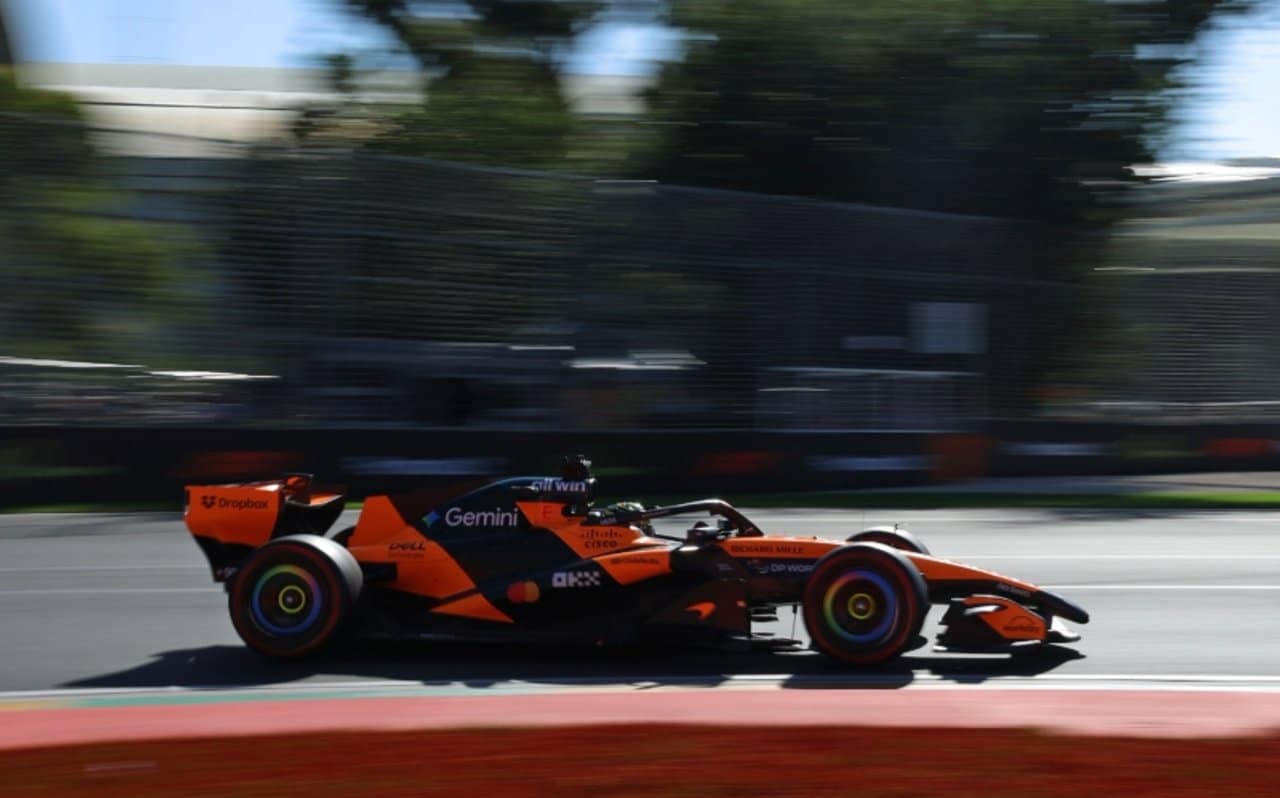
The world motorsport season officially begins this weekend with the definition of the starting positions in the Circuito of Albert Park. The event marks the beginning of an unprecedented technical cycle in the category, introducing regulations that change the aerodynamics and engines of the cars. The teams arrive at Austrália without a clear hierarchy, making Saturday’s session a crucial moment to understand who best interpreted the new rules.
The Melbourne route, known for its semi-urban nature and high-speed zones, will be the stage where veterans and newcomers will test the limits of the renewed machines. Global expectations revolve around drivers adapting to the new power units, which now require much more strategic energy management during fast laps.
For Brazilian fans, the schedule requires attention to the time zone, as activities take place during the early hours of the morning. The organization of the event maintained the traditional schedule to favor the local and European public, which requires planning from spectators at América of Sul to follow every detail live.
Schedule and where to watch the sessions
The definition of the starting grid is scheduled for the early hours of Saturday, requiring fans to be connected from 2 am (Brasília time). The exclusive transmission of this stage will be carried out by the subscription channel sportv3, which will cover all phases of training, from Q1 to the final dispute for pole position in Q3.
For the main race, which takes place in the early hours of Sunday with a scheduled start at 1am, coverage will be expanded. TV Abaixo, the main highlights of the agenda:
– Classificação: Sábado, at 2am, broadcast on sportv3.
– Corrida: Domingo, start at 1am, broadcast on TV Globo and sportv3.
– Cobertura digital: Acompanhamento minute by minute on ge.globo.
Premieres and changes in the pilot market
This year’s grid presents a radically different configuration from previous seasons, with movements that shook up behind the scenes. The absolute highlight is the debut of Lewis Hamilton by Ferrari, a historic partnership that attempts to break the Italian team’s title drought. The Briton will have the mission of overcoming Charles Leclerc and the pressure of driving the red car at a time of technical restructuring.
Another big news is the official entry of Audi as a factory team, bringing the Brazilian Gabriel Bortoleto into the spotlight. The young driver will make his debut in the top category alongside the experienced Nico Hulkenberg, carrying the responsibility of developing the German manufacturer’s project in its first year. Na Mercedes, the bet is on the youth of Andrea Kimi Antonelli, who takes the cockpit to form a pair with George Russell.
McLaren, who won the last edition of this race with Lando Norris, seeks to maintain the momentum and confirm the favoritism suggested at the end of the last championship. The English team is betting on the continuity and talent of Oscar Piastri, who races at home and has massive support from the stands to seek a place on the front row.
Challenges of the new technical regulation
The changes implemented by the international federation aim to increase sustainability and competitiveness on the track. The 2026 cars use 100% sustainable fuels and have simplified electrical systems, without the MGU-H component, focusing on immediate torque. Essa technical change directly impacts the way drivers attack the curbs and get around the medium-speed curves of Albert Park.
Engineers warn that reliability will be the biggest opponent this first weekend. With little pre-season testing time, teams like Red Bull and Aston Martin are still looking for the ideal setup to minimize tire degradation and maximize aerodynamic efficiency. Max Verstappen, defending his title, will need to deal with a car that behaves differently from the dominant models of previous years.
Safety has also been reinforced on the circuit, with new barriers and exhaust areas redesigned to accommodate the characteristics of the new chassis, which are slightly smaller and lighter. Precision in piloting will be essential, as any error in the narrow layout of Melbourne could result in early elimination or significant damage to components limited by regulation.





