
Tehran signals preparation for ground confrontation with American forces; new weapons revealed

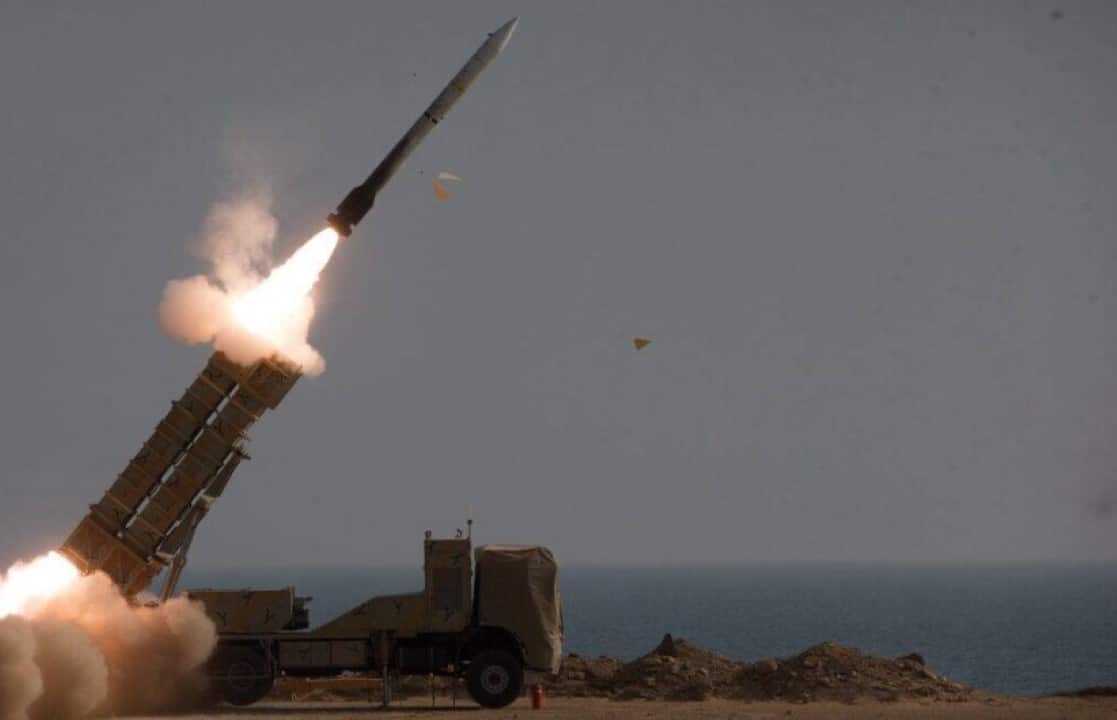
Tension in the geopolitical scenario of the Oriente Médio reached a new level this week, with the Irã openly declaring its readiness to face a possible ground invasion by the forces of the Estados Unidos, which generated deep global apprehension. The Iranian Minister of Relações Exteriores, Abbas Araghchi, made the statement to NBC, while Guarda Revolucionária Islâmica reinforced the country’s defense posture, promising a prolonged war and the introduction of new weapons never before seen in combat, including the initial firing of Khayber missiles against Tel Aviv. The conflict, which has already lasted seven days since its beginning in March 2026, is marked by the direct or indirect involvement of around 20 nations, underlining the severity and complexity of the crisis that is rapidly unfolding in the region.
The international community observes the military escalation with growing concern. The possibility of a direct confrontation on Iranian soil represents a significant risk to global stability, given the political and economic ramifications of a conflict of such magnitude and the potential for regional destabilization.
The Iranian statements come at a time of uncertainty, where analysts predict an intensification of American military operations, but the strategy for sending ground troops is not yet completely clear, although it is considered one of the options for overthrowing the leadership in Teerã and reconfiguring the Iranian political scenario.
Iranian readiness in the face of military escalation
Chancellor Abbas Araghchi emphasized Irã’s defiant stance, stating that the country is waiting for American troops, prepared to confront them in any scenario. The declaration, published on Thursday, March 5, 2026, signals a robust defense strategy and a calculation that a clash on the ground would be disastrous for the invading forces, given the geographical characteristics of Iranian territory and the vast military and civil mobilization that can be articulated for resistance.
Guarda Revolucionária Islâmica, in turn, complemented the message, highlighting Iran’s ability to sustain a long-term conflict, since its structure was reorganized with the replacement of commanders and the maintenance of the supreme leader in command. Este positioning reinforces the resilience of the country’s defense system, ensuring the continuity of the structure of power and military decision-making in an environment of prolonged war and intense external pressure.
New technologies and defense capabilities
The military capability of the Irã is in a continuous process of modernization and revealing new capabilities, as indicated by the Guarda Revolucionária Islâmica spokesperson, Brigadier General Ali Mohammad Naeini, in a recent statement. Ele announced that the country is preparing to introduce advanced weapons, previously not used on a large scale in battle scenarios, which could significantly change the dynamics of conflicts in the region, both in defensive and offensive terms. Naeini warned that Irã’s adversaries should anticipate “painful blows” in the next round of attacks, stressing that Irã’s “new initiatives and weapons are on the way” and that these technologies have not yet been deployed to their fullest. Essa technological update was dramatically exemplified with the firing of the first Khayber missile, a cutting-edge weapon, which targeted Tel Aviv, demonstrating a notable evolution in the country’s arsenal and ability to project force beyond its borders. The general also reiterated that the Irã is in a higher state of readiness than it had during the twelve-day war fought the previous year, in 2025, against the forces of the Estados Unidos and Israel, describing the current clash as a “sacred and legitimate war” that justifies all defensive measures undertaken by the regime.
International involvement and regional scenario
The intensification of the conflict in Irã, which has now reached its seventh day, has as one of its most alarming characteristics the direct or indirect involvement of approximately twenty countries in various capacities. Este complex scenario adds layers of uncertainty and unpredictability, transforming the crisis into a global security issue, where strategic alliances and geopolitical interests intersect dangerously, raising the risk of a major confrontation.
The participation of these nations can vary widely, ranging from logistical and diplomatic support to the provision of intelligence resources or, in more specific and delicate cases, the sending of smaller-scale military contingents or tactical support. Este range of involvement amplifies the risks of a regional spillover, further destabilizing Oriente Médio, an area already weakened by historical tensions and territorial, energy and ideological disputes. The presence of multiple external actors, each with their own agenda and strategy, makes any peaceful resolution an even greater challenge, requiring complex and difficult multilateral diplomacy. The Iranian response, by declaring itself ready for a prolonged war and the introduction of new weapons, is a show of force that seeks to deter adversaries and reaffirm its sovereignty in an environment of increasing international pressure.
Expert analysis of the American stance
Military and geopolitical analysts assess that the Estados Unidos may be on the verge of a significant intensification of their operations against the Irã in the coming days. Essa projection considers the history of American interventions in the region and the persistence of confrontational rhetoric on the part of Washington.
Although the final decision on whether to send ground troops for a large-scale invasion aimed at regime change in Teerã remains uncertain, the possibility has been widely debated in strategic circles, given the need for a definitive solution to the ongoing crisis. A ground operation would represent a substantial commitment of human and material resources, and would bring high risks, both military and political, with potential casualties and an unpredictable international reaction.
International observers point out that the choice of a military strategy can be influenced by a series of interconnected factors, including the development of the ongoing war, the Iranian military response capacity and the level of support or opposition from regional and international allies, carefully weighing the costs and benefits of each approach. The American administration seeks a balance between maximum pressure and containment of a conflict that could spread quickly, redefining alliances and power in global geopolitics.
Intervention of Trump in the succession of Teerã
The president of the Estados Unidos, Donald Trump, openly expressed his preference for a “good leader” for the Irã, in a recent interview with NBC. Suas statements indicate an unprecedented intention to become directly involved in the selection of the country’s next supreme leader, a stance that echoes his intervention in Venezuela earlier in the year, resulting in the removal of Nicolás Maduro from the presidency and the installation of a new government.
Trump argued that American participation in the process of selecting the future Iranian leader is essential to avoid a repetition of cycles of conflict and instability that have marked the region. Ele specifically seeks someone who “is great for the people, great for the country”, aiming to establish a period of harmony and lasting peace in the Persian nation, free from policies that, according to him, generate confrontations.
The Republican president explicitly rejected the succession of Mojtaba Khamenei, son of current leader Ali Khamenei, considering him “unacceptable” for American and regional interests. Ele classified Mojtaba as a “dead weight” and reiterated the need for his own active participation in the appointment, drawing a direct parallel with his experience and actions in relation to
Trump’s refusal to accept a new leader who would continue Khamenei’s current policies underscores his deep concern that such policies would lead the United States to return to war within five years, with devastating consequences. Essa position reveals a long-term strategy by the Estados Unidos to fundamentally redefine relations with the Irã and reconfigure the political landscape of the
Geopolitical challenges and future implications
The complex and volatile current scenario involving the Irã, with its declarations of readiness for ground war and the introduction of new high-tech weapons, together with the interventionist and audacious stance of the Estados Unidos in the succession of its maximum leadership, configures a picture of profound instability in global geopolitics. The evolution of this conflict will be decisive for the regional security of the Oriente Médio and for the balance of power between the great world powers in the coming years, with ramifications that could extend far beyond the region’s borders. How tensions are managed by all actors involved will dictate the course of peace or further escalation.



