
Trump administration uses war game aesthetics in official video against Iran and generates controversy online

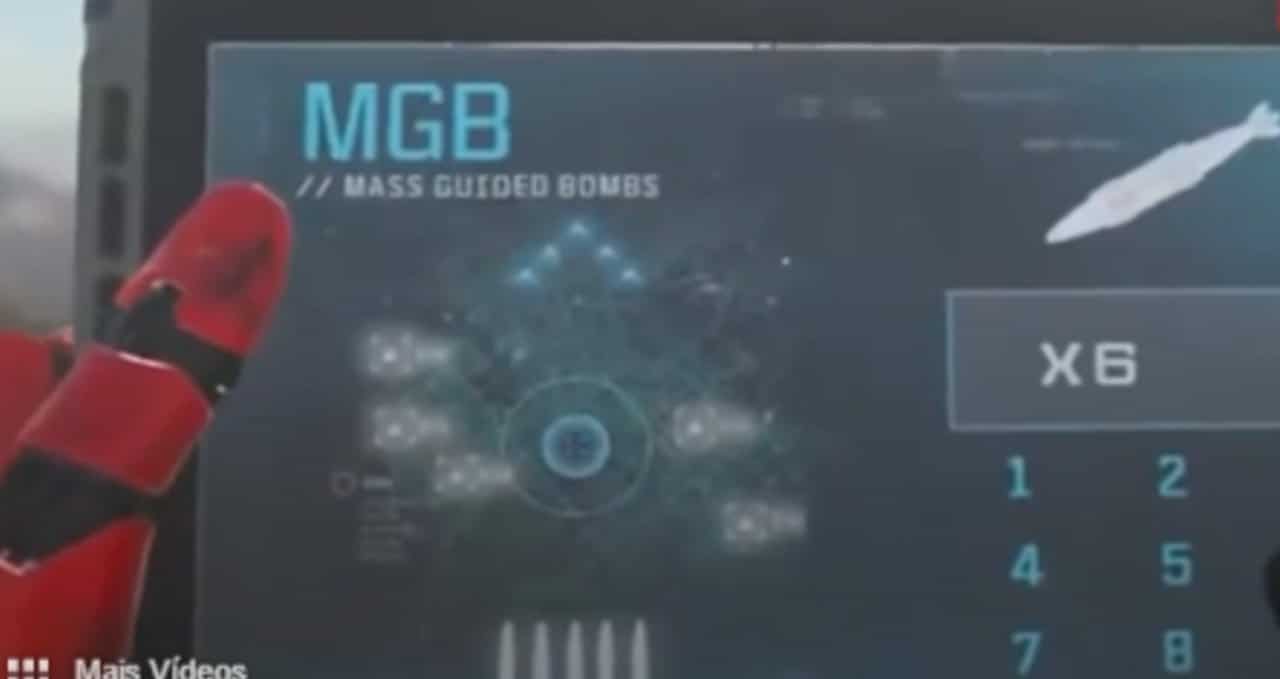
The diplomatic and military tension between Washington and Teerã gained an unprecedented chapter on digital platforms this week. The official profile of the North American presidency published a propaganda piece that merges records of real bombings with the visual interface of famous first-person shooter franchises. The publication, which has already surpassed the 40 million views mark, uses sound and graphic elements typical of electronic entertainment to portray ongoing military operations, provoking an intense debate about the conduct of the official narrative in times of conflict.
The material released by Casa Branca, entitled “Courtesy of the Red, White & Blue”, presents an agile and aggressive edition. The piece intersperses authentic images of US air strikes against Iranian infrastructure with graphic overlays that simulate a “gameplay” experience. The initiative takes place on the sixth day of a significant escalation in hostilities involving the Estados Unidos, Israel and República Islâmica, marking a new digital engagement strategy by the Trump government.
Fusion between military reality and entertainment
The visual construction of the video was designed to emulate the user experience in popular tactical combat games. The opening sequence shows a soldier operating an attack via tablet, a common scene in virtual missions, but which here serves as a prelude to real explosions. The most commented aspect by analysts and internet users was the insertion of floating scores on the screen, such as the indicator “+100”, which appears every time a real target is destroyed in the video.
In addition to the graphic elements, sound plays a central role in the editing. Fictional Áudios with commanding phrases such as “We are winning this war” and “We have taken control” were superimposed over images of destruction. Essa editorial choice generated immediate questions about the trivialization of violence and the transformation of complex military operations, which involve human and geopolitical risks, into a quick consumer product aimed at social networks.
Political communication experts point out that the objective seems to be to connect with a younger audience, accustomed to the language of video games. However, the mix of entertainment with such serious state actions set precedents for criticism about the dehumanization of the conflict and the adequacy of the North American diplomatic stance.
Official positioning and online reactions
The repercussion of the post was immediate and polarizing. Enquanto administration supporters celebrated the show of force and the modernity of communication, critics classified the video as insensitive and dystopian. The response from the Casa Branca communications team reinforced the line adopted in the video. Steven Cheung, communications director, responded to questions from journalists using slang from the gaming universe, such as “W’s in the chat, boys”, a reference to celebrating victories in online games.
This stance indicates a calculated decision to “gamify” the war narrative, seeking engagement through controversy and aesthetic familiarity. The North American government’s digital strategy seems willing to break with the traditional sobriety of war communications, betting on virality and the native language of the internet to mobilize its support base, even at the risk of further inflaming international relations.
Diplomatic and ethical impact
The use of platforms like X to disseminate military installations changes the dynamics of public diplomacy. By reducing air strikes to video game scores, the Estados Unidos government sends a message of technological superiority and emotional detachment that can be interpreted as direct provocation by adversaries. Organismos international organizations are cautiously observing this change in tone, which could complicate future de-escalation efforts in the region.
The ethical discussion extends beyond politics, touching on the responsibility of institutions when portraying violence. The normalization of edited images of war as entertainment raises concerns about how civil society perceives and processes the reality of armed conflict in the 21st century.



