
Developer confirms global launch times for Slay the Spire 2 in early access

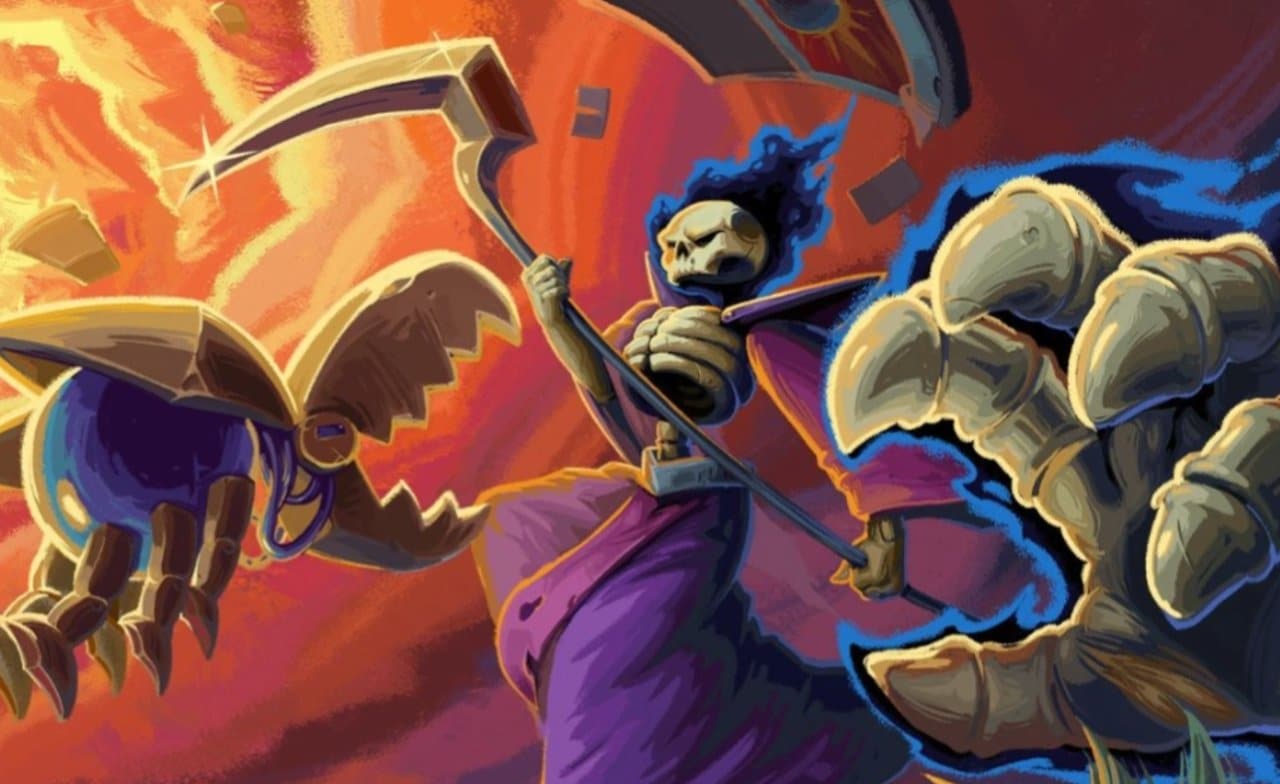
Mega Crit Games has activated early access for Slay the The developer confirmed global availability starting at 10am Pacífico Estados Unidos time, equivalent to 6pm UTC.
The title already records impressive numbers on the platform, with a peak of more than 526 thousand simultaneous players and ratings above 97% positive in thousands of reviews. Desenvolvido over five years, the game abandons the Unity engine in favor of the Godot to support visual improvements and multiplayer.
Players access initial content featuring five playable characters, including returning characters Ironclad, Silent, and Defect, as well as new Necrobinder and Regent. Cada ascent through Spire offers unique challenges, with cards, relics and potions that change strategies with each attempt.
The structure divides acts into distinct zones, with varied enemies and specific bosses to enrich the runs. Co-op mode for up to four people introduces exclusive cards and team synergies, expanding tactical possibilities.
Worldwide activation times
The servers opened synchronously, prioritizing accessibility on different continents. Mega Crit provided an official table with accurate conversions to avoid regional confusion.
- US Pacific (Los Angeles): 10am, March 5.
- Eastern US (New York): 1pm, March 5th.
- Brasília (BRT): 3pm, March 5th.
- London (GMT): 6pm, March 5th.
- Berlin (CET): 7pm, March 5th.
- Tokyo (JST): 3am, March 6.
- Sydney (AEDT): 5am, March 6.
These times reflect a commitment to global gaming without time zone barriers. Milhares of users reported successful sign-ins shortly after opening.
Characters and playstyles
Ironclad returns with a focus on direct attacks and robust blocks, maintaining the aggressive essence of the original. Silent prioritizes poisons and quick discards, while Defect balances orbs for sustained damage and defenses.
Necrobinder introduces summonable skeleton mechanics, allowing summons that evolve with the deck. Regent brings elite control with sarcastic voice lines and turn manipulation skills.
Each hero has a unique starting deck and unlockable secrets after multiple runs. Jogadores test combinations to optimize ascensions, with relics that modify interactions between cards.
Diversity ensures infinite replayability, as runs intentionally fail to unlock more options. Comunidade shares early builds on dedicated forums.
Explosive initial reception
Slay the Spire 2 reached 526 thousand simultaneous players in less than 48 hours, surpassing roguelike records in Steam. Avaliações total more than 17 thousand, with 97% positive highlighting strategic depth.
Quick hotfixes fixed boot crashes and reported bugs, showing responsiveness from the team. Pico occurred on Saturday night, with retention of over 300 thousand active users.
Compared to the first game, the sequel triples the historical peaks of the genre. Ausência of microtransactions reinforces praise for the integrity of the model.
Initial sales estimated in millions drive multiplatform expansion plans after early access.
Transition to new engine
Mega Crit rewrote the code base from scratch, migrating to Godot for greater cross-platform stability. Essa change allows for improved visual effects without compromising performance on varied devices.
Developers prioritized compatibility with Steam Deck, verified as full since launch. Atualizações regulars will add acts, events, and enemies during the 1-2 years of early access.
The engine supports easy modding, with in-game tools for anonymous feedback. Equipe plans balances based on actual usage metrics.
Change avoided limitations of Unity, paving the way for future console versions.
The technical decision guarantees longevity, with weekly patches already in place to refine core mechanics.
Featured co-op mode
Four-player co-op turns solo runs into collective experiences, with specific cards for group synergies. Equipes combines the strengths of different heroes, such as poisons from Silent with summons from Necrobinder.
Challenges scale with number of participants, requiring coordination across shared events. Modo online uses dedicated servers for global minimum latency.
Players load up with allies or vice versa, with leaderboards tracking winning streaks. Multiplayer adds team relics that activate under collective conditions.
Initial tests show popularity, with extended sessions among friends. Desenvolvedores promise expansions in different ways throughout early access.
This innovation sets the sequel apart, attracting audiences beyond hardcore single-player fans. Partidas cooperatives unlock exclusive dialogue between characters.
Accessible System Requirements
Minimums include a 2.0 GHz dual-core processor, 4 GB RAM and a card with 1 GB VRAM compatible with DirectX 12 or Vulkan. Armazenamento occupies just 4 GB, facilitating quick installation.
Recommended upgrades to quad-core 3.0 GHz and 8 GB RAM, supporting high resolutions without drops. Versões for macOS and Linux maintain parity, supporting Apple Silicon.
Compatibility with Xbox and DualSense controls ensures comfortable gameplay in varied setups. Steam Cloud synchronizes progress between devices.
These specs democratize access, allowing execution on current mid-range hardware.
Expansion planned in early access
Roadmap includes addition of cards, events, and environments over the next few months. Balanceamentos will come based on data from millions of rums collected.
End of early access will bring true ending, extra modes and support for more languages. Preço will increase in proportion to the finished content.
Community influences via Discord and in-game reporting tool. Fanarts and memes inspire themed updates.
Initial success validates the approach, with plans for PS5 after leaving early access.
Players watch weekly changelogs for updates. Estrutura modular speeds up implementations.
Advanced deckbuilding
Rare relics change fundamentals, such as duplicating cards or ignoring energy costs. Poções offer temporary boosts, integrating with long-term strategies.
Each act zone features themed pools of rewards, forcing constant adaptations. Chefes require specific counters, rewarding accumulated knowledge.
Branching event system creates emergent narratives per run. Desbloqueios persistence encourages experimentation without punishing failure.
Tactical depth rivals the original, but with extra multiplayer layers.
Decks grow organically, balancing power and inherent vulnerabilities.



