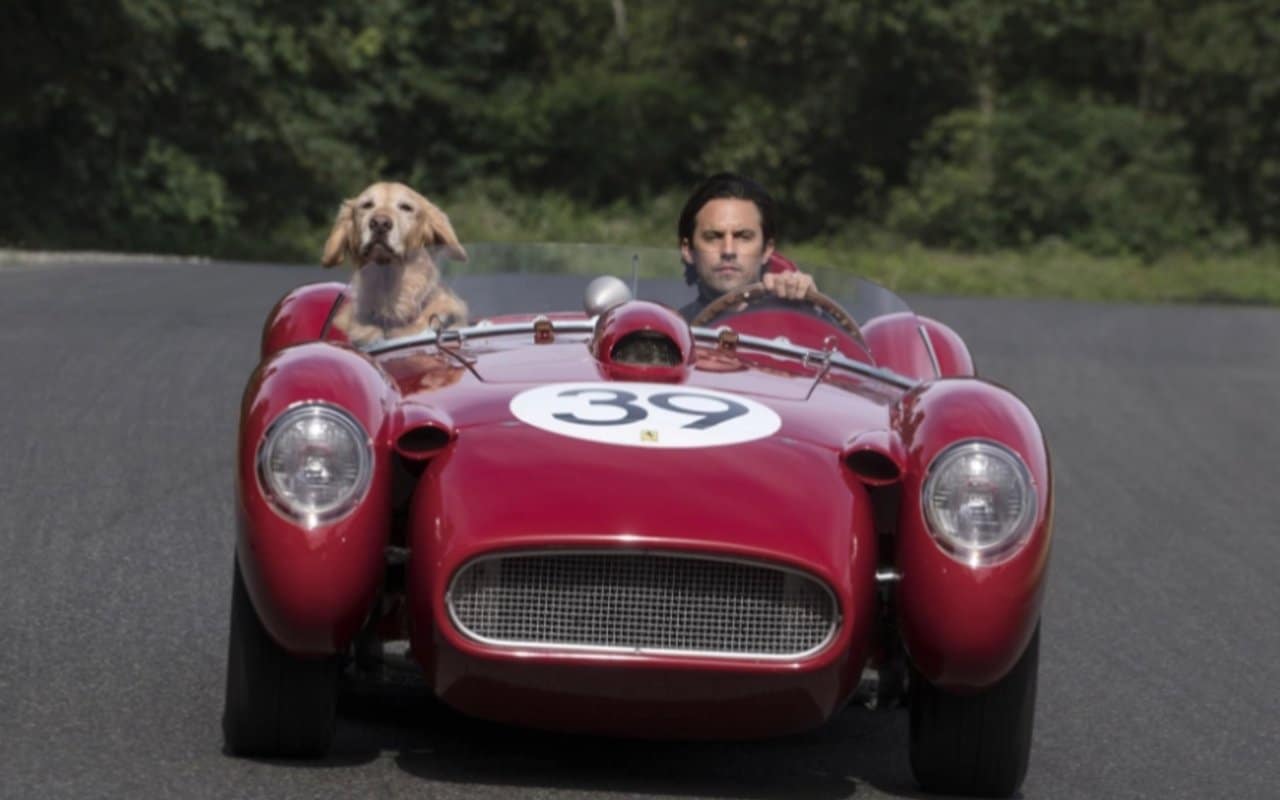
The film production that follows the life of a racing driver through the perspective of his dog brings deep connections with the history of Brazilian motorsport. The feature film builds the identity of its human protagonist based on the skills and track philosophy of one of the greatest world champions in the main category of motor sport. The narrative explores the challenges of a career on the track and the parallels with everyday adversities, using the figure of the three-time world champion as a technical and mental reference for overcoming unforeseen obstacles.
Relationship between fiction and the reality of the tracks
The script follows the trajectory of Denny Swift, a track professional who seeks to rise in the tourism and single-seater categories. Durante character development, the creators sought real elements to substantiate the genius required to drive in adverse weather conditions. The choice fell on techniques documented during the eighties and nineties.
The family pet, named after the founder of a traditional Italian team, acts as the story’s narrator. Através From his daily observation, the viewer understands the piloting tactics employed by the owner. The technique of maintaining vehicle control on wet surfaces becomes the central point of the plot.
Driving techniques on wet asphalt
The ability to maintain the car’s stability in heavy rain is portrayed as a crucial competitive advantage in the plot. The protagonist exhaustively studies videos of historic races to improve his reflexes. The main focus of these analyzes is the ability to anticipate loss of grip before it actually occurs.
Motorsport experts point out that driving on wet roads requires unique sensitivity when controlling the accelerator and brake. Fiction reproduces this technical requirement by showing the main character’s practical training. The grip compromised by the water forces the driver to look for alternative trajectories outside the conventional racing route.
O filme demonstra que a chuva atua como um elemento equalizador de equipamentos no esporte a motor. Quando a potência do motor perde relevância devido à falta de tração, o talento individual do condutor sobressai. Essa dinâmica é explorada tanto nas cenas de ação nas pistas quanto nas metáforas sobre a imprevisibilidade da vida.
Historical records that support the narrative
To guarantee the authenticity of the racing scenes, the production incorporated direct references to races that marked the history of Fórmula 1. The Grande Prêmio of Portugal in 1985, held on the Estoril circuit, serves as one of the pillars for building the protagonist’s technique. On Naquela occasion, a victory in a storm established new parameters for riding in the wet.
Another event widely referenced in the construction of the character’s identity is the Grande Prêmio of Europa in 1993, held on the Donington Park circuit, at Inglaterra. The first lap of this race is often used in driving academies as the definitive example of quickly adapting to low grip conditions. The fictional character seeks to replicate exactly this clue-reading ability.
The reproduction of these maneuvers in the cinema required the work of specialized stunt coordinators at high speed. Camera angles were positioned to simulate the view inside the helmet during loss of control and hydroplaning. The technical precision of the steering wheel movements was choreographed to mirror the official recordings of television broadcasts from those decades.
Using telemetry and real historical data helped the visual effects team recreate the behavior of the water dissipated by the tires. The physics of the vehicle’s mass displacement in wet corners were calculated based on the chassis of the time. Todo this technical rigor aimed to pay homage to the golden era of the sport and give credibility to the character’s victories.
The philosophy of sport applied to everyday life
The central premise of the feature film establishes that the rules necessary to win a race are the same as those required to navigate personal difficulties. The protagonist often repeats that there is no merit in succeeding only when conditions are perfect. The true measure of a professional, according to the narrative, is revealed when external factors get out of control and require immediate adaptation. Essa line of thought is directly taken from interviews given by sports idols during the world championships at the end of the twentieth century, where mental preparation was placed on the same level as mechanical preparation.
The canine narrator absorbs this philosophy and applies it to observing human behavior around him. The patience to wait for the right moment to overtake an opponent on the track is compared to the resilience needed to deal with family losses and legal disputes. The state of mindfulness, described in sport as the ability to focus only on the present moment without suffering from the previous curve or fearing the next straight line, becomes the family’s survival guide. The transposition of this mental model from the garages to the living room creates the dramatic basis of the script.
Narrative perspective and character development
The decision to use an animal as the driver of the story offers an impartial filter on the pressures of high-performance professional sport. Sem understanding the complexities of sponsorship contracts or the behind-the-scenes intrigues of the teams, the narrator focuses exclusively on the purity of the act of driving and the emotional reactions of its owner. The pilot’s body language, the tension in his muscles before a start and the physical exhaustion after hours in a hot cockpit are described in exquisite sensory detail. The dog perceives the race track not as a hostile environment, but as the only place where the protagonist has total control over his destiny, contrasting with the vulnerability faced in the domestic environment. The animal’s loyalty reflects the rigorous discipline that the sport demands, creating a symmetry between canine training and the routine of an elite athlete. Essa approach removes excessive focus on machines and directs public attention to the psychological endurance necessary to remain competitive in long-term championships.
Reception in specialized media
The precision with which the technical elements were integrated into the family drama generated positive reviews from critics specializing in motorsport. The work managed to balance entertainment aimed at the general public with respect for the mechanical and historical details required by enthusiasts. The representation of rain not only as an obstacle, but as a strategic opportunity for victory, consolidated the production as a valid reference within the subgenre of films about automobile competitions.
Behind the scenes of literary production and adaptation
The audiovisual project originated from a literary work that already deeply explored the minutiae of competitive motorsport. Producers worked closely with technical consultants to ensure the transition from page to screen remained true to track safety protocols. The choice of locations prioritized real racetracks rather than scenarios created entirely by computer graphics.
The capture of the sound of the engines and the actual wear of the tires on the asphalt were recorded during practical sessions exclusive to the film. The sound team’s objective was to make the spectator feel the acoustic difference between accelerating on a dry straight and trying to keep the engine revving in a flooded corner. The sound result complements the visual tension of the racing scenes delivered throughout the exhibition.