
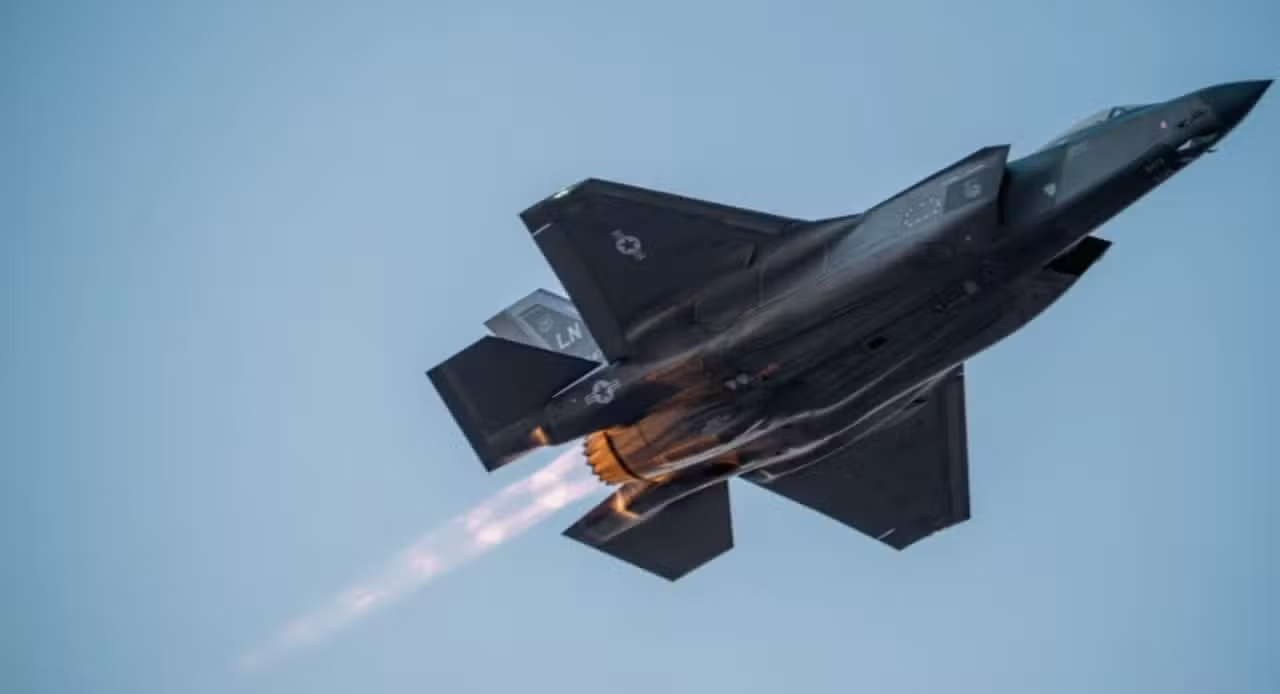
The Forças of Defesa of Israel expanded their military operations in the Oriente Médio with bombings directed at The operation marks the seventh day of continuous hostilities in the region, changing regional security dynamics and mobilizing air fleets for simultaneous attacks on multiple combat fronts.
Iranian state television confirmed that the targets in the capital included a strategic complex linked to Ayatollah Ali Khamenei. The location is in an area of great government importance close to Palácio Presidencial, a region that concentrates the main decisions of Estado and coordination of the Persian country’s armed forces.
The government of the Estados Unidos hardened its diplomatic tone in the face of the war escalation on the international scene. President Donald Trump demanded profound changes in the country’s leadership for any future negotiations, establishing strict conditions for the end of the nation’s economic and diplomatic isolation in the global system.
Military operations and strategic targets
The Israeli military command mobilized around 50 Força Aérea fighters to carry out this phase of the offensive. The aircraft dropped approximately 100 bombs on an underground bunker used by the top leadership of the Iranian government. The structure functioned as an emergency command center for coordinating war tactics and remained active even after the death of Khamenei, according to reports released by intelligence and security forces.
The tactics employed demonstrate a change in the focus of military operations in the region, prioritizing the neutralization of the operational and control capacity of Iranian forces. The destruction of infrastructure of high strategic value aims to weaken the coordination of the Persian country’s military actions amid the extended conflict. The dismantling of these underground bases represents an effort to cut lines of communication between military leaders and troops deployed on borders and in allied territories.
Civilian casualties and damage in urban centers
Local authorities reported new missile attacks on the city of Shiraz, located in the southern portion of Iranian territory.
The vice-governor of the province of Fars, Jalil Hasani, confirmed the deaths of 20 people in the region of
Cities such as Qom, Isfahan and Kermanshah also recorded explosions in areas known to house missile bases and military research facilities.
Crescente Vermelho updated data on victims since the start of hostilities, indicating that more than 1,330 people lost their lives during clashes across the territory.
Offensive against positions in Beirute
The Lebanese capital faced 26 waves of bombings during the night, lighting up the city’s sky and generating tremors felt kilometers away. State agency ANI confirmed that the attacks hit the southern suburbs of Beirute, areas traditionally occupied by forces allied with the Iranian government.
Israeli forces stated that the targets were command centers and weapons depots of the Hezbollah, a Shiite group with a strong military presence in the area. The scenario worsens the situation of civilians in the country, increasing the flow of internally displaced people seeking refuge in improvised shelters and mountainous areas further away from the bombings.
Iranian government position
Exército of Irã used the state television network to promise an intensification of its military offensives in the coming days, indicating that the country has an arsenal ready to respond to recent bombings. President Masoud Pezeshkian stated that there are mediation efforts underway behind the scenes diplomatically, but did not reveal which nations are participating in the talks. The head of Estado reiterated that the country will defend its sovereignty and demanded that mediators hold the nations that triggered the current conflict accountable. Guarda Revolucionária endorsed the government’s stance and officially announced that the troops are prepared for a long-term confrontation, with guaranteed stocks of supplies and weapons. The minister of Relações Exteriores,
Washington strategy for the region
President
The Estados Unidos administration has conditioned any diplomatic agreement on the unconditional surrender of the current government, demanding the establishment of a new leadership that demonstrates impartiality and diplomatic goodwill towards the Ocidente.
The Pentágono announced the sending of B-2 stealth bombers to operate in the region, with the ability to penetrate underground installations. The secretary of Defesa, Pete Hegseth, confirmed alongside the US Comando Central that the frequency and intensity of air missions will increase in the coming days.
Extension of the conflict to neighboring nations
Golfo Pérsico nations have activated their air defense systems against invading drones and missiles that have crossed international airspace. Arábia Saudita, Catar, Bahrein and Kuwait recorded interceptions, highlighting the risk of geographic spillover of the war.
The American air base of Al Udeid, at
Perspectives on the duration of clashes
The head of the Estado-Major of Israel, Eyal Zamir, declared that there is no set date for the end of military operations in the Líbano. According to the Lebanese Ministério, 217 people have died and more than 95,000 have been displaced since the entry of the Hezbollah into the conflict, placing unprecedented humanitarian pressure on the local health system.
Air defense and daily life in cities
Warning sirens continue to sound in Tel Aviv and other Israeli locations due to Iranian rocket launches. The constant activation of interception systems reflects the maintenance of a state of maximum alert and severely alters the routine of the civilian population in urban areas, forcing residents to remain close to bunkers and underground shelters.