
Mercedes and Ferrari dominate free practice at the Australian GP with new Formula 1 regulations

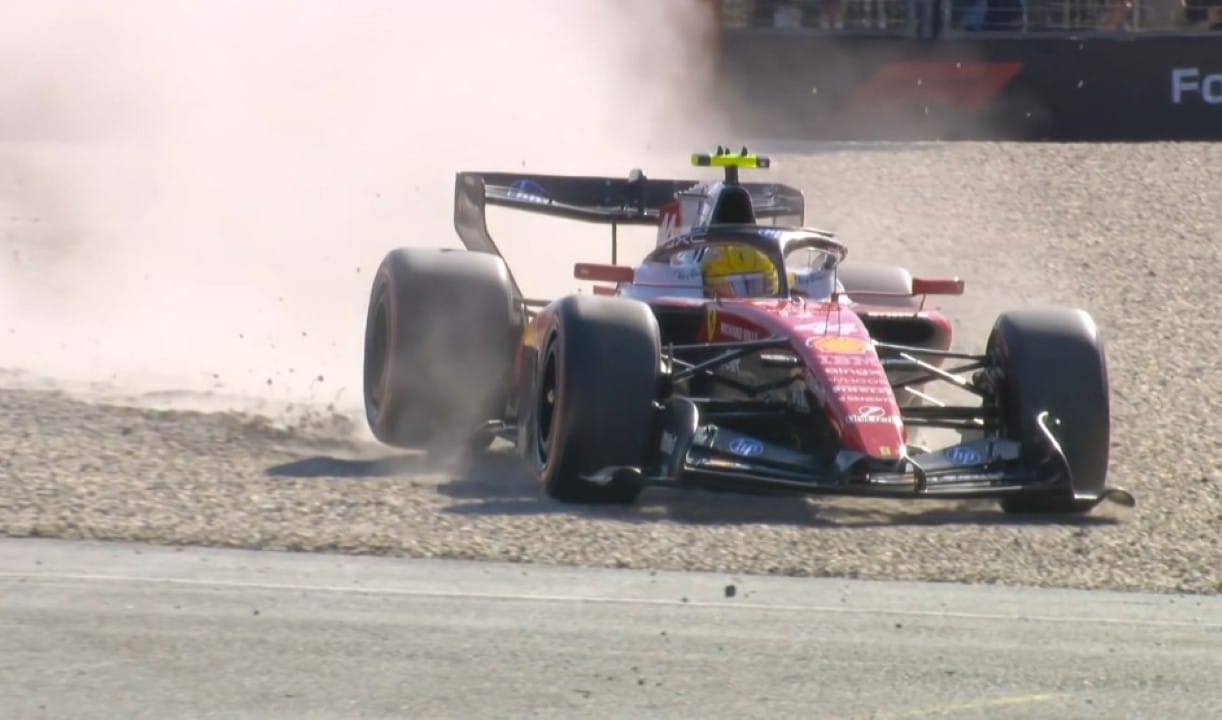
The world motorsport scene dawned busy with the start of track activities in the inaugural stage of the elite motor sports championship. The engines roared loudly again during the initial adaptation sessions, marking the end of the closed testing period and the beginning of real performance evaluations. The teams took advantage of favorable weather conditions to collect the first official data of the year.
The main motorsport category introduced an unprecedented set of technical guidelines that significantly alter the aerodynamics and mechanical behavior of single-seaters. Engineers spent the morning focused on understanding how the changes affect rubber wear and pace over long sequences of laps.
The circuit set up around the lake in Melbourne always presents unique challenges due to its nature as a temporary street circuit. Asphalt grip progressively improves as more cars cover the route, requiring constant adjustments to the suspension setup and floor height.
During the activities, it became clear that some teams were able to interpret the new rules more efficiently than others. The work in the pits was intense, with mechanics changing wing angles and calibrating the pressure of the compounds to find the ideal operating window for the equipment.
Performance of the top teams on the route
The German team demonstrated a quick adaptation to the new technical regulations, setting consistent times from the first minutes of the session. The silver car showed great stability in heavy braking zones and excellent traction on corner exits, fundamental characteristics for a good lap time in the Albert Park.
The Italian team also confirmed the positive expectations generated during the pre-season, following the pace of its rivals closely. The red model showed agility in quick changes of direction, indicating a well-balanced chassis and an engine with smooth and progressive power delivery.
Technical challenges and pilot adaptation
Unlike the leaders, the Austrian team faced unexpected difficulties in finding the ideal setup for their single-seater. The drivers reported instability in the rear axle, especially during reacceleration, which compromised their confidence to attack the curbs with the necessary aggression.
The new aerodynamic rules reduced the downward pressure generated by the floor, making the cars more sensitive to side winds and undulations on the track. Essa change requires more technical and precise riding, punishing small errors with significant loss of time or excessive wear on the compounds.
Telemetry data shows that cornering speeds have fallen slightly compared to previous years. However, straight-line speeds increased, forcing competitors to recalculate their braking points and adjust their visual references throughout the more than five kilometers of the track.
Compound Management Strategies
The official tire supplier made its intermediate range of compounds available for this stage, requiring extra attention from the teams regarding thermal degradation. The abrasive asphalt of the urban circuit tends to quickly consume the softer rubber, limiting its use to short fast lap attempts.
During race simulations, most teams chose to focus on the medium compound, seeking to understand its durability with a full tank. Strategy engineers closely monitored surface and internal casing temperatures, trying to predict the exact moment when grip would begin to drop dramatically.
The hard compound was tested by a few drivers, usually towards the end of the second free practice session. Embora offers greater resistance to wear, the difficulty in reaching the ideal operating temperature caused many to report a lack of grip in the first laps after leaving the pits.
Race pace analysis suggests that the two-stop strategy may be the preferred choice for the main event. Contudo, the high probability of safety car intervention on this specific route keeps all strategic options open, requiring flexibility from race directors.
Impact of aerodynamic upgrades
Several teams brought substantial upgrade packages to the first race, focusing mainly on airflow around the front wheels and the efficiency of the side cooling ducts. The analysis of aerodynamic flow using special paints and pressure sensors occupied a good part of the first hour of activities. Mechanics had to work quickly to remove these measuring structures and free up the cars for fast laps, ensuring that track time was not wasted on purely investigative procedures.
Modifications to the front wings aim to reduce turbulence directed towards the bottom of the car, maximizing the ground effect generated by the rear diffuser. Equipes from the intermediate squad showed significant gains in straight-line speed after implementing these solutions. The challenge now is to ensure these parts work consistently in dirty air when drivers are closely following an opponent during the race.
Suspension and stability settings
The search for the ideal compromise between car height and suspension stiffness has proven to be the biggest technical puzzle of the day for most garages. Under the new regulations, cars need to run as close to the ground as possible to generate downforce, but the uneven asphalt of Melbourne creates the risk of violent oscillations. Para To avoid damage to the floor and ensure rider comfort, engineers were forced to slightly raise the ride height, sacrificing a fraction of theoretical performance in favor of stability. Essa change resulted in marginal lap times among the top ten, showing that the millimetric precision in the mechanical configuration will be the determining factor for the formation of the starting grid. Teams that can cushion the bumps without losing the aerodynamic platform will have a considerable advantage in the strongest braking zones.
Expectations for the qualifying session
With extremely narrow time margins between the main forces on the grid, the definition of the position of honor promises to be decided down to the smallest details. The evolution of weather conditions and the accumulation of rubber on the track will require the drivers to find the limit of their equipment on the final lap of qualifying, with no room for conservatism.
Intermediate squad analysis
Behind the top teams, the battle in the middle of the pack featured unprecedented competitiveness. Diversas teams exchanged positions on the timesheet throughout the afternoon, demonstrating that small changes in track temperature can completely alter the order of forces. The focus of these garages remained on optimizing airflow to the rear brakes, a critical area for performance on the Australian circuit.
Some smaller teams surprised by recording impressive top speeds on the main straight, thanks to a low-drag aerodynamic package. However, drivers have suffered from premature degradation of the rear tires, meaning the car slips excessively in low-speed corners. The engineers’ nightly work will be focused on finding a mechanical balance that preserves the rubber without sacrificing the final speed advantage.
Others took a more conservative approach, dedicating almost all of their track time to evaluating engine maps and fuel consumption. Essas teams ran with heavy gas loads, masking their true fast lap potential. The main objective was to guarantee the reliability of the power unit under the continuous stress of the strong accelerations required by the track.
Climatic factors and asphalt evolution
Meteorology always plays a fundamental role in the rounds held at Austrália, and temperature variations directly influenced the behavior of the cars throughout the day. The morning session took place under cloudy skies and cold asphalt, making it difficult to warm up the harder compounds and resulting in several wheel locks in the first corner. As the sun came out in the afternoon, the track temperature rose by more than ten degrees, completely altering the tires’ thermal operating window. The teams needed to readjust the initial pressures to avoid surface overheating, a common problem when cars negotiate the high-speed corners of the third sector. The forecast of strong winds for the next few days adds another complex variable, as gusts can destabilize single-seaters in the most critical braking zones.
The phenomenon of track evolution was particularly pronounced in this edition, thanks to the prior cleaning of the asphalt and the gradual deposit of rubber along the ideal trajectory. The drivers noticed a significant increase in grip with each completed lap, which made the times recorded in the first thirty minutes practically irrelevant for analyzing performance at qualifying pace. Esse continued gain of traction requires engineers to anticipate asphalt conditions for the official session, configuring the cars not for the track as it is now, but for how it will be at the decisive moment. The ability to predict this evolution and adjust the angles of the front wings in real time will be a crucial differentiator to guarantee a good starting position on Sunday.





