
Honda engine failure takes Fernando Alonso out of free practice for Aston Martin at the Australian GP

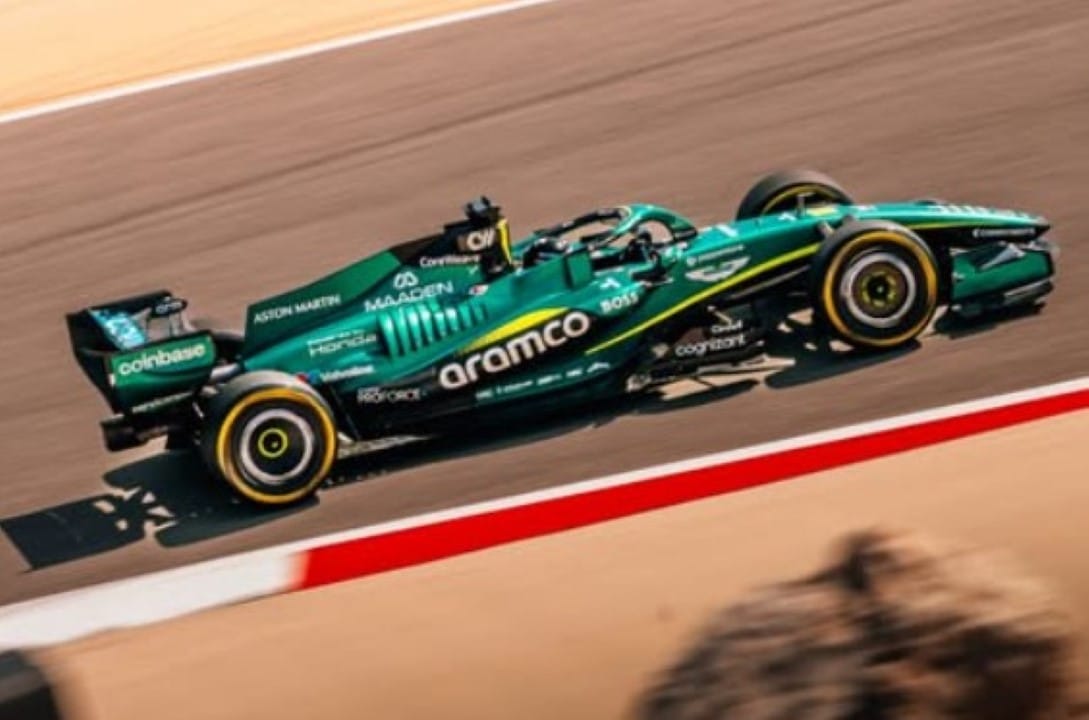
The Fórmula 1 season started with significant technical obstacles for the Aston Martin on the Albert Park circuit, in Melbourne. Durante the first free practice session of the Grande Prêmio of the Austrália, the British team identified severe anomalies in the operation of the new power unit supplied by the Honda.
The two-time world champion Fernando Alonso remained in the pits throughout the track activity due to the engine’s immediate impairment. Do Across the garage, Canadian Lance Stroll managed to complete just three laps before being recalled to the pits as a precaution, after sensors detected similar abnormal oscillations.
Team engineers issued official statements confirming the opening of a detailed investigation into both single-seaters. The focus of the preliminary analyzes is to isolate the source of vibrations that affect the structural integrity of the chassis and the power delivery of the hybrid system.
Origin of mechanical failures in the Melbourne circuit
The integration of the Honda engine into the 2026 Aston Martin project has generated excessive vibrations that damage essential components at an accelerated rate. The first signs of this mechanical imbalance were recorded during the pre-season carried out on the Bahrein, when the team had to drastically limit daily mileage to preserve the equipment. The resonance generated by the internal combustion engine directly affects the battery compartment, requiring frequent replacements that exhaust the stock of spare parts before qualifying sessions even begin.
To try to overcome the situation before the opening stage, technicians applied provisional countermeasures that were extensively tested on the dynamometers located at Japão. When putting cars on the Australian track, virtual solutions did not translate into real reliability, worsening component shortages in the pit. The engineering team is now working with a critical limit of spare parts, which restricts the ability to carry out aerodynamic tests and focus on fine-tuning the car for the specific conditions of the Albert Park urban layout.
Physical symptoms reported by drivers on the track
Fernando Alonso reported immediate discomfort with the vibrations transmitted to the cockpit, pointing out that the oscillation compromises vision at high speeds and concentration in braking zones. The Spaniard highlighted the need to find quick solutions, as the team operates at the limit of its material resources in the first stage of the calendar.
Lance Stroll corroborated his teammate’s observations after his brief stint on the track, mentioning intense forces transferred directly to the spine and arms. Continuous vibration generates premature physical wear and tear, forcing drivers to adopt defensive postures inside the car, which affects lap times and precision when cornering.
Emergency measures adopted by the technical team
Under the technical supervision of Adrian Newey, the team recognized an initial underestimation of the complexity of coupling the Japanese power unit to the new aerodynamic regulations. The supplier transition required a complete redesign of the car’s rear end, revealing unforeseen vulnerabilities in torsional rigidity.
Mechanics dismantled the rear sections of both vehicles to inspect the engine mounting points and transmission mounts. The internal order is to carefully map the frequency of vibrations to apply absorption pads developed as a matter of urgency.
The team management established strict mileage protocols for the next entries on the track, aiming to protect the physical integrity of the competitors. Continuous Voltas were vetoed, replaced by short outings focused strictly on collecting telemetry data.
The structural analysis department uses high-precision sensors to monitor material stress in real time. Cada Return to the pits involves a thermal and acoustic scan to ensure that microcracks do not propagate through the carbon fiber chassis.
Adjustment schedule for the following sessions
Activities on the Melbourne route continue with the second free practice session scheduled for the end of the afternoon, local time, requiring agility in reassembling the cars. The official classification takes place on Saturday, defining the grid for Sunday’s main race, which is scheduled to start at 3pm on the Australian east coast.
Aston Martin planning was completely restructured to prioritize validation of structural repairs over pure performance. Engenheiros runway and strategists recalculate flight plans to ensure pilots have minimal experience with the soft tires before qualifying.
Representatives from Honda participate in remote conferences with the base at Europa and Japão to compile software updates. The intention is to change the ignition maps and electrical torque delivery to try to smooth out the resonance generated in specific engine speed ranges.
Operational risks and continuous medical monitoring
Preliminary assessments by the category’s medical department indicate that continuous exposure to the vibratory frequencies recorded in the Aston Martin cars may cause peripheral neurological damage to drivers, limiting safe participation to a maximum of 25 consecutive laps. Para mitigate these occupational risks, ergonomics experts were integrated into the track operation, developing additional padding for the seats and changing the density of the gloves used by Alonso and Stroll. The international federation is following the case closely, requiring telemetry reports to certify that the vehicles operate within the structural safety limits established by current technical regulations. Paralelamente, physiotherapists intensified recovery routines between sessions, applying muscle decompression therapies and monitoring athletes’ vital signs to avoid chronic fatigue even before the red lights went out on Sunday.
Parts logistics and international transport
The need for spare components triggered a complex logistical operation to transport spare parts from the Japão to the Austrália in record time. The team’s coordination works with customs authorities to release batteries and electronic modules for commercial flights and chartered cargo ships.
Mechanics prepare subassemblies in the pits while waiting for the material to arrive, creating contingency plans in case shipments are delayed. The supply department’s quick response capacity became the determining factor in the team’s continuity at the event.
Repercussion in the paddock and competitor assessments
The scenario faced by Aston Martin attracts the attention of rival teams, who closely observe integration failures to avoid similar problems in their own projects. Pilotos from other garages, like Valtteri Bottas, commented on the difficulty inherent in the new generation of power units, highlighting that initial reliability will be a decisive factor for scoring in the first stages of the world championship.
Security guidelines implemented by the federation
Technical stewards carry out periodic inspections of the British team’s pits to ensure that emergency modifications do not violate parc fermé rules. Transparency in reporting structural failures is a requirement of sports regulations to maintain the license to participate in the event.
Sharing basic data on anomalous vibrations is encouraged among the category’s technical working groups. The intention is to raise collective safety standards, ensuring that the development of sustainable engines does not compromise the integrity of new generation chassis.
Weather forecasts and tire strategies
The weather conditions in Albert Park present thermal fluctuations that further complicate the adjustment of damaged cars. The possibility of precipitation on race day forces strategists to consider higher pressure aerodynamic configurations, which can exacerbate mechanical stress on the power unit.
Without sufficient track time to test the degradation of rubber compounds, Aston Martin will rely on virtual simulations to define pit stop windows. The absence of real data from long stints puts the team at a tactical disadvantage in relation to the rest of the field, requiring improvised reactions on the pit wall during the course of the race.





