
Israel’s military offensive hits command centers in Iran and worsens humanitarian crisis in Lebanon

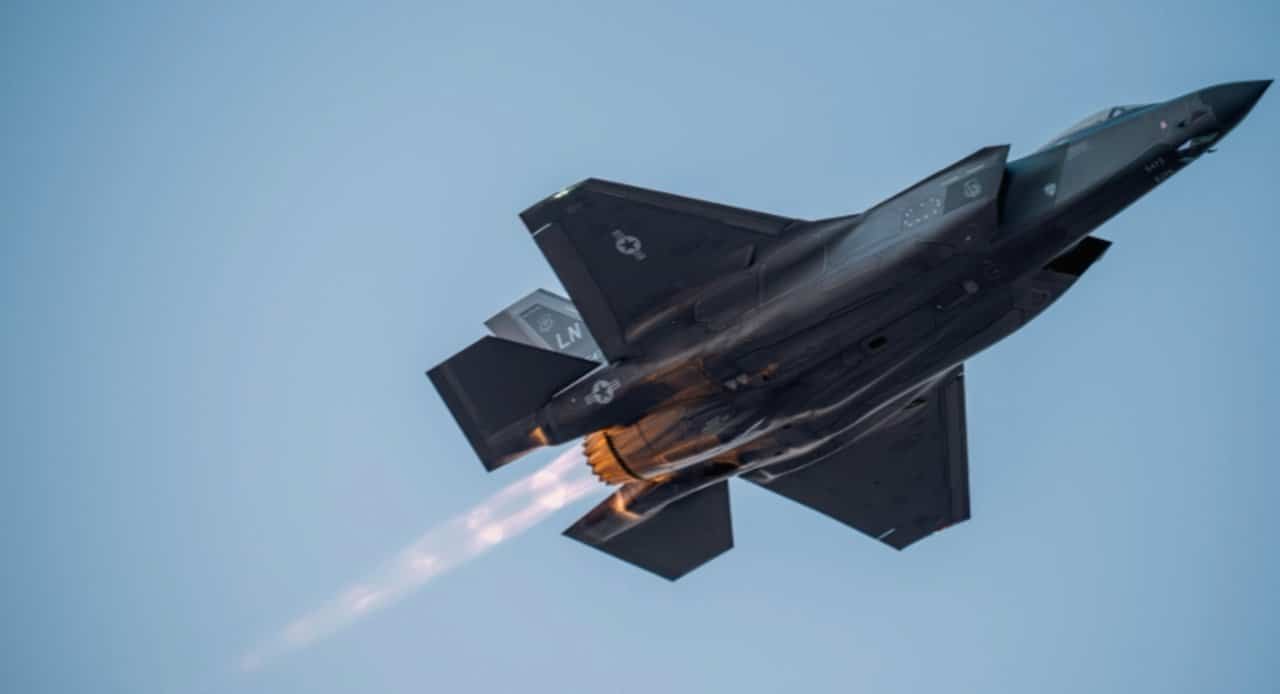
The Israeli armed forces carried out a series of coordinated operations against government infrastructure in Iranian territory and residential areas on the outskirts of the Lebanese capital. The air mobilization marks a significant increase in hostilities in Oriente Médio, directly affecting regional security dynamics and forcing the displacement of thousands of civilians residing in border areas and large urban centers affected by the explosions.
The bombings hit underground installations and power centers associated with high-ranking political and military leaders, including areas close to strategic presidential buildings. The tactic demonstrates an operational change focused on neutralizing control bases used to coordinate allied groups, changing the balance of forces and requiring an immediate reconfiguration of the anti-aircraft defenses of the countries involved in the direct conflict.
In parallel to the military movements, the international diplomatic scenario underwent changes with blunt statements from the Estados Unidos government regarding the future of the region. American demands for changes at the top of the Iranian regime add pressure to peace negotiations, paralyze attempts at international mediation and severely affect bilateral relations, creating an impasse that makes it difficult for international humanitarian aid to enter.
Air operations over Iranian installations
The Israeli military operation mobilized dozens of combat aircraft to strike specific, high-value targets on Iranian territory. The squads launched high-precision munitions at underground complexes that functioned as emergency centers for local leadership, seeking to disrupt the chain of command before new retaliatory orders could be issued to the missile launch sites.
The destruction of these structures aims to weaken the coordinated response capacity of the Irã armed forces at a time of high tension. Autoridades military personnel justified the continued action as a strictly necessary measure to dismantle the logistical and tactical support network operated by the Teerã authorities, guaranteeing the security of Israeli borders against imminent ballistic attacks.
Extent of damage and situation of victims
The southern provinces of Irã, especially the Fars region, recorded severe material damage after projectiles fell on densely populated urban areas. Relatórios of local authorities confirmed the deaths of dozens of civilians, in addition to a high number of injured requiring urgent medical care in hospitals that are already operating above their maximum capacity of beds and supplies.
Simultaneous explosions occurred in strategic hubs such as Isfahan and Qom, places that traditionally house heavy weapons storage bases and research centers. The scope of the attacks has increased pressure on Iranian rescue services and health organizations, forcing the government to mobilize emergency teams from neighboring provinces to help clear rubble and rescue survivors.
Relief organizations have reported that the total number of fatalities has surpassed the thirteen-hundred mark since the start of the current phase of hostilities. The civil emergency situation demands the urgent mobilization of resources to provide basic supplies, drinking water and medicines to the temporary shelters set up by Crescente Vermelho.
Structural crisis in the Lebanese capital
The capital of Líbano faced consecutive dawns of intense bombings aimed specifically at the southern suburbs. The operations focused on weapons depots and administrative headquarters belonging to the Hezbollah group, drastically altering the routine of the local population and forcing the closure of schools, businesses and essential transport routes.
Waves of air attacks caused the destruction of civilian infrastructure and entire blocks in the most peripheral areas of Beirute. The forced displacement of residents burdens neighboring cities and northern provinces, which are trying to absorb the sudden influx of internal refugees without having adequate sanitation and shelter infrastructure for the volume of people.
Lebanese state agencies confirmed the severity of the destruction in neighborhoods associated with the presence of militias, reporting large fires and structural collapses of residential buildings. The interruption of essential services, such as the supply of electricity and running water, worsens the survival conditions of families who, due to lack of resources, remain in the conflict zone.
The Líbano health system has reported hundreds of deaths and almost eight hundred injured in recent weeks, in addition to a contingent that approaches one hundred thousand displaced people. The lack of safe routes for the evacuation of civilians makes the work of rescue teams and ambulances difficult, as they operate under the constant risk of new air attacks during movements.
American diplomatic and military positioning
The Estados Unidos government expressed a strict stance regarding the development of the conflict, ruling out the possibility of an immediate land invasion, but maintaining political pressure on Teerã. President Donald Trump emphasized that any stabilization agreement will depend on an unconditional surrender of Iranian forces and the establishment of a new political leadership aligned with Western interests. The American administration argues that regime change is an absolute prerequisite for the resumption of economic development in Irã, promising financial and structural support if diplomatic demands are fully met by local authorities and the missile program is dismantled.
In the military sphere, the Pentágono authorized the sending of B-2 stealth bombers and additional fighter squadrons to reinforce the American presence in the Oriente Médio. The Comando Central of the Estados Unidos confirmed the preparation of operations using deep penetration munitions, aimed at destroying underground military installations that escaped previous offensives. The deterrence strategy includes increasing the frequency of patrol flights, repositioning aircraft carriers and expanding defensive capabilities at allied bases, signaling a long-term commitment to the security of Israel and the containment of Iranian military influence in the region.
Advancing tension for the nations of Golfo
The instability generated by direct confrontations went beyond the borders of Israel, Líbano and Irã, directly reaching the airspace of neighboring nations in Golfo Pérsico. Países as well as Arábia Saudita, Catar, Bahrein and At the Al Udeid air base, located in Catar and recognized as the largest American military installation in the region, unmanned equipment managed to breach the primary security blockade, although it did not cause human casualties or critical damage to the airstrip. Simultaneamente, the Ministério of the Saudi Defesa reported the successful interception of multiple ballistic projectiles aimed at the kingdom’s strategic military complexes, using interceptor missile batteries. The Kuwait also mobilized its armed forces to neutralize unidentified aerial threats, highlighting the widespread vulnerability of commercial shipping lanes and oil infrastructure vital to the global economy. The regional escalation forces Arab governments to reinforce their defense budgets and seek urgent tactical alignments to protect their civilian populations and guarantee the continuity of port operations in one of the most militarized maritime zones in the world.
Preparations for a long-lasting clash
Military authorities in Tel Aviv have publicly confirmed that there is no set deadline for the end of operations in Líbano and the northern border. The defense summit prepares the national economy and civilian infrastructure for a prolonged period of uninterrupted fighting, adjusting the recruitment of reservists and ensuring the continued functioning of supply chains and essential services to avoid internal collapse.
Internal reactions and retaliatory fire
Exército of Irã published official statements on state networks guaranteeing that the country’s forces are ready to expand retaliatory offensives against Western targets and allied military bases. The Guarda Revolucionária has mobilized long-range missile units in underground silos, promising severe responses to any attempted ground invasion or new aerial bombardment against its provincial capitals.
In direct response to Iranian movements, Israeli cities such as Tel Aviv once again recorded the activation of warning sirens during the night, altering the urban flow. The interception system continued to operate uninterruptedly to neutralize rockets fired from neighboring territories, keeping the civilian population in underground shelters on a recurring basis and affecting the country’s commercial routine.



