New generation of Samsung Galaxy Buds 4 Pro hits the market with spatial audio and extended battery

[TITULO_NOVO][/TITULO_NOVO]
[TAGS_NOVAS]samsung, galaxy buds 4 pro, fones de ouvido sem fio, cancelamento de ruído, áudio espacial[/TAGS_NOVAS]
[TEXTO_NOVO]
The global portable audio device market has just received a significant upgrade with the introduction of the South Korean manufacturer’s latest sound hardware. The new bet in the high-fidelity wireless headphones segment aims to redefine media consumption patterns for demanding users. The equipment hits international shelves with the proposal to replace the previous generation architecture with completely redesigned internal components.
The modifications implemented by the engineering team focus directly on connection stability, anatomical comfort for continuous use and superior energy efficiency. Laboratory tests and daily use evaluations indicate that the changes are not just aesthetic, but structural, altering the way sound frequencies are processed and delivered to the ear canal. The device is designed to suit both audiophiles and professionals who depend on vocal clarity in noisy urban environments.
The launch strategy involves simultaneous distribution in the world’s main electronics retailers. The manufacturer seeks to consolidate its position among the brands that lead the development of smart wearable technologies, offering a product that integrates advanced signal processing and highly durable materials to withstand the wear and tear of intense daily use.
Evolution of audio architecture and dual-way drivers
The internal structure responsible for sound reproduction has been completely remodeled to house a high-precision dual-way system. The core of the device now features an 11mm dynamic driver, designed exclusively to manage bass frequencies with depth and control. This component operates in conjunction with a 5.5 millimeter flat tweeter, whose function is to reproduce the highest frequencies with extreme clarity and without harmonic distortions.
This physical separation between bass and treble allows musical instruments to be perceived in isolation, avoiding the sound congestion common in single-track headphones. The new configuration technically surpasses the set used in the previous generation, which depended on 10.5 millimeter and 6.1 millimeter drivers, presenting known limitations in reproducing subtle details in more complex and dynamic audio tracks.
The transmission of audio data between the smartphone and the headphones is managed by proprietary high-resolution codecs, in addition to maintaining full compatibility with traditional industry standards. The increased bandwidth results in significantly less aggressive audio compression, which preserves the integrity of the original file.
Direct benefits of this architecture include:
- Expansion of the sound stage, creating a sensation of three-dimensional space.
- Reduced listening fatigue during long listening sessions.
- Improved compatibility with streaming platforms that offer lossless audio.
- Superior fidelity in the reproduction of vocals and acoustic instruments.
Engineering behind active noise cancellation
The external sound suppression system received direct updates to its real-time processing algorithms. The hardware now uses a complex network of external and internal microphones to map the acoustic environment and generate inverse sound waves with millimeter precision. This process neutralizes unwanted frequencies before they reach the user’s eardrum.
Acoustic measurements indicate superior effectiveness in blocking continuous low-frequency noise. Persistent sounds, such as the hum of aircraft engines, air conditioning systems, and heavy vehicle traffic, are filtered out more evenly. The previous generation presented momentary instabilities in fractions of a second after abrupt changes in the environment, a problem that was mitigated with the new processing power.
Environmental Transparency Mode Recalibration
Environmental awareness mode, designed to allow selective passage of external sounds into the ear canal, has been recalibrated to sound organic and natural. The audio processor works to reduce the so-called occlusion effect, which often makes the user’s own voice sound muffled or robotic during face-to-face conversations.
With this modification, the microphones capture the frequencies of human speech and slightly amplify them, while keeping background noise controlled. This allows the user to carry out transactions in stores, hear announcements at airports and chat with co-workers without having to remove the headphones from their ears, keeping situational awareness intact.
Power management and thirty-hour autonomy
Energy efficiency represents one of the biggest technological leaps in this new iteration of wireless devices. Optimized hardware guarantees up to eight hours of continuous media playback, even with the noise cancellation system operating at maximum capacity. This uninterrupted screen time meets the demands of long flights and full workdays.
When combined with the carrying case’s energy storage capacity, total usage time away from outlets reaches the thirty-hour mark. The previous version recorded an average of six hours of direct playback under the same laboratory testing conditions. This extension of battery life was achieved through denser lithium-ion microcells and a chipset that reduces power consumption during quiet moments of playback.
The recharging process also underwent deep optimizations on the case’s internal plate. Connecting via the USB-C port allows the device to recover half of its total battery capacity in a significantly shorter period of time compared to previous devices. Magnetic induction charging technology remains present, ensuring compatibility with standard bases on the market and with smartphones that offer the reverse power sharing function on the back of the device.
Ergonomic redesign and abandonment of angular shapes
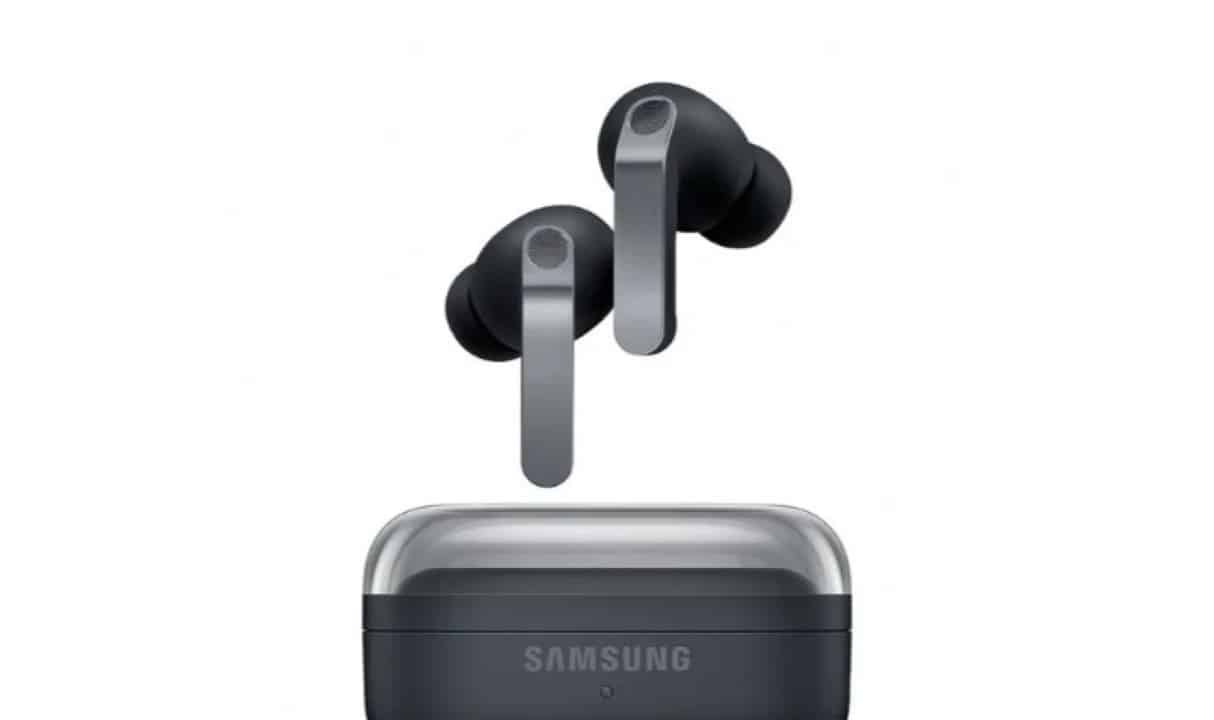
The design project of the new version moves away from the angular shape that characterized the previous line, adopting softer lines and traditional cylindrical temples. This geometric change not only responds to aesthetic trends, but to anatomical studies focused on weight distribution. The new shape reduces pressure on the ear cartilage, allowing for a more secure and comfortable fit for a wider variety of ear canal shapes.
The charging case has been redesigned into a clamshell shape and incorporates a semi-transparent top cover. This choice of material makes it easy to immediately visually control the battery LED indicators and pairing status, without needing to open the compartment or consult the app on your smartphone.
Water and dust resistance certification
The physical structure of the earphones has official sealing certification, attesting to rigorous protection against the penetration of fine dust particles and resistance to humidity. Internal insulation of electronic components prevents sweat or rain from damaging circuits during outdoor use.
Network stability with the new connectivity standard
The adoption of the Bluetooth 5.4 standard sets a new level for signal stability in places with high density of wireless networks. Environments such as train stations, crowded shopping malls and shopping centers often generate severe interference to audio devices, resulting in playback cuts. The new radio frequency protocol better manages data packets, avoiding connection drops.
In addition to stability, the technological update considerably reduces latency in audio transmission. This feature perfectly synchronizes the sound with the image displayed on the main device’s screen, eliminating noticeable lag during high-resolution video playback and competitive gaming sessions.
The multipoint connection function has been improved to manage the transition between two distinct sound sources fluidly. The system automatically detects which device is playing media or receiving a phone call, transferring the audio stream without the need for manual user intervention in the operating system’s configuration menus. This optimizes the routine of professionals who constantly switch between their work computer and their personal smartphone.
Artificial intelligence applied to adaptive equalization
The software architecture of the new headphones incorporates artificial intelligence routines focused on adaptive sound equalization in real time. Internal sensors continuously monitor the shape of the user’s ear canal and the level of seal provided by the silicone tips. This data is processed locally, allowing the processor to adjust the equalization curve in fractions of a second to compensate for any low frequency leaks caused by jaw movements or imperfect fit.
Deep integration with the manufacturer’s product ecosystem allows the activation of exclusive functions, such as spatial audio with dynamic head tracking. This technology uses built-in accelerometers and gyroscopes to map the user’s position in relation to the sound source. The result is an immersive three-dimensional acoustic experience, where the sound elements appear to be fixed in the physical space around the listener, simulating the acoustics of a professional studio or a high-end movie theater.
Advanced vocal isolation during phone calls
The voice capture package uses machine learning algorithms trained with vast databases of urban noise. The primary objective is to isolate the user’s speech in complex acoustic scenarios, such as construction sites, heavy traffic or strong winds. Directional microphones focus exclusively on vocal frequencies, actively discarding ambient sound before transmitting it to the cellular network.
Compatibility with wideband audio during phone calls ensures that the voice is transmitted with greater clarity and rich detail. Traditional compression of voice calls often eliminates the higher and lower frequencies of speech, resulting in a tinny sound. The new technology preserves the complete vocal spectrum, facilitating mutual understanding, even under the interference of moderate winds in open spaces or on busy streets.
The external structure of the headphones was also designed with specific acoustic meshes that function as physical barriers against the wind. The aerodynamic design diverts airflow away from the main microphones, working in conjunction with software to ensure communication remains intelligible in any weather situation.
Construction materials focused on prolonged durability
The longevity of internal components is ensured by high-density rubber seals and reinforced connectors at critical points on the circuit board. The rigor in the assembly process ensures that the device can withstand small drops and constant friction inside bags and backpacks, characteristics inherent to the daily use of portable equipment.
The silicone tips provided in the box use a medical-grade hypoallergenic material designed to maintain structural integrity even after months of contact with the skin’s natural oils. The ease of cleaning these parts contributes to maintaining long-term sound quality, preventing the accumulation of debris that could obstruct the audio outputs.
Positioning strategy in the premium electronics segment
The pricing policy of the new device reflects the inclusion of sophisticated hardware components and refined manufacturing processes. The device is positioned on the top shelf of the portable audio segment, competing directly with high-fidelity models from other global technology companies that dominate the smart wearables category. The manufacturer’s commitment is based on delivering a cohesive ecosystem and robust technical specifications to justify the consumer’s investment.
The previous generation remains in circulation in retail electronics stores, undergoing value adjustments that make it a viable alternative for consumers who wish to update their old equipment without bearing the full cost of launching the new generation. This commercial dynamic expands the manufacturer’s presence in different
Luís Henrique Costa é jornalista formado pela FMU, editor-chefe e fundador do Mix Vale, portal de notícias em atividade desde 2013. Responde pela direção editorial do veículo, que cobre Brasil e mundo em economia, benefícios sociais, esportes, tecnologia, ciência e entretenimento. Atua na área há mais de 15 anos e lidera uma equipe de cerca de 15 colaboradores.