
American stocks fall with a barrel above US$100 and risk of stagflation in the USA

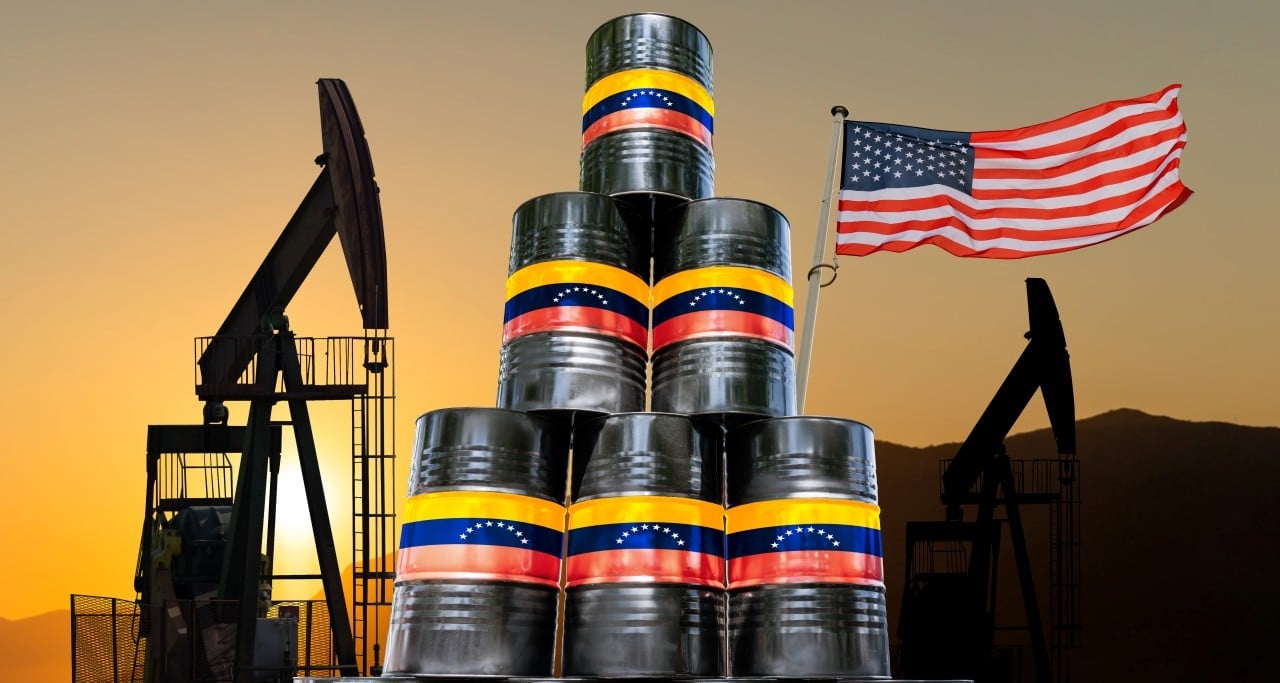
American stock markets recorded sharp falls this Monday (March 9, 2026), with the Dow Jones Industrial Average plummeting 716 points, equivalent to 1.5%, amid the accelerated advance in oil prices, which surpassed the US$100 per barrel mark. The S&P 500 fell 1.2% and the Nasdaq Composite also fell 1.2%. The VIX volatility index surpassed 30 for the first time since April 2025, signaling a greater search for protection among investors in the face of economic uncertainty.
The rise in oil, which reached peaks above US$119 in the early morning before closing at around US$101, intensified concerns about stagflation in the Estados Unidos, a scenario that combines persistent inflation and weaker economic growth. Conflict on Oriente Médio, involving attacks between Estados Unidos, Israel and Irã, keeps Estreito of Essa interruption forced regional producers to reduce production, worsening the perception of restricted supply in the global market.
The West Texas Intermediate advanced 11% on the day, while the Brent followed a similar trajectory and reached around US$102 per barrel. The movement represents a drastic turnaround, as oil began the year priced below US$60. The combination of these factors has put pressure on stock indices since the opening of trading at Nova York.
Main factors that led to the fall in stock markets
- Prolonged blockade of Estreito of Ormuz, which accounts for around 20% of the oil traded in the world.
- Drastic reduction in the production of Iraque and Kuwait to avoid the accumulation of stocks without possible disposal.
- Increase in the geopolitical risk premium in oil futures contracts.
- Rising US Tesouro bond yields, which signals expectations of higher inflation.
- Lack of immediate confirmation on the coordinated release of strategic reserves by the G7.
Market reactions at the opening of trading
Operators at Bolsa of Nova York saw widespread sales in the first few minutes. The Dow Jones extended losses after posting its biggest weekly drop in nearly a year in the previous session. The elevated volatility reflected investors’ difficulty in pricing the lasting impact of the energy supply shock.
The VIX index above 30 indicated a return to levels of stress similar to those seen in previous periods of geopolitical tension. Muitos market participants opted for defensive positions, which contributed to downward pressure on the main indices.
Block details on Estreito of Ormuz
The strait remains impassable due to Iranian threats against ships transiting the route. Sem logistical alternatives of the same capacity, Golfo Pérsico’s export flows were severely compromised. Produtores locations face a dilemma between maintaining production and avoiding overcrowding in land terminals.
Iraque reported a 70% drop in extraction in fields in the south. Kuwait implemented preventive cuts to adjust supply to limited flow demand. Outros members of Opep+ monitor the situation to decide further actions if the blockage persists.
Producers’ response to the logistics crisis
Oriente Médio countries quickly adjusted daily operations. The containment of production aims to preserve physical stocks while the sea passage remains closed. Essa strategy contributed to the soaring prices in international markets.
Kuwait and Iraque led public reduction announcements. Outros producers evaluate additional measures to mitigate financial losses. The market interprets these actions as a sign of short-term structural shortages.
Possibility of using strategic reserves
G7 officials discuss coordinated release of oil reserves to alleviate the immediate supply shock. Essa perspective helped contain part of the intraday rise in oil and allowed a partial recovery in stock indices during the afternoon. The lack of official announcement limited the positive effect.
Investors await concrete definitions on volume, timing and participating countries. Qualquer delay in the decision could maintain pressure on energy prices and, consequently, on stock markets.
Political statements over the weekend
President Donald Trump stated that temporary increases in oil prices represent “a very small price to pay” to eliminate nuclear threats from Irã. The comment, made on Sunday night, influenced market opening sentiment on Monday. The statement reinforced the perception that the conflict could prolong.
Reports indicate that Irã has appointed Mojtaba Khamenei as the new supreme leader. Essa internal transition signals continuity of the Iranian government’s current stance. The conflict shows few signs of immediate de-escalation.
Strategists’ analysis of the economic scenario
Ed Yardeni, from Yardeni Research, warned of the risk of a repeat of stagflation similar to the 1970s if the oil shock persists. Ele highlighted Federal Reserve’s dilemma between combating high inflation and avoiding an increase in unemployment. The strategist maintains a base scenario for quick resolution of the conflict.
Other analysts follow leading indicators of employment and inflation. Current volatility reflects uncertainty about lockdown duration and coordinated global response. The market remains sensitive to any diplomatic or military news.
The combination of expensive energy, high volatility and geopolitical uncertainty dictated the negative tone of American stock markets this session. Desenvolvimentos in the next few hours or days can quickly change the current picture of prices and indices.



