
Details of the new POCO X8 Pro Max leak in Europe with 8500 mAh battery and Dimensity 9500s chip

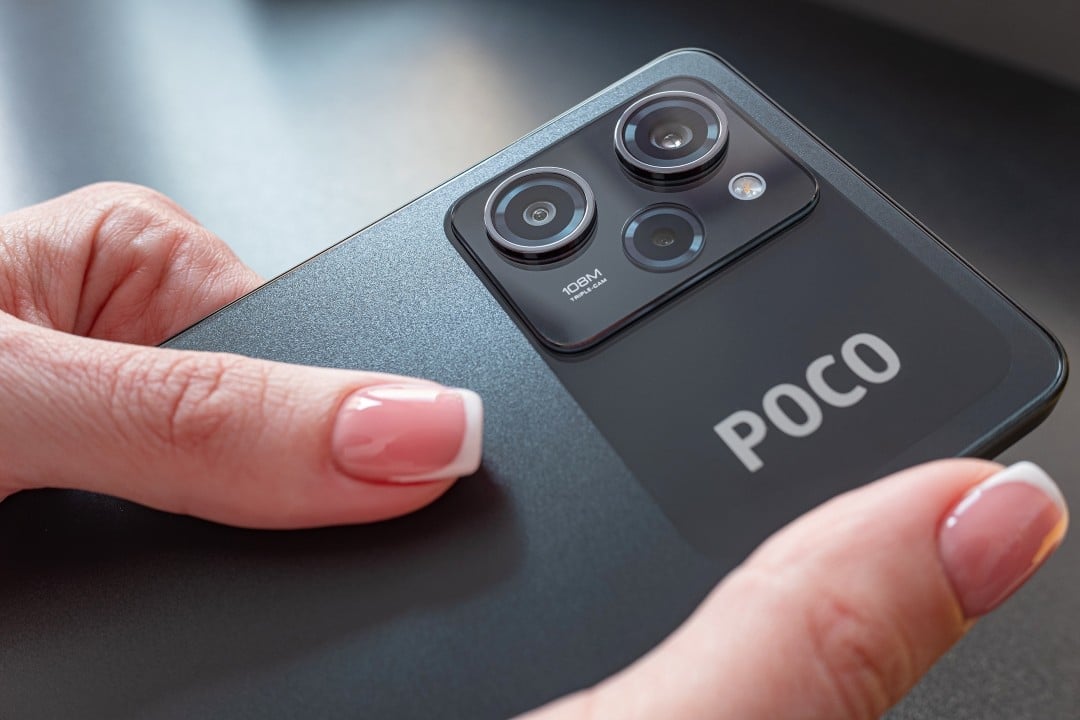
Detailed information about one of the most anticipated mobile devices on the technology market was prematurely revealed by a European retailer. The leak exposes the full technical specifications of the phone industry’s next high-performance release, highlighting a significant focus on energy autonomy and processing capacity. The device has features that place it in a superior category, with internal components designed to handle complex tasks and intense daily use routines.
The official schedule indicates that the formal presentation of the device is scheduled for March 17th, the date on which all configurations will be confirmed for the global market. The early listing on the European sales platform allowed the visualization of critical data about the product’s architecture, anticipating the manufacturer’s strategy to compete in the premium handset segment. The information released points to a profound structural reformulation compared to previous generations of the same line.
According to data extracted from the retailer’s system, the main hardware encompasses the following technical components:
– State-of-the-art MediaTek Dimensity 9500s processor.
– Módulo extended battery with nominal capacity of 8500 mAh.
– Tela 6.83-inch OLED with 1.5K resolution and 3500 nits brightness.
– Sistema of memory with 16 GB of LPDDR5x RAM and 512 GB of UFS 4.1 storage.
– 50 MP main Câmera equipped with the Light Hunter 600 sensor.
The combination of these elements suggests an approach aimed at users who demand continuous high performance, such as electronic game enthusiasts and professionals who use media editing applications. The integration of an advanced cooling system was also listed as one of the pillars of the new project, aiming to maintain thermal stability even under maximum processing load.
Processing architecture and cooling system
The operational core of the device is powered by the MediaTek Dimensity 9500s processor, a chip designed to maximize energy efficiency without compromising the speed of task execution. The architecture of this component allows for dynamic resource allocation, directing specific processing power to heavy applications while keeping background processes operating with minimal consumption. Esta intelligent management is essential for the fluid operation of the operating system and for executing complex graphics in real time.
To support the high performance of the processor, the engineering design included a large vapor chamber, designed to dissipate the heat generated by internal components. The cooling system actively works to reduce the temperature of the motherboard and battery, preventing thermal throttling that tends to reduce the chip’s speed during prolonged sessions of intensive use. Maintaining a suitable operating temperature ensures that the device delivers its maximum capacity steadily and safely.
Energy capacity and charging technologies
The specification that draws the most attention in the European leak is the inclusion of a battery with a capacity of 8500 mAh, a number substantially higher than the mobile phone industry average. Most current high-end devices offer batteries in the 5000 mAh range, which makes this new configuration a significant technical differentiator. Esta power reserve is designed to support multiple days of moderate use or long hours of uninterrupted media consumption and video games.
The power replenishment system follows the battery ratio, offering support for 100W fast wired charging. Esta electrical transfer technology allows the huge energy tank to be refilled in a short period of time, minimizing the period in which the device needs to be plugged in. Energy management algorithms work during the process to prevent chemical cells from overheating and extend component life.
In addition to the physical connection, the hardware supports wireless charging with a power of 27W, providing additional convenience for users. Compatibility with the Qi standard ensures that the device can be recharged on a wide variety of commercially available bases, including systems integrated into vehicles and furniture. Reverse charging functionality is also present, allowing the smartphone to supply power to smaller accessories such as headphones and smart watches.
Screen specifications and visuals
The front panel consists of a 6.83-inch OLED screen, which delivers a 1.5K resolution to guarantee the clarity of texts and the precision of graphic elements. Organic light emission technology provides absolute contrast levels, reproducing deep dark tones and vibrant colors that enhance the viewing of multimedia content. Factory calibration aims to meet professional color fidelity standards.
The fluidity of animations and page scrolling is ensured by a refresh rate of 120 Hz, which updates the image one hundred and twenty times per second. Esta technical feature reduces motion blur and significantly improves touch responsiveness, crucial factors for system navigation and precision in interactive applications and competitive games.
The maximum brightness of the panel reaches 3500 nits, an index designed to maintain the readability of the screen even under direct incidence of intense sunlight. Ambient brightness sensors dynamically adjust the intensity of light emitted by the display, optimizing energy consumption without compromising the user’s visual experience in different lighting scenarios.
Eye health protection has been addressed through the implementation of 3840Hz PWM dimming technology. Esta high modulation frequency eliminates imperceptible screen flickering at low brightness levels, reducing visual fatigue and discomfort during nighttime use or in low-light environments, adapting to modern ergonomic standards.
Memory and internal storage settings
The device’s random access memory structure is made up of 16 GB of RAM in the LPDDR5x standard, a technology that offers high data transfer rates with lower voltage consumption. Esta substantial amount of volatile memory allows the operating system to keep dozens of applications open simultaneously in the background, eliminating the need to reload pages or restart processes when switching between different work tools. The advanced memory architecture also makes it easier to perform bandwidth-intensive tasks such as rendering high-definition video and processing complex algorithms directly on local hardware. Memory management is software optimized to predict which applications will be used most frequently, preemptively allocating resources to ensure an immediate response to user commands.
The internal storage module uses the UFS 4.1 protocol and offers 512 GB of space for permanent storage of files, documents and media. The UFS 4.1 standard doubles sequential read and write speeds compared to past generations, which translates into near-instant load times for heavy applications and the ability to transfer gigabytes of data in a matter of seconds. Esta reading speed is essential to keep up with the performance of the main processor, avoiding bottlenecks in the flow of information within the motherboard. The half-terabyte capacity scales to accommodate years of high-resolution photos, videos recorded in heavy formats, and extensive libraries of offline content without the immediate need to resort to cloud storage services.
Camera system and image capture sensors
The rear photographic array is led by a 50-megapixel main sensor called the Light Hunter 600, designed specifically to maximize light capture in challenging environments. The architecture of this sensor allows for superior photon absorption, which results in images with a lower level of digital noise and greater detail, even in night photography or indoor photography. Image processing is aided by advanced algorithms that automatically adjust exposure, white balance and saturation, delivering accurate results in fractions of a second. Acompanhando the main lens, there is an 8-megapixel ultra-wide-angle camera, whose function is to expand the field of view to capture extensive landscapes, interior architecture and large groups of people without the need for physical distancing. Distortion correction at the edges of the ultra-wide-angle lens is performed in real time by photo processing software. On the front, the device houses a 20-megapixel camera dedicated to self-portraits and high-definition video calls, ensuring clarity and precise focus during corporate video conferences. The system as a whole supports video recording at high resolutions, offering optical and electronic stabilization to eliminate hand tremors when capturing moving images. The camera interface provides detailed manual controls for photographers who prefer to adjust parameters like shutter speed and ISO sensitivity independently.
Resistance and physical protection certifications
The physical construction of the smartphone obtained international IP68 and IP69K certifications, attesting to its full protection against the entry of dust particles and its ability to be submerged in fresh water. The IP69K rating, in particular, indicates that the device’s chassis has been sealed to withstand high-pressure, high-temperature water jets, lending an industrial level of durability to the consumer device. Biometric security is guaranteed by an ultrasonic fingerprint reader positioned under the screen, which maps finger grooves in three dimensions and works accurately even when the glass surface is wet.
Global connectivity and audio capabilities
Wireless communication options have been updated to support the Wi-Fi 7 standard, which provides faster, more stable, lower latency network connections on compatible routers. The Bluetooth 5.4 protocol is integrated to ensure efficient pairing with headphones and accessories, while the NFC chip allows contactless payments and smart tag reading. An infrared emitter positioned on the top edge maintains universal remote control functionality for home appliances.
The sound system is comprised of dual Dolby Atmos-certified stereo speakers designed to create a spatial audio experience when playing movies and music. The acoustic engineering applied to the sound ducts allowed a 300% increase in maximum volume compared to the previous generation, delivering full-bodied and distortion-free sound at higher frequencies.
Software integration with the new operating system
The device will operate under the HyperOS 3 interface, a customization layer developed on the basis of the Android 16 operating system. The visual interface features redesigned animations and a more organized notification system to make it easier to quickly read information.
The integration of functions based on machine learning algorithms is present throughout the system, helping to organize photographs, translate texts in real time and automate the user’s daily routines. Smooth communication with other devices in the same ecosystem, such as tablets and smart watches, has been improved to allow seamless file transfer and continuation of tasks started on different screens.
The Android 16 architecture reinforces privacy policies, processing most sensitive data directly on the device’s hardware, without the need to send it to external servers. The security dashboard gives users granular control over the permissions granted to each installed app, ensuring transparency in access to microphone, camera and geolocation data.
Market strategy and availability
The revelation of the data by the European retailer indicates that the distribution logistics for the global launch are already at an advanced stage. The presence of the device in inventory systems indicates that physical units are being allocated to strategic distribution centers to ensure immediate availability following the official announcement.
The presentation event scheduled for March 17th will serve to confirm price ranges in different regions and details about pre-sale promotional campaigns. The commercialization strategy must focus on the cost-benefit generated by the inclusion of superior components, such as the 8500 mAh battery and the advanced processor, in a highly competitive segment of the telephone market.




