Documents from European agencies expose Samsung Galaxy A57 with IP68 protection and long-lasting battery

Regulatory bodies on the European continent recently registered the technical specifications of the South Korean manufacturer’s new line of mid-range smartphones. Homologation files detail the physical and hardware characteristics of the models that will succeed the current versions available on the global market. The information points to a significant change in the assembly of equipment, focusing on more resistant and durable materials.
The leaked technical documentation exposes the company’s strategy to raise the construction standard of its most popular devices. The adoption of features previously restricted to premium devices aims to meet the region’s new environmental requirements. The authorities’ main objective is to extend the useful life of electronics sold and reduce the volume of technological waste generated by the premature disposal of cell phones.
Compliance reports confirm the implementation of improvements in energy management and structural strength of newly certified products. The boundary between the categories of basic and advanced cell phones presents a notable reduction with these new manufacturing guidelines. The telecommunications industry follows this movement, which should redefine the medium-cost segment in the coming months.
New engineering for mid-range devices
The detail of the technical sheets establishes a rigorous standard for the production of electronics on a global scale. Outras manufacturers in the mobile technology sector note the need to review their ongoing projects to maintain competitiveness in the intermediate segment. The inclusion of advanced protection technologies directly responds to modern consumer demands for greater physical durability in everyday devices.
The company anticipates regulatory trends that should be adopted by other economic regions when raising the level of construction of its highest sales volume series. Essa proactive approach changes the dynamics of annual launches in the telecommunications sector, forcing an adaptation of the entire production chain. The practice of planned obsolescence loses commercial space to long-term operational efficiency and proven sustainability.
Energy capacity and autonomy of use
Conformity tests conducted by European laboratories confirm that the new devices will maintain batteries with a nominal capacity of 5,000 mAh. Esse number has established itself as the standard for the intermediate category in recent years across several brands. The specification offers a safe balance between the total weight of the device and the usage time required by modern applications.
The autonomy of the devices showed significant statistical improvements, even without an increase in the physical size of the power component. The flagship model in the range recorded a certified estimate of 52 hours of continuous use under normal browsing and media playback conditions. The optimization of internal software and the energy efficiency of new processors are directly responsible for this increase in screen time.
The regulatory documents reveal unprecedented data on the chemical wear of lithium cells used in the current assembly line. The battery has been tested to withstand around 1,200 full charge and discharge cycles before its maximum retention capacity drops to the 80% mark. Essa specification guarantees approximately three years of intense daily use without the need to replace the part in technical assistance.
Evolution in protection against liquids and dust
Extensive European documentation confirmed the presence of IP68 certification in the engineering design of the new mid-range flagship smartphone. Esse protection index represents a fundamental technical evolution in relation to the IP67 standard. Previous generations of the same family of products sold by the brand used the older certification, which offered considerably less resistance.
In daily practical application, the new laboratory classification attests that the equipment chassis is completely sealed against the entry of fine dust particles. The device can also withstand complete submersion in fresh water without experiencing immediate operational failures. Independent testing ensures the integrity of delicate internal circuits in situations of accidental exposure to liquids.


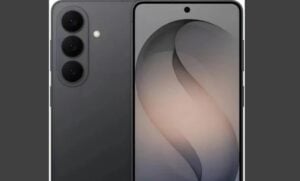
The resistance certified by regulatory bodies covers depths of up to 1.5 meters for a maximum uninterrupted period of thirty minutes. Essa technical characteristic brings the intermediate device closer to the high-end models offered by the same manufacturer on the international market. Improved sealing requires more complex and rigorous assembly processes on Asian production lines.
The implementation of this physical barrier against external elements directly meets the durability requirements stipulated by new European environmental laws. IP68 protection drastically reduces the rate of total loss of devices due to domestic accidents involving water. Authorized assistance should record a drop in the volume of repairs related to plate oxidation and internal short circuits.
Hardware differences between the evaluated versions
The most affordable model in the line also had its characteristics scrutinized by regulators during routine evaluations for commercial release on the continent. Official reports indicate that this version achieved slightly higher energy autonomy in bench tests, recording 53 hours of operation with the same 5,000 mAh cell. Especialistas in hardware architecture explain that this exact one hour difference in battery life is strictly due to the use of less demanding internal components and displays with reduced maximum brightness.
The integration of processors with lower operating frequencies and screen panels with adapted resolutions consume considerably less energy when performing routine tasks. Mechanical stress tests applied by authorities revealed important distinctions in the construction quality of the two planned launches. The top model in the portfolio obtained the highest score in structural robustness tests, which measure resistance to torsions and direct impacts against rigid surfaces, while the economical version showed a statistically lower tolerance to pressure applied to the center of the display.
Technical difficulties in maintenance processes
The drastic increase in the environmental protection standard for smartphones has had direct and inevitable consequences for the repairability indices assessed by European technical commissions. The hermetic closure of the chassis, an industrial procedure strictly necessary to guarantee certification against prolonged submersion, resulted in the awarding of a low score in terms of ease of repair for the brand’s new generation of cell phones. The use of high-strength industrial glues has replaced the old press fittings, changing the way technicians approach dismantling equipment on service benches. Access to key internal components, such as the main motherboard and sealed power module, now requires specific and controlled heating of the glass edges and the use of millimeter-precision tools. Essa complexidade técnica encarece o valor da mão de obra nos serviços autorizados e praticamente inviabiliza a substituição segura de peças por parte de usuários comuns em ambientes domésticos, evidenciando que o aumento da durabilidade externa gera uma dificuldade estrutural maior nos processos de manutenção corretiva.
Commercial positioning and purchasing power
The commercial reception of the new devices will directly depend on the pricing strategy adopted by the manufacturer on physical and digital retail shelves. With the current national minimum wage set at R$1,621, consumers tend to rigorously evaluate the cost-benefit ratio of each technological launch. Official promises of extended durability and improved physical strength serve as essential justifications for financial investment in new mobile communications equipment.
Software optimization and internal cooling
Intelligent cooling protocols have been integrated directly into the operating system of the new devices to prevent overheating during fast charging processes. Essa thermal management technology preserves the internal chemistry of power cells and extends long-term hardware life. Heat dissipation occurs more efficiently due to the new arrangement of components on the main processing board.
The system updates guaranteed by the manufacturer complement the longevity package required by regulatory authorities in the European market. The optimized software works in conjunction with temperature sensors to modulate energy delivery according to the user’s processing needs. Essa integration between operating system and physical parts sets the new quality and security standard for mid-cost smartphones.
Veja Tambem em News (EN)

Research reveals that parents are unaware of how their children use artificial intelligence
Samsung releases new system update with new features for Galaxy Watch 4 users
Digital retail reduces the value of the Galaxy S25 5G smartphone with bank bonuses and device exchange
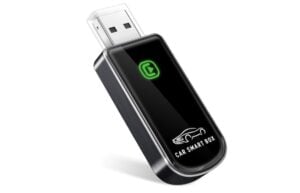
Amazon’s wireless CarPlay adapter has a 50% discount and high approval ratings from drivers

Zach Cregger’s new Resident Evil ignores games and focuses on an unprecedented story with new characters

Rumor suggests that Nintendo is preparing a special edition of the Switch 2 with a remake of Ocarina of Time
Apple accelerates production of the iPhone 17e and develops new Air model with dual camera system

Epic Games platform releases twelve high-budget games at no permanent cost for PC users

PlayStation 5 Pro price drop accelerates digital retail sales and eliminates global stocks

New Galaxy Watch 9 firmware appears on server and confirms progress in software development

Apple’s commemorative project tests cell phone with 1.1 millimeter edge and curved screen for 2027