
Dow Jones futures fall nearly 600 points with oil above $100 and stagflation fears

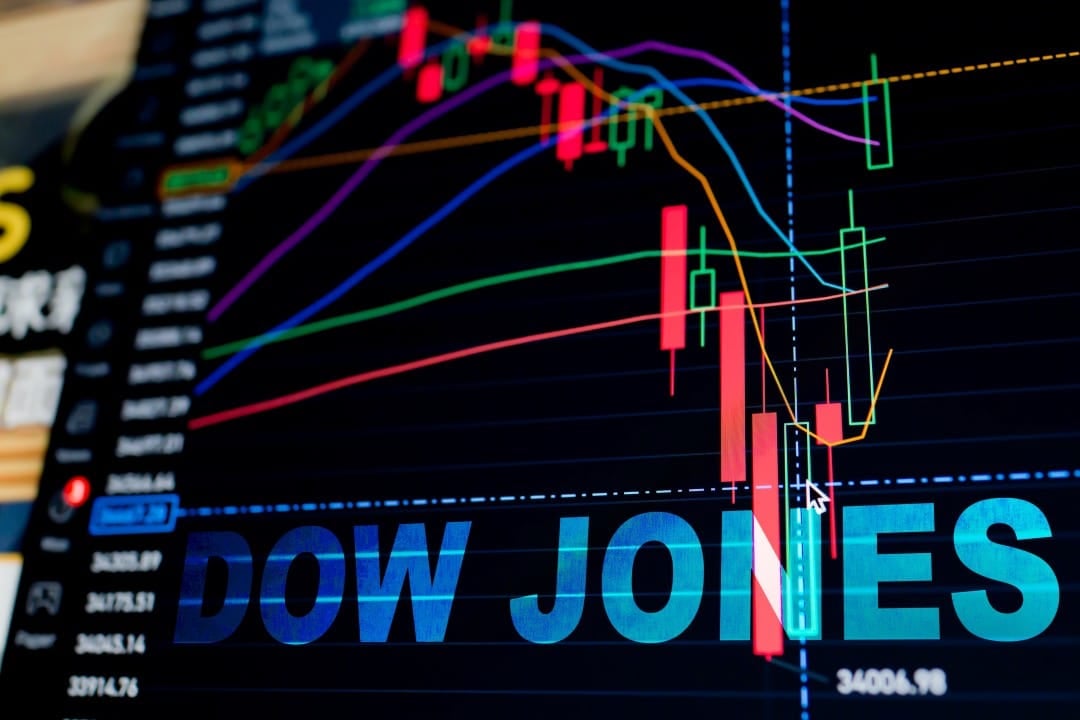
Dow Jones Industrial Average futures fell nearly 600 points at the start of the session on Monday, March 9, 2026, while the price of American oil surpassed US$100 per barrel for the first time since 2022. The commodity’s rise, driven by disruptions in global supply, raised concerns about a scenario of stagflation in the Estados Unidos, marked by accelerated inflation and weakened economic growth. Investors reacted to the risk of persistent inflationary pressures, with the volatility index Cboe surpassing the level of 30, a level not seen since the sharp drop caused by tariffs the previous year.
S&P 500 futures fell 1.1%, while Nasdaq 100 futures posted similar losses. West Texas Intermediate oil advanced 13% and reached around US$ 103 per barrel overnight, with peaks close to US$ 105. Brent, an international reference, followed a similar trajectory. The movement reflects interruptions in the Estreito and Ormuz, a crucial route for oil transport, affecting exports from producers in the Oriente Médio.
Disruptions in Estreito of Ormuz pressure production
Main producers in the region drastically reduced extraction due to the effective blockage of the passage. The Kuwait announced production and refining cuts, citing threats to safe navigation. The Iraque recorded a drop of around 70% in its pumping capacity, forcing stoppages in important fields.
These measures resulted in an accumulation of stocks and halted shipments. Tankers remained anchored at Golfo Pérsico, without transiting the essential route that accounts for a significant portion of global maritime oil trade.
Prices partially retreat with G7 signaling
Oil prices eased from session highs after a report indicating that G7 authorities are evaluating the coordinated release of strategic reserves. The discussion involves up to 400 million barrels, coordinated by Agência Internacional of Energia, to mitigate the supply squeeze.
This possibility led to a partial recovery in stock futures, which reduced initial losses of more than a thousand points on the Dow. The market monitors the meeting of ministers of the group’s Finanças to assess the volume and timing of the eventual release.
Sensitive sectors react to economic risk
Shares in the financial and industrial sectors led the initial declines, reflecting fears of an economic slowdown caused by the energy boom. Empresas dependent on fuel and transportation costs face pressured margins.
Defense and energy sectors registered the only gains in the session. The appreciation reflects expectations of greater demand for military equipment and benefits for producers with already high stocks.
Political commentary and analyst perspectives
President Donald Trump stated that the temporary increase in oil prices represents a low cost to eliminate the nuclear threat from Irã. Ele highlighted that values must retreat quickly with the resolution of the conflict.
Analysts warn of similarities with shocks from the 1970s. A prolonged scenario of high oil prices could complicate the double mandate of the Federal Reserve, between controlling inflation and supporting employment. Apesar Of the concerns, some experts remain optimistic that they will be resolved within weeks, preserving prospects for technology-driven growth.
Recent market context
Oil rose more than 35% last week, the biggest weekly gain since futures contracts began in 1983. The Dow Jones registered a drop of around 3% in the period, the worst since April of the previous year.
The S&P 500 and Nasdaq Composite closed the week with drops of 1.2% and 2%, respectively. The conflict in the Oriente Médio continues with no clear signs of abating, with the recent appointment of Mojtaba Khamenei as the new supreme leader of the Irã.
Volatility persists at Wall Street
The volatility index remained high, indicating a search for protection via options. Investidores adjust positions in the face of uncertainty about the duration of disruptions in the energy supply chain.
The dollar gained strength as a safe-haven asset, while bond yields retreated amid the flight to safety. Global Mercados monitor additional economic indicators to calibrate impacts.



