
European retailer leaks full specifications of POCO X8 Pro Max with 8500 mAh battery

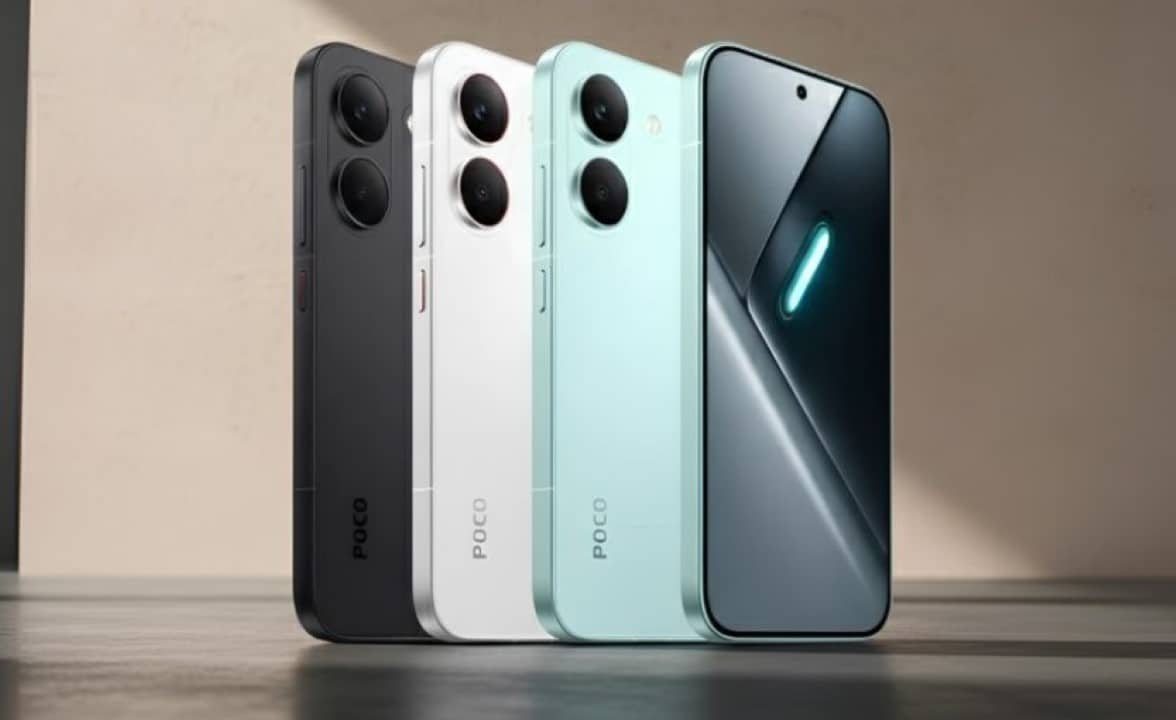
A publishing error on a retail platform on Europa brought forward the unveiling of one of the most anticipated mobile devices in the technology sector. The product page, posted before the official announcement, exposed the complete design and internal components of a new high-performance device aimed at the global market.
The accidentally released material confirms the manufacturer’s strategy of focusing on extreme energy autonomy and advanced processing. The main objective is to attract highly demanding consumers, who need devices capable of withstanding long periods of use without the need for frequent connection to sockets.
The highlight of the leak falls on the device’s power system, which sets new parameters for the contemporary mobile phone industry. The integration of a cutting-edge processor, combined with an unusual load capacity by current standards, suggests a direct focus on corporate users, professionals working in the field and video game enthusiasts who demand maximum continuous performance in their daily activities.
Detailed information on the retailer’s page describes robust technical specifications, including an extremely high-resolution screen, a camera system optimized for low-light environments and a physical structure reinforced with military certifications for resistance against water and dust.
Advanced screen architecture and visual protection
The front panel of the equipment features a 6.83-inch OLED screen, specifically developed to deliver professional-level color accuracy and extreme fluidity in the operating system’s animations. The 1.5K resolution guarantees absolute clarity for reading fine texts and viewing high definition media. The refresh rate of 120 Hz provides immediate responses to the user’s physical touches on the glass surface, ensuring agile navigation in all software interfaces.
The display engineering includes an extraordinary peak brightness of 3,500 nits, a rigorous technical specification that ensures perfect legibility of information even in direct sunlight and harsh outdoor environments. Para To mitigate visual fatigue during prolonged use of the equipment, the manufacturer has implemented 3,840 Hz PWM dimming technology. Este feature eliminates imperceptible screen flickering at low light levels, protecting the eye health of consumers who use the device intensively at night or in dark rooms.
Processing performance and thermal control
The operational core of the device is controlled by the MediaTek Dimensity 9500 chipset, a processing platform built on advanced lithography. Este component is designed to directly rival the most expensive hardware on the mobile technology market, offering raw performance capable of handling complex artificial intelligence tasks and heavy graphics rendering.
This processor works together with an advanced liquid cooling system, structured with a large surface vapor chamber. The technology quickly dissipates the heat generated during high computational demand tasks, preventing a drop in thermal performance and ensuring that the device maintains its maximum speed constantly during uninterrupted sessions of heavy applications.
To complement the power of the central processor, the device’s motherboard houses up to 16 GB of LPDDR5x Ultra RAM and 512 GB of internal storage in the fast UFS 4.1 standard. Essa cutting-edge hardware configuration enables reading and writing data at extreme speeds, drastically reducing load times for complex software and facilitating instant switching between dozens of applications open simultaneously in the background.
Photographic capacity and light capture
The rear photography module is led by a 50-megapixel main sensor equipped with Light Hunter 600 technology.
The secondary lens consists of an 8-megapixel ultra-wide-angle sensor, specifically intended for capturing wide landscapes, architectural photographs, and large groups of people. Color calibration between the two rear lenses has been rigorously improved to maintain visual consistency of captured material.
On the front of the body, the device houses a 20-megapixel camera configured specifically for high-clarity video calls and detailed self-portraits. Image signal processing integrated into the main chipset digitally optimizes skin tones and automatically adjusts facial exposure.
The camera software includes advanced algorithms that operate in real time to correct optical distortions and improve the dynamic range of images. The integration of artificial intelligence allows instant scene recognition, adjusting capture parameters to deliver the best possible result without the need for manual user intervention.
Energy autonomy and recharging protocols
The most striking and talked about specification of the leak is the integration of an 8,500 mAh battery cell, a volumetric capacity rarely seen in thin devices aimed at the standard end consumer. Este large amount of power is designed to sustain multiple days of moderate use or a full day of uninterrupted use under maximum network and video processing load. O sistema de alimentação suporta carregamento rápido com fio de 100W, uma tecnologia avançada capaz de restaurar a bateria massiva do dispositivo em um intervalo de tempo significativamente reduzido. Dedicated voltage Controladores within the chassis continuously monitor temperature during recharging to ensure long-term chemical cell life is preserved. Além of fast wired charging, the device offers structural support for 27W wireless charging, adding an extra layer of convenience for users who use inductive charging bases on office desks, bedside tables or vehicle consoles. The reverse charging technical function is also present in the board’s circuitry, allowing the device to act as a portable external battery to transfer power to wireless headphones, smart watches or even other mobile phones that are out of charge in everyday emergency situations.
Structural strength and durability certifications
The device’s external casing has been certified with the strict IP68 and IP69K ratings, attesting to its total protection against the ingress of microscopic dust and resistance to prolonged submersion in fresh water. IP69K certification adds an extra layer of industrial safety by ensuring the device withstands high-pressure, high-temperature water jets, making it widely suitable for heavy-duty work environments or extreme outdoor weather conditions. The audio delivery system is comprised of dual stereo speakers with native support for Dolby Atmos decoding technology, creating an immersive three-dimensional soundstage for audiovisual media consumption. The manufacturer introduced a software amplification mode that increases the system volume by up to 300% without distortion of the medium and high frequencies.
Network connectivity and native operating system
The equipment’s wireless communication is guaranteed by the presence of the modern Wi-Fi 7 protocol, which offers wider radio bands and lower network latency for massive file downloads and continuous stability in cloud server connections. The Bluetooth 5.4 chip ensures instant pairing with external peripherals and drastically reduced power consumption during high-fidelity audio transmission. The connectivity hardware also includes a dedicated NFC chip for contactless payments at bank terminals and validation of encrypted digital identities, as well as an infrared emitter positioned at the top of the chassis.
The device leaves the factory running the POCO HyperOS 3 system, a proprietary interface built based on the Android 16 source code.
Positioning in the global technology market
Recent records found on the Geekbench hardware testing platform corroborated the accidental leak from the European store, showing raw performance scores that put the device on the same processing level as today’s most expensive mobile devices. The device’s documented presence in international certification databases indicates that hardware development has been fully completed and mass production in Asian factories is already in advanced progress.
The official presentation of the product on the technology market is scheduled for March 17th, when global prices and availability in regional markets will finally be confirmed by the manufacturer responsible for developing the hardware. The commercial strategy behind this specific launch aims to capture the segment of global consumers who demand top-of-the-line specifications for work and entertainment, but categorically refuse to pay the inflated prices charged by traditional brands in the premium segment.




