
Galaxy S26 Ultra advances in night photos but iPhone 17 Pro maintains leadership in DxOMark

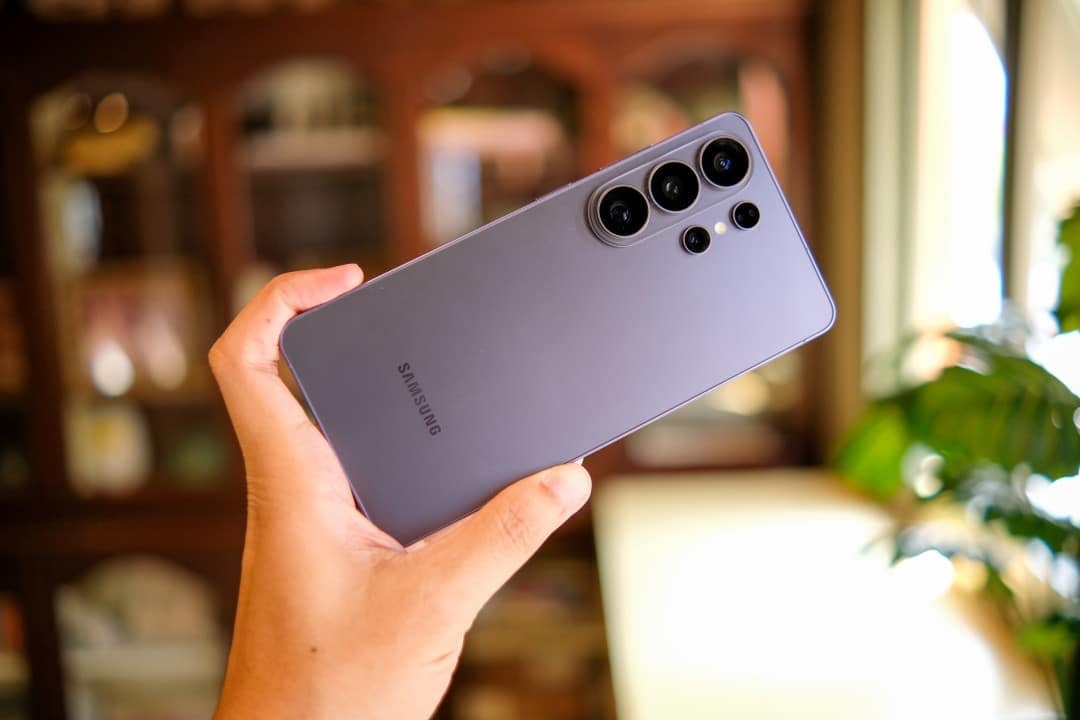
The DxOMark laboratory has released an initial analysis of the photographic performance of the Samsung Galaxy S26 Ultra compared to the Apple iPhone 17 Pro. The Samsung model presents notable improvements over its predecessor, especially in capturing details and reducing noise in low-light environments. Apesar of advancements, the iPhone 17 Pro maintains a slight edge in overall consistency, autofocus, and processing in challenging situations.
The review highlights that the Galaxy S26 Ultra captures more light thanks to the f/1.4 aperture on the 200 MP main camera, which represents around 47% more compared to the previous generation. Isso results in cleaner images at night and more natural skin tones. The zoom system has also evolved with the new ALoP design on the 50 MP periscopic lens and 5x optical, producing more rounded and pleasing bokeh.
- The 50 MP ultra-wide maintains f/1.9 aperture for consistent wide angles.
- The 10 MP telephoto lens with 3x optical continues at f/2.4 for intermediate portraits.
- The set offers versatility in different zoom ranges, with stable quality.
Galaxy S26 Ultra Camera Specifications
The rear assembly of the Galaxy S26 Ultra maintains a similar structure to the previous model, with a focus on key updates. The 200 MP main camera now operates with a larger aperture, improving low-light performance. The 5x lens adopts technology that compresses the optical module and changes the shape of the background blur.
These changes aim to balance light capture and optical quality. The increase in minimum focusing distance on the long-range tele reaches about 52 cm, which can limit accurate close-ups on this lens. Image processing continues to rely on ProVisual Engine to optimize details and noise.
Advantages observed in the iPhone 17 Pro
The iPhone 17 Pro excels in complex scenarios, with more reliable autofocus when detecting faces. Portrait mode photos feature superior segmentation and fewer artifacts at the edges of objects. In low light conditions, the Apple model preserves slightly better sharpness and better controls noise.
Overall image consistency favors the iPhone 17 Pro in varied tests. The balance between exposure, colors and dynamics contributes to predictable results in different environments. Video also maintains strong performance, with effective stabilization.
Portrait and low light improvements on the Galaxy S26 Ultra
The Galaxy S26 Ultra shows clear progress in portrait mode, with more balanced processing and effective noise reduction. Tons of skin becomes natural, especially in night scenes. Detalhes appear preserved in moderately zoomed photos.
Despite this, some challenges persist. Autofocus occasionally fails to detect faces accurately. Artefatos appears at the edges during portraits in difficult situations. Low light performance improves, but does not surpass the direct competitor.
Comparison in zoom and versatility
The Galaxy S26 Ultra’s dual telephoto system delivers strong results across multiple zoom ranges. Quality remains consistent between 3x and 5x optical, extending digitally to high levels. The iPhone 17 Pro delivers sharpness in complex scenes, but the Samsung preserves more detail at certain zooms.
Versatility benefits users who switch between wide and close-up shots. The new optical design contributes to natural bokeh in distant portraits. The tests indicate general balance, with small differences by category.
Partial conclusion of DxOMark analysis
The Galaxy S26 Ultra represents a significant advancement over the previous model in night photography and portrait rendering. Hardware and software updates bring tangible benefits. The iPhone 17 Pro continues to lead in consistency and accuracy in challenging conditions, maintaining a narrow lead.
DxOMark’s full evaluation should bring final scores and detailed comparisons in the coming days. Initial results position the iPhone 17 Pro with an advantage in overall image quality.




