
Google releases Pixel Drop update with autonomous agents and announces the arrival of Pixel 10a

A gigante da tecnologia baseada em Mountain View iniciou a distribuição de um pacote de software que redefine a usabilidade dos dispositivos móveis. The March update transforms devices into tools capable of performing tasks independently. The company’s main focus is on implementing intelligent agents that operate directly in the operating system.
Deep integration of artificial intelligence allows the device to take control of routine actions. The manufacturer’s advanced language model is no longer limited to answering questions or writing texts, but acts as a true digital manager. Essa structural change aims to reduce the time people spend navigating complex menus.
Developers have established three fundamental pillars for this new phase of mobile computing:
– Execução standalone commands in third-party applications.
– Compreensão contextual of the user’s environment.
– Processamento data location to ensure information privacy.
The package of new features marks the end of the era of passive virtual assistants. The transition to a proactive model requires considerable processing power, which justifies the recent hardware updates promoted by the company to support the operational load required by the new algorithms.
New operating dynamics with autonomous agents
The intelligent agent system is initially in the testing phase for the brand’s most recent models. The technology can open shopping apps, search for specific products, add items to the cart and complete financial transactions without manual intervention. The process occurs fluidly, with artificial intelligence simulating the touches on the screen that a human would make.
In addition to e-commerce, the tool demonstrates its usefulness in urban mobility and food. The software can coordinate the scheduling of transport vehicles per application, analyzing routes and fares in real time. Da in the same way, you can place food orders on delivery platforms, respecting the food preferences previously registered in the consumer’s profile.
The manufacturer has implemented a strict security mechanism to prevent unwanted actions. The system requests biometric confirmations before completing any payment or sending sensitive information. Absolute control remains in the hands of the device owner, who can stop the automation at any time through a voice command or physical button.
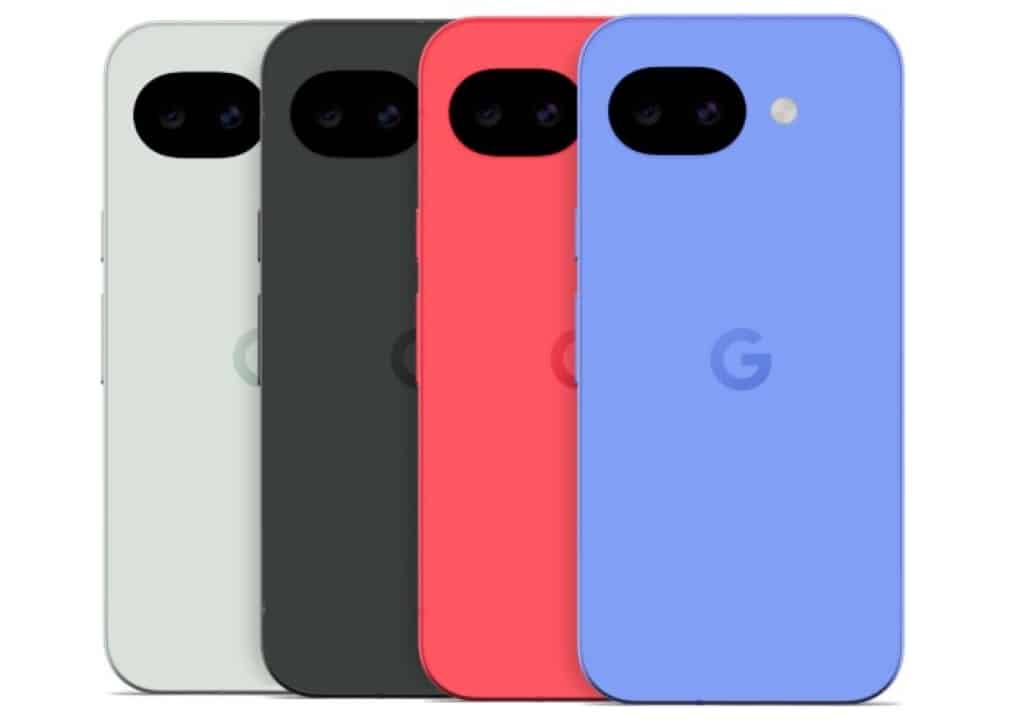
Official launch of the Pixel 10a smartphone
Along with software innovations, the global market receives a new hardware option aimed at the premium mid-range segment. The new mobile device is equipped with the Tensor G4 processor, the same component used in the most expensive models in the line. The 6.3-inch Actua display features a peak brightness of 3000 nits, ensuring perfect visibility even in direct sunlight. Essa display configuration represents a significant leap compared to previous generations, bringing the device closer to the standards demanded by the most demanding consumers in the mobile technology sector.
The equipment also inherits emergency communication capabilities via satellite, a functionality previously restricted to top-of-the-line devices. Essa capability allows sending distress messages in areas without traditional cellular network coverage. The manufacturer’s strategy consists of democratizing access to cutting-edge tools, forcing the competition to raise the level of technical specifications in more accessible price ranges. The design maintains the brand’s characteristic visual identity, with improvements in ergonomics and the resistance of the materials used in the product’s housing.
Battery autonomy and recharge speed
Power management received special attention in the development of new hardware. The device houses a battery with a capacity of 5100 mAh, optimized to support the continuous processing load required by artificial intelligence.
Under normal conditions of use, which include internet browsing, media consumption and messaging, the manufacturer guarantees more than 30 hours of uninterrupted operation. Thermal control software works in the background to prevent overheating during intense tasks.
For extremely necessary situations, the device has maximum economy mode. Quando activated, this setting restricts the operation of secondary applications and reduces processor performance, extending autonomy for up to 120 hours away from the socket.
The energy replenishment speed also sees substantial improvements. The system supports fast charging of up to 45W, allowing the battery to recover half of its total capacity in approximately 30 minutes of connection to the mains.
Advanced visual search and context awareness
The ability to identify elements in images has undergone a profound overhaul. The visual search engine can now process multiple objects simultaneously within the same photograph. A consumer can point the camera at a group of people and obtain detailed information about the items of clothing and accessories that each individual is wearing, with direct links to online stores that sell similar or identical items.
Integration with messaging applications occurs through the Magic Cue functionality. The feature analyzes the context of conversations and automatically suggests relevant actions. If two friends discuss dinner, the system extracts the information from the chat, locates the restaurant on the map, checks the opening hours and offers a quick button to make the reservation, eliminating the need to switch between different applications to complete the task.
Smart filter for calls and data security
Protection against unwanted communications reaches a new level with the update to the phone call filter. The system uses local artificial intelligence to analyze voice patterns and identify potential fraud or extortion attempts in real time. When receiving a call from an unknown number, the digital assistant answers the call, talks to the caller in a natural way and transcribes the conversation on the device’s screen. The phone owner can follow the text dialogue and decide whether to take over the line, classify the contact as unwanted, or request that the assistant end communication immediately. Todo this processing occurs physically on the device’s Tensor chip, without audio recordings being sent to external servers. Essa decentralized architecture guarantees the confidentiality of conversations and protects personal data against interception. Adicionalmente, the operating system introduces an adaptive display mode that gradually reduces brightness and changes the color temperature of the screen in dark environments, minimizing eye strain when reading long transcripts at night.
Artificial intelligence-guided interface customization
The aesthetics of the operating system gain customization tools driven by generative algorithms. The software offers the creation of unique visual themes based on brief textual descriptions provided by the individual. Artificial intelligence generates unique wallpapers and harmonizes the colors of icons, menus and buttons according to the chosen background image. Home screen information panels become dynamic, changing the content displayed based on the time of day, current location and appointments recorded in the calendar, delivering accurate data at the exact moment it is needed.
Ecosystem expansion and market availability
The implementation of these innovations occurs in a staggered manner to ensure the stability of the software ecosystem. The release of the update package follows a regional schedule, with the new features being gradually delivered to compatible devices over the next few weeks automatically.
The corporate strategy focuses on transforming the mobile device into a proactive platform, capable of anticipating the daily needs of those who use it. The focus on local processing and routine automation reinforces the search for technical efficiency, establishing new operational parameters for the telecommunications and intelligent hardware industry on a global scale.




