
Japanese dealership warns of closures on Tomei and Hokuriku highways due to severe snowfall

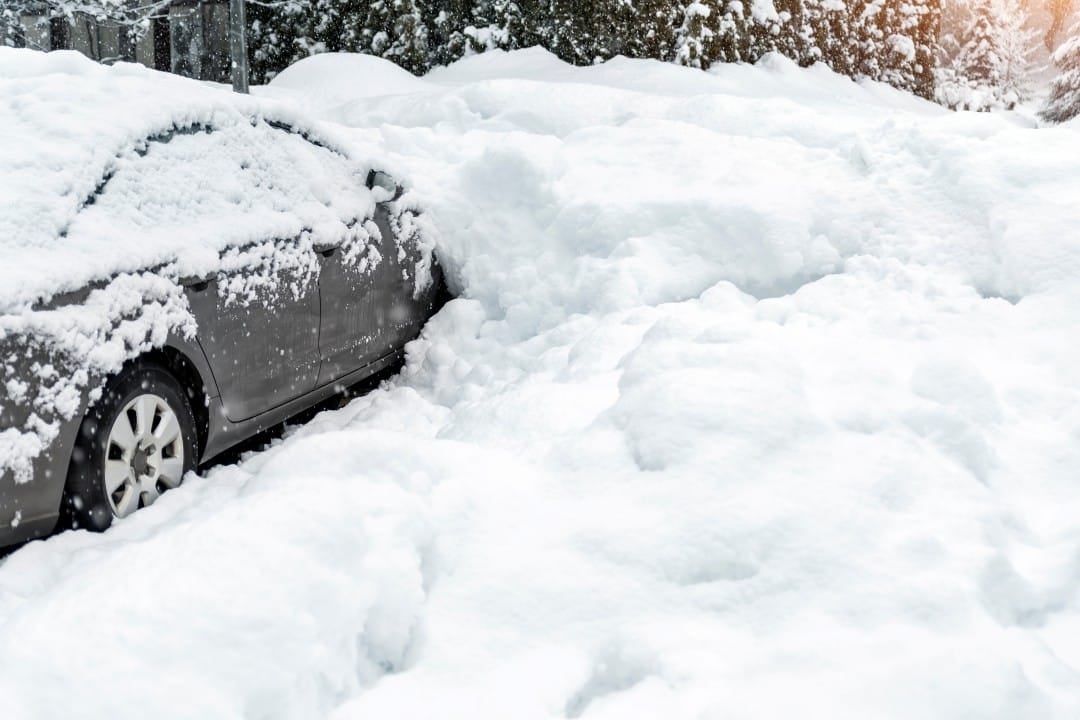
Central Nippon Expressway confirmed the approach of an intense cold front that will bring significant snowfall to the central region of Japan. The weather event will directly affect trafficability between the early hours of March 6th and the end of March 8th, requiring the activation of emergency protocols. Local traffic authorities mobilized emergency response teams to operate on routes most vulnerable to ice accumulation. The main objective of the operation is to maintain the minimum fluidity necessary for essential services and avoid large-scale accidents during the period of atmospheric instability, guaranteeing the physical integrity of drivers who need to travel.
Meteorological monitoring and preventive actions on Japanese roads
The displacement of cold air masses over the Japanese archipelago was mapped by meteorological services, indicating a sudden drop in temperatures in a short space of time. The concessionaire responsible for managing the roads structured an operational plan focused on mitigating risks, positioning heavy machinery at strategic points on the road network. Profissionais technicians were assigned to support bases near the highest altitude sections, where the probability of rapid runway freezing is considerably greater than in the plains and coastal areas.
The containment strategy involves the preventive spreading of chemical antifreeze agents and coarse salt even before the onset of the heaviest rainfall. Painéis variable message electronics were reprogrammed to issue real-time alerts about visibility conditions and the adhesion of the pavement to the tires. Direct communication with users seeks to discourage non-essential travel during the peak of the weather phenomenon, reducing the volume of traffic in areas under maximum alert and facilitating the work of maintenance teams.
Strict requirements for the circulation of heavy and light vehicles
The local highway police will intensify inspections at main access points to ensure strict compliance with winter safety regulations. Veículos passenger and cargo trucks will undergo rapid inspections at checkpoints established along routes affected by the storm.
The check includes checking the condition of snow tires and the proper functioning of the car’s internal heating systems. Motoristas that do not present the technical specifications required to operate under adverse weather conditions will be immediately prevented from continuing their journey.
This rigorous screening is treated as a fundamental measure to prevent unprepared cars from sliding and blocking the lanes. A single vehicle crossed on the road can paralyze the logistics of an entire province for hours at a time, damaging regional flow.
Geographic hazards in mountainous areas and formation of black ice
The topography of Rodovia Hokuriku presents complex natural challenges due to its extensive mountain sections, historically known for retaining large volumes of snow. The strong winds predicted for the region could generate sudden white storms, reducing drivers’ spatial awareness just a few meters away.
High-resolution cameras were recently installed to monitor the level of snowflake deposition in real time along the route. The images generated help traffic engineers make decisions about preventive closures of tunnels, bridges and viaducts exposed to lateral winds.
At Rodovia Tomei, the danger is concentrated in internal connections and elevated structures built in concrete and metal. In specific locations, moisture quickly freezes, forming the phenomenon known as black ice, a thin and practically invisible layer on the asphalt that eliminates tire traction.
Inspection teams will carry out round-the-clock rounds in these critical sectors to apply additional layers of protective substances. Early identification of these weather traps drastically reduces the rate of rear-end collisions and lane departures during the early hours of the morning.
Safety guidelines and mandatory use of tire chains
The installation of metallic or synthetic chains on traction tires is mandatory in perimeters marked in red on the dealership map. Drivers must place equipment only in designated setback areas, never on the shoulder of expressways, to avoid being run over.
Authorities recommend that travelers maintain a following distance three times greater than that practiced on dry days with good visibility. Além In addition, official guidance requires occupants to carry basic survival items inside the cabin in case of prolonged retention.
The emergency kit suggested by traffic authorities includes the following essential items: – Mantas thermal pads for retaining body heat. – Lanternas with extra batteries for night signaling. – Alimentos non-perishables and drinking water. – Cabos for battery charge transfer and portable paddles.
Changes in logistics flow and delays in cargo transport
Road transport of goods between provinces connected by these arteries will suffer intermittent interruptions throughout the 72-hour weather alert. Empresas from the logistics sector received official notifications to readjust their delivery schedules and seek alternative routes along the coast whenever geography allows.
Passage priority will be granted exclusively to fleets transporting hospital supplies, fuel and perishable food essential for urban supply. Local commerce and industrial distribution will need to reorganize their short-term inventories to deal with the delay in the arrival of components and finished products.
Rescue protocols and emergency closure of critical sections
When the intensity of the snowfall exceeds the safety limits established by road operation manuals, total lane closures will occur without prior notice to users who have not yet entered the road system. Este procedimento drástico visa proteger a integridade física dos condutores e liberar espaço para que as máquinas limpa-neves de grande porte operem em velocidade máxima, sem a interferência de veículos civis no trajeto. Caso If a driver is stuck in a snow bank while traveling, the official instruction is to remain inside the passenger compartment, activate the hazard lights immediately and contact the dealership’s emergency center. Tentar manually unclogging the wheels under extreme negative temperatures and strong winds exposes the individual to severe risks of hypothermia and being run over by other out-of-control vehicles. The specialized rescue team will travel through the blocked sections following an order of priority based on the severity of each occupant’s situation, with radio communication being the main tool for coordinating the rescue teams.
Technology applied to predict asphalt freezing
The operational control center uses a network of thermal sensors embedded in the asphalt layer to calculate the exact dew point at different altitudes. The collected data is processed by an intelligence system that cross-references the information with wind speed and local relative humidity. Esta Automation allows maintenance trucks to be dispatched minutes before ice solidifies on the road, ensuring a proactive response.
Ongoing maintenance and clearing of roads after the storm ends
Surveillance over the road network will be maintained uninterruptedly even after the official end of the weather alerts scheduled for March 8th. The period of melting ice brings new operational risks, such as the sliding of wet slopes and the fall of snow blocks accumulated on signposts and toll gates. Geólogos and civil engineers will carry out detailed technical inspections along the adjacent slopes to confirm the stability of the terrain before authorizing the full reopening of the lanes for regular traffic.
Central Nippon Expressway’s commitment is to restore normal vehicle flow in the shortest possible time, without compromising the safety standards required by strict Japanese traffic legislation. A detailed assessment of the pavement will be conducted in the following weeks to identify and repair cracks caused by extreme thermal expansion and constant friction from metal chains used by trucks. Transparency in the disclosure of traffic conditions will continue to be provided through official portals, panels on highways and mobility applications integrated into vehicle navigation systems.




