
King Charles meets Commonwealth leaders in London during crisis in the British line of succession

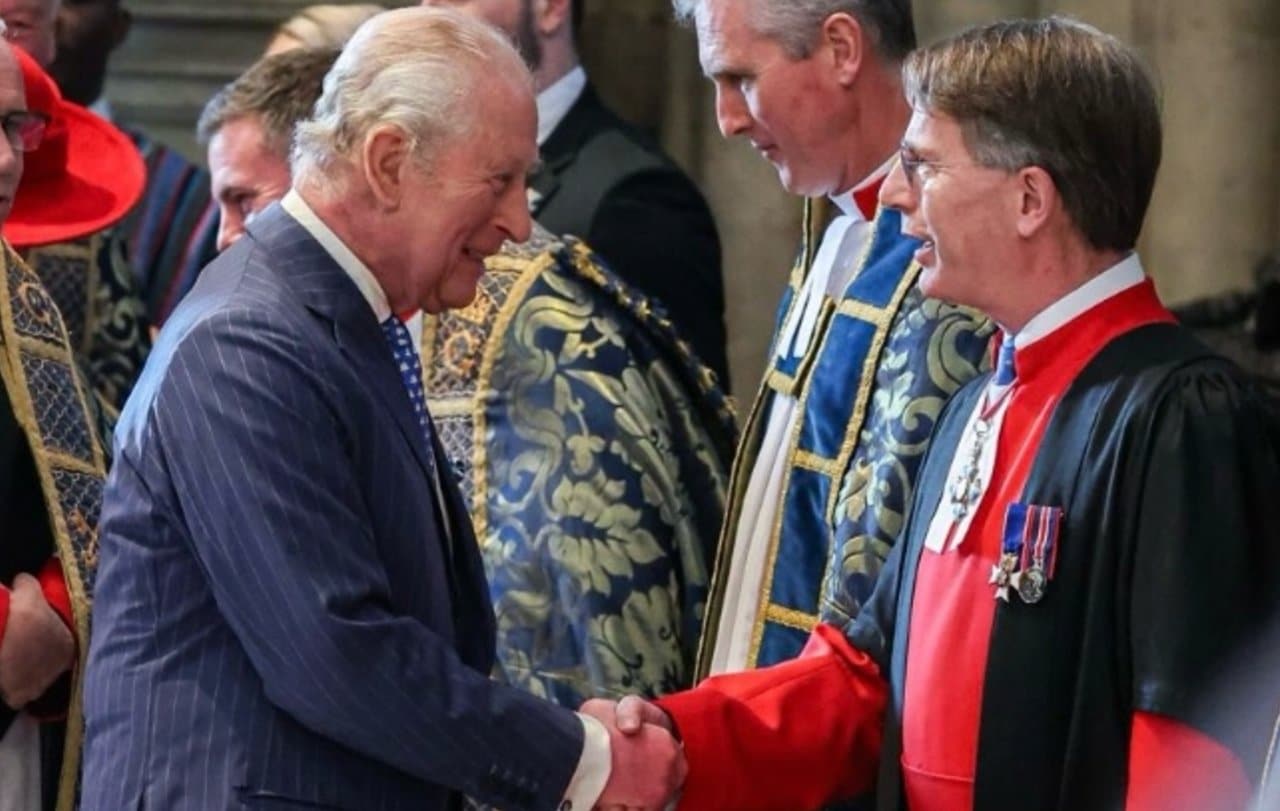
On Monday morning, Abadia of The official event brought together more than 1,800 guests from different parts of the world, including heads of Estado, political leaders, diplomatic representatives and members of royalty. Durante the ceremony, King Charles III delivered a central message focused on the need for unity, highlighting shared values such as justice, democracy and compassion. The monarch’s speech occurred at a time of global complexity, permeated by geopolitical conflicts, climate emergencies and rapid social transformations that affect the organization’s 56 member countries. The massive presence of authorities reinforced the diplomatic nature of the occasion, which seeks to maintain cohesion between the nations that make up the intergovernmental bloc.
The ceremony was unprecedented as it was the first major joint appearance by the royal family since the arrest of Andrew Mountbatten-Windsor, which took place in February this year. The Duke of York was arrested on suspicion of misconduct in public office, as part of investigations linked to documents from the Jeffrey Epstein case.
In addition to King Charles III, the event saw the active participation of Queen Camilla, the prince and princess of Gales, and princess Anne. The coordinated presence of senior members sought to convey an image of institutional stability to international representatives and the British public.
Public demonstrations and surrounding security
Outside the abbey gates, the celebratory atmosphere contrasted with the mobilization of activist groups who organized protests during the guests’ arrival. Integrantes from the Republic movement, which defends the transition from Reino Unido to a republican model, strategically positioned themselves with banners and posters.
The messages displayed by the protesters openly questioned the monarchical institution’s level of knowledge about Andrew Mountbatten-Windsor’s past associations with financier Jeffrey Epstein. The protests took place peacefully, but required strong policing in the central region of the English capital.
The British monarch maintained a strictly protocol posture when he disembarked at the location, ignoring the demonstrations while he was received by religious authorities. Londres metropolitan security cordoned off the perimeter to ensure the continuous flow of foreign delegations and royals.
Speech focuses on international cooperation
The king’s official message, distributed printed in the order of service to all present, described the Commonwealth as a family of nations capable of acting as a global stabilizing force. The text emphasized that mutual collaboration is the only viable way to face growing pressures arising from territorial disputes and environmental degradation.
The statement was in full alignment with the central theme of this year’s event, which prioritized the promotion of economic partnerships and investments aimed at shared prosperity. The organization’s secretary general, Shirley Ayorkor Botchwey, endorsed the monarch’s words in her intervention, reiterating the bloc’s commitment to sustainable development.
Cultural diversity marks the presentations
The programming of the multi-religious service was structured to reflect the demographic plurality of member countries, incorporating artistic elements from different continents. The ceremony included readings of sacred texts, interreligious prayers and musical performances that deviated from the strictly classical European standard.
Well-known figures among the general public took on prominent roles in leading the readings, including Geri Halliwell-Horner, ambassador of Royal Commonwealth Society, and dancer Oti Mabuse. The participation of media personalities sought to bring the institution’s message closer to younger generations.
The musical aspect of the event included the performance of traditional instruments, such as the Caribbean steel pan, as well as choreographies performed by students from Royal Ballet School. Cantores contemporaries, such as Indigo Marshall and Tarju Le’Sano, were also part of the list of artists invited to the celebration.
One of the moments of greatest artistic highlight was the world premiere of a new composition signed by musician Rekesh Chauhan. The work was commissioned specifically for the occasion and symbolized the fusion of Western and Eastern sound traditions present within the intergovernmental bloc.
Political pressure on the succession order
Behind the diplomatic scenes of the event, discussions about the structure of the monarchy gained traction, especially with regard to the position of Andrew Mountbatten-Windsor, who currently occupies eighth place in the line of succession to the throne. Chefes government of influential nations within Commonwealth took advantage of Londres’s visit to articulate a joint position on the issue. The Prime Minister of Canadá, Mark Carney, Australian leader Anthony Albanese and New Zealand Prime Minister Christopher Luxon have signaled diplomatic support for the formal removal of the Duke of The movement of these leaders reflects a concern with the image of the leadership of Estado in their respective countries, where King Charles III still acts as constitutional sovereign.
The implementation of a change in the British line of succession, however, faces a highly complex and time-consuming legislative process. The change would require the passage of specific laws not only in the parliament of Reino Unido, but also simultaneous ratification in the legislative bodies of the 14 kingdoms of Commonwealth that maintain the monarch as head of Estado. As political pressures increase, Andrew Mountbatten-Windsor’s defense team continues to vehemently deny any wrongdoing or criminal conduct in its relationship with Epstein, pending developments in the ongoing legal process.
Demographic structure and relevance of the block
The contemporary Commonwealth represents one of the largest intergovernmental blocs on the planet, encompassing 56 independent nations that are home to a combined population of more than 2.7 billion individuals, which is equivalent to about a third of humanity. The organization, which evolved from the ancient structures of the British Empire, today operates under the premise of equality among its members, regardless of territorial size or economic power. The British Prime Minister, Sir Keir Starmer, was present in the front row of the abbey, highlighting the strategic importance that the Reino Unido government continues to attribute to the alliance. Para In addition to diplomatic issues and recent scandals involving the royal family, the bloc maintains active technical cooperation, trade facilitation and educational exchange programs. The ability to bring together leaders from advanced economies and developing nations in the same forum gives the organization a unique platform for negotiating multilateral agreements and formulating joint climate mitigation policies.
Historical symbolism of the chosen location
Abadia of Westminster has served as the official setting for this specific religious service since 1972, consolidating itself as the epicenter of the great ceremonies of The building’s Gothic architecture provided a historical backdrop that contrasted with modern discussions about governance, transparency and the future of the monarchical institution itself.
Opening and closing protocols
The opening rite of the ceremony was marked by the traditional procession of the national flags of all 56 member countries, carried along the central nave by young citizens selected by their communities. Este visual act sought to materialize the concept of equality and mutual respect defended in the sovereign’s official speech.
At the end of the service, the royal family left the place under tight security, ending the official engagement without interacting with the press or protesters. The event fulfilled its protocol agenda, highlighting the crown’s attempt to maintain institutional normality amid a period of intense public and legal scrutiny.



