
New open-world RPG Crimson Desert hits the global market with a focus on single-player campaign

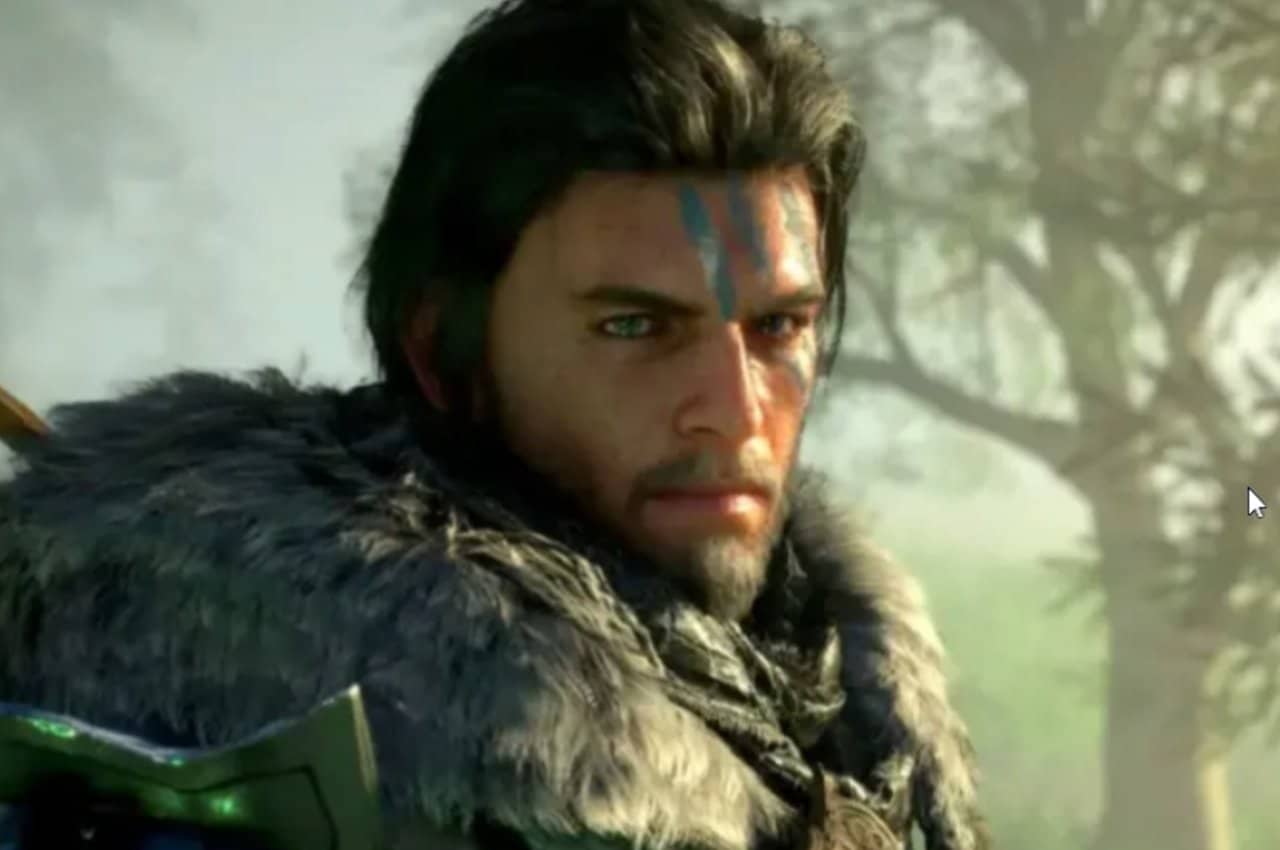
The long-awaited action RPG title Crimson Desert made its official debut on the global electronic games market on March 19, 2026. Production reached the coveted gold development stage in January, ensuring compliance with the schedule established by the company for physical and digital distribution in all regions.
The central premise puts players in control of Kliff, the commander of the mercenary group known as Greymanes. The narrative unfolds across the vast and diverse continent of Pywel, offering a strictly single-player focused experience. Esta approach moves the title away from the massive online multiplayer mechanics that have established the developer’s previous works, directing technical and creative efforts towards building a dense, immersive story with a well-defined beginning, middle and end.
Even before the official release of the servers, the software was already accumulating significant numbers on digital distribution platforms. Official records indicate that more than two million users have added the product to their wish lists. Esse volume de interesse reflete a forte campanha de marketing e as demonstrações técnicas que evidenciaram o potencial gráfico e mecânico da obra ao longo dos últimos meses, consolidando a marca como uma das grandes apostas da indústria do entretenimento para o ano vigente.
Project transition and proprietary technology
The original conception of Crimson Desert envisaged that the game would function as a direct prequel to the popular MMORPG Black Desert Online, sharing the same universe and chronology. However, during the production cycle, the directors chose to transform the idea into a completely independent intellectual property. Essa change of route allowed the team of writers and designers to abandon the restrictions inherent to massive online games, focusing resources on crafting a linear narrative campaign that coexists with the freedom of an expansive open world. The process involved the complete restructuring of the non-playable characters’ artificial intelligence, ensuring realistic reactions to the protagonist’s actions.
To support this new vision, Pearl Abyss employed its proprietary graphics engine, called BlackSpace Engine. The tool was specifically designed to handle rendering scenes of continental proportions without the need for loading screens. The use of this unique technology ensures seamless integration between cinematic animation sequences and direct control moments, maintaining the level of visual detail in both character models and complex environmental elements. Motion capture was widely used to record facial expressions and fight choreography, giving the work a realistic tone.
Continued exploration across the vast continent of Pywel
The adventure’s main setting, the continent of Pywel, acts as a dynamic and interconnected virtual ecosystem. The map is home to a wide variety of biomes, ranging from icy plains and rugged mountains to dense forests and unforgiving deserts, all drawn with a high level of geographic fidelity.
Moving around the environment was designed to offer maximum freedom to users. The game systems allow you to climb practically any rocky surface, glide for long distances from high points and use different types of mounts, including monstrous creatures tamed during the journey.
Side activities complement the main exploration in an organic and rewarding way. The protagonist can hunt wild animals to obtain survival resources, interact with hundreds of non-playable characters in villages, and participate in dynamic events that occur randomly along the map’s roads.
The art direction mixes classic elements of medieval fantasy with touches of mystical ancient technology. Essa aesthetic fusion creates a visually distinct universe where ruins of past civilizations hide artifacts of untold power and unknown dangers.
Dynamic combat system and diverse arsenal
The mechanics of physical confrontations stand out for their fluidity and the wide range of tactical options available from the first hours of the game. The system allows instant switching between heavy weapons, agile swords, precision bows and magical skills, adapting to different enemy profiles. Character progression occurs naturally, with skill trees that unlock new attack combinations as the player accumulates experience in battle.
Combat moves include martial arts strikes, throws that use opponents’ weight against themselves, and devastating aerial attacks. The game’s physics react realistically to impacts, altering the surrounding environment during the most intense battles. Estruturas of wood can be destroyed, and the terrain suffers visible deformations after the use of high-impact spells.
Confrontations against large bosses, such as the creatures Kailock and Hornsplitter, require specific strategies and quick reflexes. Nesses clashes, the use of mystical artifacts extracted from the so-called Abyss becomes fundamental to exploit the opponents’ structural weaknesses. Esses magical items grant temporary powers that drastically alter the dynamics of duels, requiring the player to manage their resources carefully.
Narrative focused on the protagonist’s journey
The backbone of the experience lies in the single-player campaign, which follows Kliff’s personal search for his former comrades-in-arms spread across the continent. The script touches on mature themes such as loyalty, betrayal, survival in hostile environments and the burdens of leadership in times of war. The main plot is driven by political intrigue between the different factions vying for control of Pywel, in addition to the mystery involving the fall of artifacts from a floating kingdom.
Interactions with the world are deepened by a branching dialogue system and cut scenes directed with high-end cinematic techniques. The absence of mandatory online elements ensures that the pace of the story is dictated exclusively by the player’s actions and choices, allowing total immersion in the protagonist’s internal and external conflicts without external interruptions.
Technical aspects and graphic optimization
Support for cutting-edge technologies ensures that the title extracts maximum performance from contemporary hardware. On newer desktop consoles and high-performance computers, the game uses advanced upscaling features such as PSSR 2.0 to maintain stable frame rates even at high resolutions. Real-time global illumination and volumetric particle effects bring an unprecedented degree of realism to spells, explosions and weather changes. Additionally, the spatial audio design has been meticulously crafted to provide precise directional cues during combat and enhance immersion during silent exploration through forests and caves. Certification that the software had reached the final state of polish months before the official launch resulted in a debut free of critical flaws, a remarkable feat for open-world productions of this magnitude and technical complexity.
Global availability and simultaneous access
The distribution strategy adopted a synchronized global launch model, eliminating traditional regional exclusivity windows. The opening of the servers and the release of digital locks occurred at exactly 10pm UTC time, allowing consumers from all time zones to start the adventure at the same moment.
The digital and physical editions were made available in the main retail chains and online stores, with exclusive cosmetic bonuses for advance purchases. The absence of abusive microtransactions was a point widely publicized by the marketing team, aiming to attract the purist audience of action RPGs.
Initial reception and volume of content
The first hours of availability confirmed the expectations generated by the promotional materials released by the producer. Jogadores and specialized critics highlighted the density of the virtual world, the absence of invisible barriers and the complexity of the character progression mechanics, which offer multiple ways of resolving the same conflicts.



