
Next generation of Poco X8 smartphones promises 8500 mAh battery and unprecedented MediaTek chip

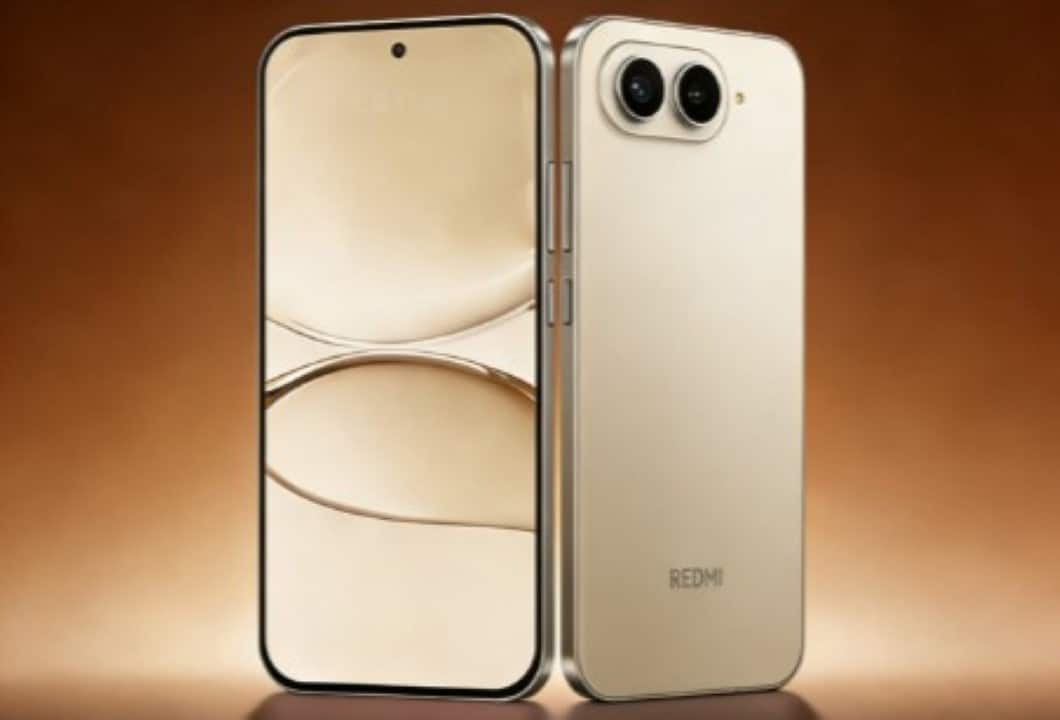
The mobile device market receives a substantial technical update with the preparation of the new portfolio of premium mid-range devices from the Asian manufacturer’s subsidiary. Documentos recent technicians and leaks detail the exact specifications of the future line of hardware, which is scheduled for global launch in March. The data confirms that the new equipment will reach shelves equipped with cutting-edge processing technologies and extremely high-density power modules, changing the autonomy standard in the segment.
The brand’s commercial and engineering strategy focuses on directly solving the key demands of contemporary consumers, specifically the need for load durability under intense use and the ability to perform multiple simultaneous tasks. The unprecedented series will be divided into two main variants, commercially cataloged as models Pro and Pro Max. Ambas versions integrate internal components that are traditionally reserved for the top of the line category, maintaining the aggressive pricing policy that characterizes the manufacturer in the international market.
The leaked information highlights crucial points in the devices’ technical data sheet, structured as follows:
– Implementação of advanced architecture processors for continuous multitasking;
– Utilização of batteries with silicon-carbon anode for greater energy retention;
– Native Integração with the latest software framework available on the market.
To manage the entire hardware set, the operating system selected by engineers is HyperOS 3, developed from the Android 16 source code. Optimizing the operating system code also plays a vital role in managing the electrical consumption of new microchips.
Processing architecture and speed
The most robust model in the device family will come factory equipped with the MediaTek Dimensity 9500 processor. Este microchip features an eight-core architecture capable of reaching operating frequencies of up to 3.73 GHz, delivering a considerable leap in raw calculation speed. The configuration allows you to instantly open applications and run complex algorithms without hiccups.
To complement the core computing performance, the equipment integrates the Immortalis-G925 MC12 graphics processing unit. Este specific component is designed to focus on rendering complex three-dimensional graphics and maintaining frame rate stability in high-resolution games, preventing overheating during prolonged usage sessions.
The standard version of the line does not present a significant gap in terms of daily processing capacity. The device has the Dimensity 8500 Ultra chip, operating at a maximum frequency of 3.4 GHz, combined with the Mali-G720 MC8 GPU. Ambos models use LPDDR5x
Innovation in energy storage and charging
Energy autonomy represents the most prominent point in the new technical sheets, driven by the adoption of batteries with silicon-carbon anodes. Esta chemical technology allows storing a substantially greater amount of energy in a reduced physical space, overcoming the structural limitations of traditional lithium-ion batteries and enabling thinner designs even with high capacities. The most advanced model houses a massive 8500 mAh cell, specifically designed to withstand full days of moderate use or long days of media consumption and GPS navigation away from any power outlet. In contrast, the standard version features a 6500 mAh module, offering an exact balance between a slim body and extended autonomy for the average user. In terms of refueling, both terminals support the proprietary 100W HyperCharge technology, which is capable of restoring the total charge from zero to one hundred percent in a matter of minutes. The manufacturer chose to keep the 100W plug adapter included in the original box, eliminating the need for additional peripheral purchases. The system also supports 27W wireless charging and reverse charging function, turning the smartphone into a power base for smaller accessories such as wireless headphones and smart watches.
Screen specifications and visual comfort
The viewing experience has been enhanced by implementing high-resolution AMOLED technology panels across all devices in the series. The larger model sports a 6.83-inch screen with an exact resolution of 2772 x 1280 pixels, ensuring enough density to hide any pixelation from the naked eye.
The standard version has a slightly more compact display, measuring 6.59 inches, with a resolution of 2756 x 1268 pixels. Ambos panels operate at a 120 Hz refresh rate for fluid animations, 2000 nits peak brightness for readability in direct sunlight, and 3840
Image and video capture systems
The main photographic set of the terminals uses very high resolution sensors equipped with optical mechanical image stabilization. Esta Hardware configuration is critical to nullifying hand tremors when capturing photos and recording videos on the go.
In the superior model, the sensor selected by engineering is the 50-megapixel Omnivision Light Fusion 600, accompanied by a lens aperture of f/1.50. Esta large physical aperture allows massive light entry into the sensor, resulting in considerably sharper night photographs and a drastic reduction in digital noise.
The entry-level version of the line uses the Sony IMX882 sensor, also with 50 megapixels of resolution and optical stabilization, operating with an aperture of f/1.59. The two devices share a secondary 8-megapixel ultra-wide lens with f/2.2 aperture, designed for capturing expansive landscapes or photographs of large groups of people in confined spaces.
The front system has a 20 megapixel camera dedicated to selfies and high definition video calls. The image processing software includes artificial intelligence algorithms for automatic scene detection, adjusting color and contrast parameters in real time, as well as supporting video recording in 4K resolution with hybrid stabilization.
Connectivity standards and system resources
The wireless connectivity infrastructure receives important updates with the inclusion of support for the new Wi-Fi 7E standard. Esta network technology allows you to achieve significantly higher download and upload speeds when the device is connected to compatible routers, in addition to drastically reducing latency when exchanging data packets, a crucial factor for real-time applications and competitive games. The Bluetooth 5.4 protocol guarantees stable pairing with multiple simultaneous devices, keeping energy consumption to a minimum. The manufacturer also kept the traditional infrared emitters at the top of the housing, allowing native software to control televisions, air conditioning units and other household appliances.
The user interface features a range of optimizations aimed at daily productivity and information security. The system allows the use of resizable floating windows, the creation of encrypted folders for sensitive files and deep customization of the visual elements of the home screen. Primary biometric security is provided by a fingerprint reader embedded under the AMOLED panel, which performs three-dimensional finger reading in fractions of a second. Two-dimensional facial recognition through the front camera acts as an alternative and quick unlocking method for situations where the use of your hands is impossible.
Market positioning and values
The global distribution schedule indicates the arrival of the devices at European retailers with starting prices set at 399 euros for the version with 8 GB of RAM and 256 GB of internal storage, which represents approximately R$2,425 in direct currency conversion. The model with maximum specifications, containing 12 GB of RAM and 512 GB of space, has a suggested value of 529 euros, the equivalent of R$3,215, positioning the brand highly competitively in the segment.
Physical structure and industrial design
The external construction of the new smartphones uses metal alloys in the chassis structure, providing a superior tactile sensation and greater resistance against accidental twisting. The color palette available at the initial launch should include matte black, pearly white and a special textured titanium finish.
Despite the integration of record capacity batteries, the design team managed to keep the thickness of the devices within acceptable ergonomic standards. The larger capacity model measures exactly 8.2 millimeters thick with a weight of 218 grams, while the standard version is 8.38 millimeters and 201 grams, ensuring comfort during prolonged handling.



