
Pentagon secures inexhaustible arsenal for continued offensive against Iranian military bases

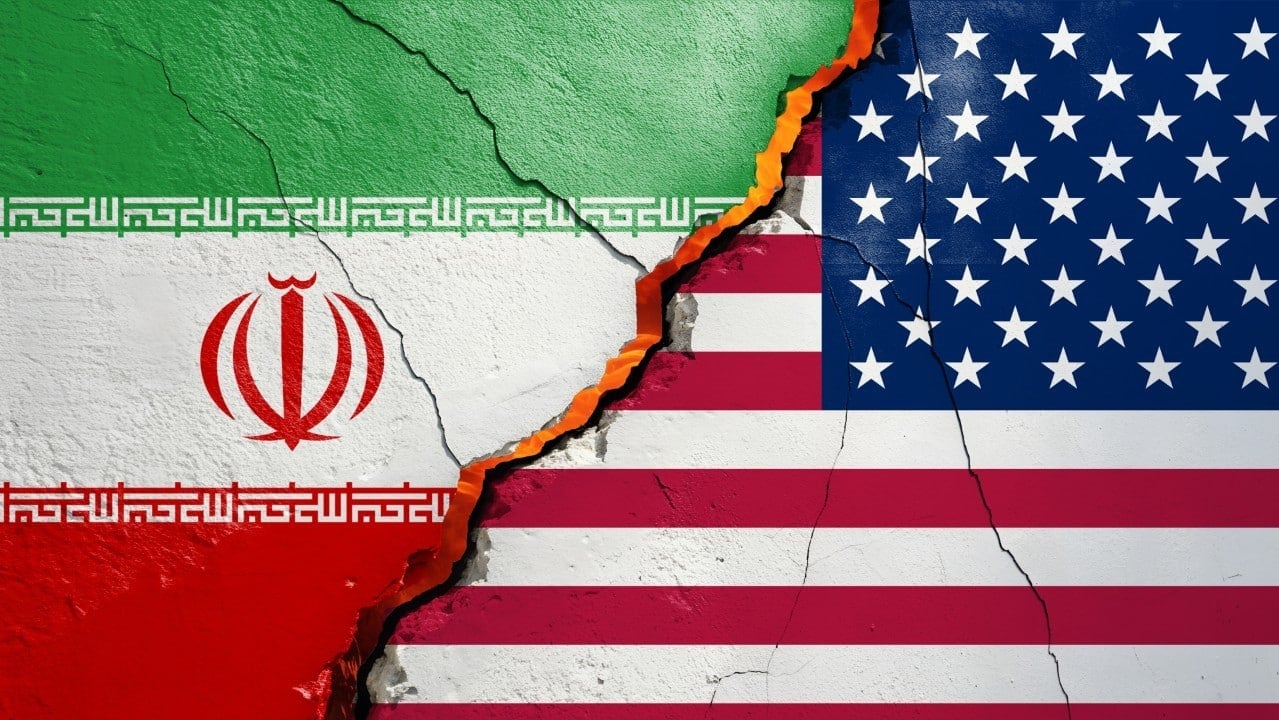
The escalation of hostilities in the Oriente Médio entered a phase of high intensity, marked by forceful statements by Washington about its logistical capabilities. Após the execution of more than two thousand offensive sorties by the western coalition, the government of the Estados Unidos ensured that its reserves of ammunition and precision weapons are sufficient to maintain a long-term campaign. The American administration seeks to dispel doubts about the depletion of its arsenals, emphasizing the robustness of its military supply chain. In contrast, the authorities of Teerã reject the narrative of absolute superiority, stating that the country has developed technical autonomy capable of withstanding prolonged offensives and wearing down opposing forces.
The volume of shots fired and the speed with which military resources are being deployed surprise international security analysts. Relatórios independent reports indicate that the rate of missile launches and the constant activation of anti-aircraft shields exceed the initial projections of the military commands involved. The current dynamics of the battlefield highlight the importance of industrial sustainability, suggesting that military victory will intrinsically depend on the ability to replace complex equipment in record time.
Experts point out that several operational factors contribute to this scenario of accelerated consumption of war material. Entre the main elements observed on the combat fronts, the following tactics stand out:
– The massive use of unmanned aerial vehicles to saturate and overload enemy radar networks.
– The repositioning of naval strike groups to ensure safe cruise missile launch platforms.
– The continued demand for high-tech interceptors to shield allied installations against imminent retaliation.
– The need for advanced maintenance for electronic systems that require time-consuming replacement parts.
Technological disparity and divergent military doctrines
The difference between the conventional capabilities of the forces in confrontation is evident, however, modern military doctrine indicates that technological superiority does not ensure immediate resolutions. The American armed forces base their strategy on absolute dominance of airspace and the use of surgical precision weapons. The goal is to neutralize command centers, launch pads and critical infrastructure before the adversary can mount a coordinated response.
On the other hand, the Iranian government has structured its defenses over decades with a focus on asymmetric warfare. The country has invested heavily in a national ballistic missile program and the proliferation of low-cost drones. The intention of Teerã is to increase the financial and political cost of any foreign intervention, transforming the territory into a hostile environment for occupation forces or prolonged air campaigns.
Western intelligence is currently assessing the resilience of Iranian lines of communication under intense coordinated bombardment. The ability to maintain the cohesion of troops and the functionality of mobile defense systems is the main test for the Asian country’s military structure at this time of acute crisis.
Bottlenecks in the production of modern weapons
The continuous manufacturing of smart munitions has become the focal point of global logistics concerns. The complexity of next-generation missiles, which rely on advanced microchips and high-precision sensors, prevents assembly lines from being accelerated instantly. Este factor creates a window of vulnerability, forcing military planners to ration the use of cutting-edge equipment and, in some cases, turn to previous generation arsenals to maintain tactical pressure.
The American Departamento of Defesa intensified negotiations with the private arms industry to expand the production of interceptors and land attack missiles. The logistical effort involves the reactivation of old manufacturing facilities and the search for alternative suppliers of critical raw materials.
On the Iranian side, the logistical strategy is diametrically opposite. The focus is on the mass production of less sophisticated weapons, but highly destructive when used in large quantities. The country’s underground factories continue to operate to supply a steady stream of kamikaze drones, which are considerably cheaper and faster to produce than the defense systems needed to shoot them down.
Defensive autonomy and territorial resistance
Authorities in Teerã reiterate that the economic isolation suffered in recent years has forced the country to develop a completely independent defense industry. The local military command claims that reverse engineering of equipment captured in the past has allowed the creation of radars and interception systems adapted to contemporary stealth threats.
The organization of defense forces into decentralized cells is another tactic used to guarantee the survival of the military command. Mesmo with the destruction of important headquarters, regional units have the autonomy to continue launching attacks and operating anti-aircraft batteries, prolonging the state of belligerence.
Naval positioning and trade routes
The deployment of American fleets to Oriente Médio aims not only to project power, but also to protect shipping lanes vital to the global economy. The presence of aircraft carriers and nuclear submarines acts as a deterrent against possible naval blockade attempts by Iranian forces.
Geography gives Irã a significant strategic advantage, especially given Estreito’s coastal control of Ormuz. Qualquer instability in this region directly affects the flow of oil tankers, generating apprehension in international financial markets.
Western strategists calibrate the intensity of military operations to prevent conflict from spilling over into the energy sector. Maintaining the safety of commercial shipping is a priority parallel to the strictly military objectives of the ongoing campaign.
Operating costs of anti-aircraft shields
The effectiveness of interceptor missile batteries has been proven daily, neutralizing the vast majority of projectiles launched against allied bases. However, the financial asymmetry of this equation is a growing challenge for defense budgets.
The cost of shooting down a rudimentary drone using a high-tech missile is disproportionate, creating a war of economic attrition. Esta reality forces the accelerated development of directed energy weapons and laser defense systems, which promise to drastically reduce the cost per interception in the future.
The Irã simultaneously claims to have enhanced its own surface-to-air shields, seeking to deny airspace to reconnaissance aircraft and unmanned bombers. The veracity of these claims is tested with each new air sortie by coalition forces.
The financial sustainability of maintaining active anti-aircraft shields uninterruptedly requires profound budgetary changes in Washington. The debate over the long-term viability of these operations dominates security committees in the American legislature.
Saturation tactics and artificial intelligence
Observation of recent conflicts around the world has provided vast study material for military academies. The use of swarms of drones, coordinated by basic artificial intelligence algorithms, represents a paradigm shift in the way air defenses are penetrated. The Irã incorporated these tactics, seeking to overload enemy radar processors with multiple simultaneous targets, opening gaps for heavier ballistic missiles to pass through.
The ability to absorb damage and continue operating is the true gauge of success at this stage of the confrontation. Iran’s civil and military infrastructure was designed with redundancies to support bombing campaigns, making the country’s total neutralization a task of extreme logistical and operational complexity.
Satellite monitoring and surgical precision
Offensive operations led by Washington rely on an intricate network of observation satellites and electronic reconnaissance aircraft. Cada target is meticulously selected based on signals intelligence and high-resolution imagery, targeting research facilities, ammunition depots and missile silos. The ability to redirect weapons mid-flight allows commanders to avoid unwanted collateral damage and maximize the destruction of high-value military assets while maintaining relentless pressure on the adversary chain of command. The continuous flow of tactical data ensures that coalition forces maintain the strategic initiative, even in the face of vast and geographically rugged territory.
The battle in the electromagnetic spectrum
Parallel to the kinetic combat, a silent war takes place in the electromagnetic spectrum. Iranian forces use sophisticated jamming equipment to scramble the GPS navigation systems of Western weapons, while the Estados Unidos employ aircraft specialized in electronic warfare to blind the Asian country’s early warning radars, ensuring informational superiority in the theater of operations.



