
Performance test reveals that Apple reduced the iPhone 17e’s GPU to four cores on the A19 chip

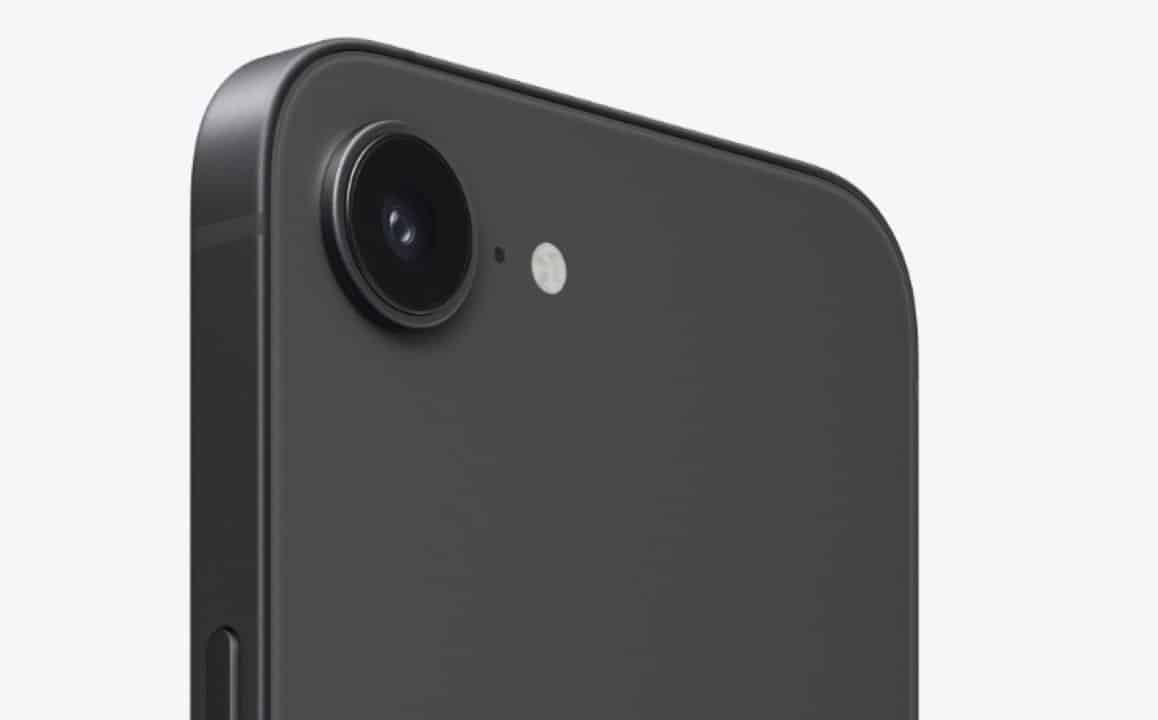
Recent performance test leaks detail the technical specifications of the new processor developed for the technology giant’s entry-level flagship smartphone from Cupertino. Data recorded on measurement platforms indicates that the device shares the same central processing base as the standard version, but presents structural modifications to its graphics processing unit. The component segmentation strategy aims to optimize production costs and create a clear differentiation between devices of the same generation in the global market.
Synthetic evaluations carried out on the Geekbench show that the device’s CPU achieves an average of 3,607 points in single-core operations. Nos tests that require the simultaneous operation of multiple cores, the component records up to 9,241 points. Esses numbers place the device’s central processing on an equal footing with the traditional variant of the same series, demonstrating the maintenance of raw calculation capacity for daily operations.
The main architectural change implemented by the manufacturer lies in the number of graphics cores activated in the final silicon. The semiconductor manufacturing process often results in chips where a specific part is electronically disabled to categorize the product into a lower price range. Essa practice, known in the industry as chip selection, allows maximum use of silicon wafers and defines the physical limitations of the hardware delivered to the end consumer.
Processor architecture and recorded scores
The A19 chip maintains a configuration of six central processing cores, strategically divided to balance speed and energy consumption. Dois of these cores are designed to handle high computational demand tasks, operating at high frequencies to ensure fluidity. The remaining four cores are focused on energy efficiency, taking over the background processes and low-intensity operations of the operating system.
This division of labor allows the device to intelligently manage battery consumption during continuous use. Technical records extracted from measurement platforms include: – Single-core Pontuação between 3,320 and 3,607 points; – Desempenho on multiple cores between 8,373 and 9,241 points; – Evolução of approximately 18% compared to the previous generation of mobile processors in the same category.
The absence of substantial CPU differences indicates that tasks that rely exclusively on mathematical and logical calculations will not experience noticeable delays. Aplicativos text editing, internet browsing, spreadsheets and local database management work with the same agility found in more expensive models. The manufacturer chose not to limit the CPU’s operating frequency, ensuring a quick response when opening heavy software.
Analysis tool records also confirm the use of high-speed memories integrated directly into the processor package. Essa physical proximity between random access memory and processing cores reduces latency in exchanging critical information. The increased bandwidth facilitates massive data traffic, essential for the proper functioning of the operating system and for quickly switching between multiple applications open simultaneously.
Graphics Processing Unit Configuration
The fundamental distinction of the device under analysis lies in the structure of its GPU, which has four active cores. The standard model of the same family of smartphones has five graphics cores, which gives a direct mathematical advantage in rendering polygons, textures and dynamic lighting calculations. Reducing one core changes the maximum visual processing capacity in situations where mobile hardware is extremely demanding.
The physical limitation on the GPU is a direct result of the sorting process on the semiconductor assembly line. Componentes that do not achieve the necessary electrical stability with five active cores have one of their modules disabled via software and hardware, being redirected to the entry model. Essa production engineering ensures that the device operates stably, without crashes or failures in displaying images, even operating with a graphics capacity slightly lower than the maximum original design.
Visual performance assessment in synthetic tests
Tests carried out with the graphics application programming interface, developed to extract maximum performance from the hardware, quantify the exact difference between the GPUs. The four-core device recorded an average of 31,163 points, with peaks reaching 31,597 points in ideal temperature conditions. The device with five cores reaches around 37,000 points in the same battery of rigorous tests.
The approximately 16% difference in raw graphics performance reflects the absence of the fifth visual processing core. Apesar of the reduction compared to the superior model, the hardware still presents a performance gain that varies between 12% and 15% when compared to the previous year’s generation of chips, which scored around 27,666 points in the same synthetic measurement tool available on the market.
In practice, the score obtained by the four-core graphics processor is sufficient to run the mobile system interface with total geometric fluidity. Transition animations, blurring visual elements and scrolling complex web pages do not demand the full power of the integrated graphics card. The lag becomes measurable only in professional three-dimensional modeling software, exporting videos in very high resolution with multiple filters and advanced augmented reality applications.
Thermal management and energy efficiency
Removing an active graphics core results in less heat dissipation during prolonged use of the device for intense tasks. Silicon, by operating with fewer components generating thermal energy, is able to maintain its maximum operating frequencies for longer periods before needing to reduce speed to avoid physical damage to the circuits. The phenomenon of frequency reduction due to heating, common in mobile devices without active ventilation, occurs in a milder form in this specific processor. Thermal stability contributes to a consistent usage experience, avoiding sudden drops in performance after continuous minutes of maximum hardware demand in heavy applications.
Battery power consumption also presents a different behavior due to the graphic architecture modified by the manufacturer. The electrical demand of a four-core GPU is lower than that of a five-core unit operating at the same voltage and clock frequency. Testes of prolonged stress indicates that the power cell’s discharge rate occurs more slowly, which prolongs the device’s active screen time in tasks that heavily use pixel rendering. The balance between reduced graphics processing and electrical autonomy creates a usage profile aimed at consumers who prioritize time away from sockets over brute force in three-dimensional processing.
Artificial intelligence processing capacity
The A19 chip integrates a 16-core neural processing engine, absolutely identical to that found in the most expensive versions of the recently launched smartphone line. Este dedicated component is solely responsible for running all machine learning and neural network operations locally on the device, without the need to send private data to external servers in the cloud. Maintaining the full capacity of the neural engine ensures that artificial intelligence functions such as advanced computational photo processing, text recognition in complex images, simultaneous language translation, and automated response generation operate at the same speed across the entire device lineup. The 16-core architecture allows the execution of trillions of mathematical operations per second, facilitating the application of filters in real time when recording videos in 4K resolution and optimizing the categorization of thousands of files in the media gallery. The technical decision not to make cuts in this specific area of the processor demonstrates the technology industry’s current focus on prioritizing artificial intelligence features deeply integrated into the operating system, ensuring that even the entry-level model offers the complete and unrestricted experience of the new software tools developed by the brand’s engineers.
Hardware behavior in routine applications
The smartphone’s performance on social networking applications, instant messengers and video streaming platforms remains unaffected by the reduction of graphics cores in the processor. Softwares of daily use requires a tiny fraction of the total GPU capacity, making the hardware difference imperceptible to the vast majority of users during ordinary browsing. Scrolling through infinite photo feeds and playing high-definition media occurs without any type of choking, freezing or delay in response to touch on the glass screen.
In titles from the electronic gaming industry that require complex three-dimensional processing, developers implement automatic visual quality adjustments to maintain fluidity. The device runs entertainment software at stable frame rates, subtly reducing the resolution of background textures or the complexity of advanced lighting effects. Software code-level optimization compensates for the physical difference in hardware, delivering a seamless, fault-free geometric rendering experience.
Software support and system updates
The modern architecture of the mobile processor guarantees full technical compatibility with future versions of the operating system developed by the company. The manufacturer has a documented history of providing security updates and new feature packs for a period ranging between five and six years after the hardware is officially released in stores. The presence of fast access memories and the neural engine at its maximum capacity ensures that the device does not become obsolete prematurely, maintaining the ability to run the graphical interfaces and encryption protocols that will be required by third-party applications over the next few years of continuous use.



