
Snowstorm paralyzes Massachusetts and cuts power to 250,000 homes in the northeast

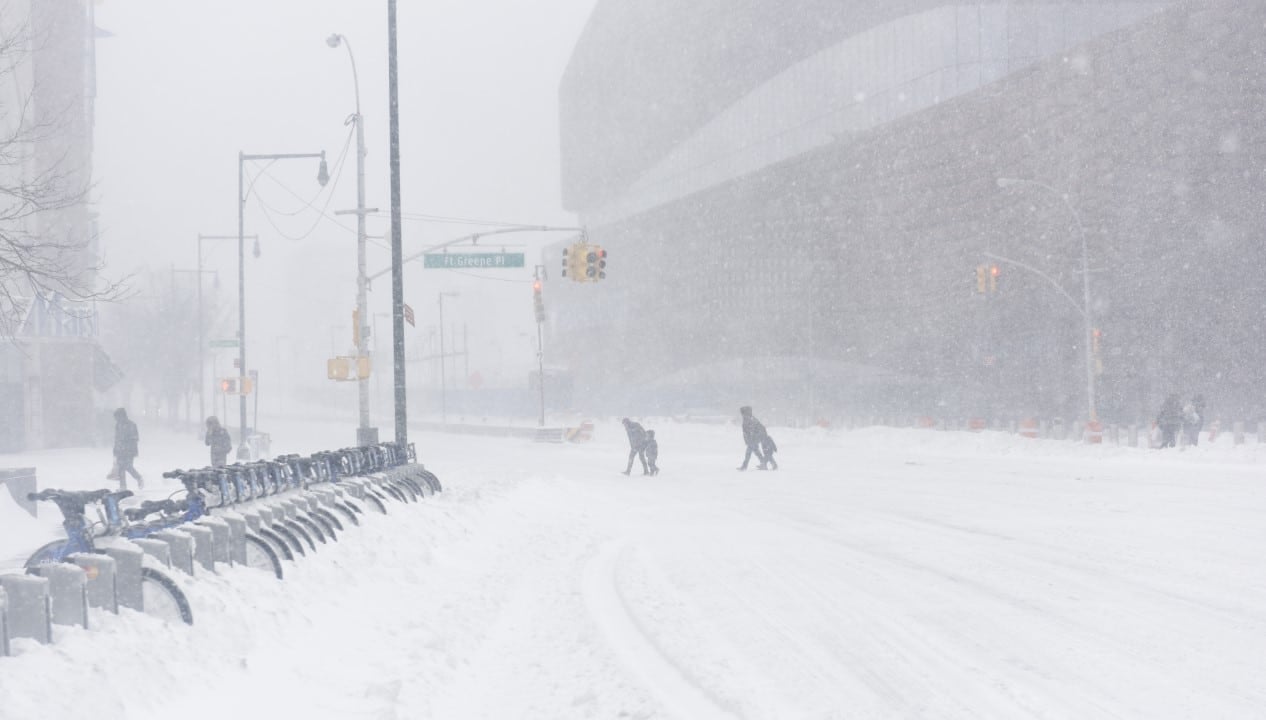
A severe cold front hit the state of Massachusetts this week, causing massive interruptions in electricity supply and drastically changing the routine of residents of the northeast region. The meteorological phenomenon dumped a significant volume of winter precipitation, resulting in the shutdown of public roads, the closure of educational institutions and the suspension of commercial activities in several counties. Equipes of maintenance and public services immediately began cleaning and repair operations, facing adverse conditions to access areas with the highest rate of damage to distribution infrastructure.
The advance of the frontal system over the East Coast quickly overwhelmed transmission networks. The combination of strong winds and the weight of ice on the wiring caused trees and poles to fall, requiring an emergency mobilization of state and federal resources to contain the damage.
Local officials warn that full restoration of essential services could take several days, especially in coastal communities, which have seen the highest amounts of precipitation as weather forecasts anticipated and have suffered the most severe wiring damage.
Recovery logistics and complexity of damage
The scenario revealed on Tuesday morning exposed a logistical challenge of major proportions, with more than 254 thousand electricity grid customers without supply in the territory of Massachusetts alone. Este number illustrates the seriousness of the situation faced by public service concessionaires, which had to activate maximum contingency protocols to map critical points and dispatch field technicians. The affected territorial extension forces companies to prioritize the restoration of high voltage lines and substations before moving on to repairs in isolated residential neighborhoods.
Representatives from Eversource, the region’s main energy operator, reported that more than 100,000 connections were reestablished remotely in the first hours after the weather event. However, the physical nature of the remaining damage requires complex manual interventions. The process involves removing heavy trunks and branches entangled in high voltage cables, a detailed job that takes time and puts the safety of operators at risk. The company’s spokesperson, Olessa Stepanova, reiterated that the safety of teams and the population dictates the pace of field operations and the reconnection of customer blocks.
Snow accumulation and reflections in neighboring states
The reflection of the climate system was not restricted to the borders of Massachusetts, extending strongly to the neighboring state of Rhode Island. On the same Tuesday morning, official records indicated more than 21 thousand consumer units without electricity in the state, requiring a coordinated response from local authorities to mitigate urban disruptions.
Despite the coverage of the cold front across the entire Nova Inglaterra, other areas presented a more stable situation. Em Connecticut, for example, the utility reported just over 600 outages, demonstrating that the northern portion of the region managed to keep most of its infrastructure operational during the storm’s passage.
The volume of precipitation was one of the determining factors for the power outage, with specific points recording accumulations exceeding 90 centimeters. Essa extreme load on vegetation close to transmission lines was the main cause of cable breaks reported by technical inspection teams.
Safety protocols for the affected population
Faced with the prolonged absence of electricity, health and public safety departments have issued strict guidelines to prevent domestic accidents. The main guideline concerns the use of portable energy generators, which are in high demand during these periods.
Motorized equipment must be operated exclusively in outdoor, well-ventilated environments, maintaining a safe distance from doors, windows and ventilation ducts. Essa measure is vital to prevent the accumulation of carbon monoxide inside homes, an odorless and lethal gas.
Food conservation has also become a central concern for families affected by the blackout. Health agencies recommend the immediate disposal of perishable products, such as meat, dairy products and eggs, that have remained without adequate refrigeration for a period longer than four hours.
To heat homes, authorities strictly prohibit improvising with gas ovens, stoves or barbecues in closed spaces. The guideline is to seek official shelters if the internal temperature of the residence reaches dangerous levels for human health during the night.
Action of emergency agencies and shelters
Agência of Gestão of Emergências of Massachusetts (MEMA) activated its command center to coordinate the state response in partnership with municipal administrations. The main focus of this joint operation is the installation and maintenance of warming centers and temporary shelters strategically distributed throughout the most affected areas. Estas instalações públicas fornecem um ambiente seguro e climatizado, além de garantir o acesso a suprimentos básicos, como água potável, refeições quentes e pontos de recarga para dispositivos médicos e de comunicação. The mobilization aims to protect the most vulnerable parts of the population, including the elderly, children and people with special medical needs, who depend on electrical equipment to support their lives and cannot wait for the extended deadline for the normalization of the distribution network.
Commercial strike and mobilization of teams
The abrupt interruption of daily activities generated immediate economic obstacles for the northeast region. The preventive closure of schools altered family dynamics, forcing parents to take time off work, while the suspension of operations in the retail trade and manufacturing industry resulted in significant daily financial losses for the local private sector. The supply chain is also experiencing delays, affecting deliveries of essential goods and the functioning of non-emergency services.
To accelerate economic recovery and urban normality, recovery logistics involve the continuous clearing of state highways and local routes. Frotas of snowplows and salt trucks work around the clock to ensure electrical repair crews can access rural areas and blocked residential neighborhoods. The mobilization of resources from other states has become crucial, demonstrating the importance of interstate cooperation in times of acute climate crisis.
Weather forecast and continuity of work
Meteorological services are constantly monitoring the region, as climate models indicate the possibility of new precipitation in the coming days. Essa Atmospheric instability adds an extra layer of complexity to cleanup and repair work, requiring emergency crews to operate within tight weather windows and constantly reassess safety conditions at makeshift construction sites on streets and highways.
Guidance on electrical wiring and public roads
Traffic departments and energy companies reinforce high alert about hidden dangers on public roads covered in ice. The public is instructed to maintain an absolute distance from any fallen electrical cable, always assuming that the wiring is energized and represents an imminent risk of fatal shock to pedestrians and drivers.
Any anomaly in the electrical network or damaged poles must be reported immediately to official emergency channels. The cooperation of residents in respecting traffic closures and avoiding unnecessary travel has been essential to allow the rapid advancement of heavy maintenance convoys and the gradual restoration of the system.



