
Steven Spielberg’s miniseries about dinosaurs reaches the top of Netflix with maximum approval

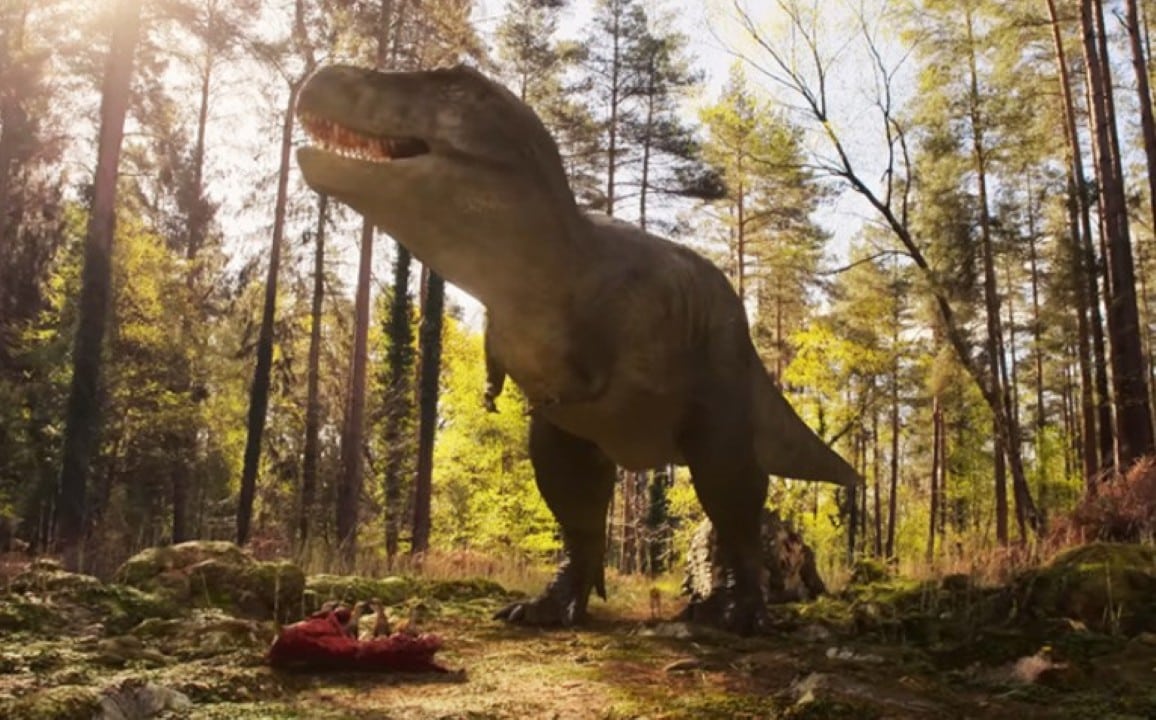
The new documentary miniseries that explores prehistoric life debuted in the global streaming catalog at the beginning of March and quickly took the top position among the most watched productions by the public. The project is executive produced by filmmaker Steven Spielberg and features the voice of actor Morgan Freeman in driving the main narrative.
The central focus of the work is the detailed reconstruction of the trajectory of the large reptiles that inhabited the planet Terra over a vast geological time scale. The production ranges from the first fossil records to the events that culminated in the mass extinction of these species, using updated data from modern paleontology.
The initial reception registered a significant mark of perfect approval on the main internet rating aggregators. The performance consolidates the title as one of the most successful releases of the year in the non-fiction category, exceeding the initial expectations of the audiovisual market and attracting a diverse audience.
Reception from specialized critics and global performance
The maximum score achieved in Rotten Tomatoes reflects the positive consensus of preliminary assessments published by audiovisual experts and entertainment journalists. The evaluators highlighted the work’s ability to balance the rigor of scientific information with a visual appeal that is highly attractive to the general public. The fluidity of the editing and the clarity of the technical explanations were identified as determining factors for the immediate engagement of subscribers, who praised the absence of unnecessary academic jargon during the viewing of the episodes.
Soon after the release of the chapters, viewing rates surpassed recent fiction releases and placed the documentary at the top of the global ranking on the Netflix platform. The renewed interest in productions focused on prehistory boosted the consumption of the title on several continents simultaneously. The global release strategy allowed the work to reach a vast base of viewers in a short period of time, dominating trend lists in dozens of countries and surprising video-on-demand market analysts.
Union of renowned talents in the audiovisual industry
The presence of Steven Spielberg behind the scenes of the project attracted the attention of specialized media shortly after the production was announced. The director has an established track record in creating narratives involving prehistoric creatures and used his vast experience to precisely guide the tone of the documentary.
The technical team assembled to execute the project includes professionals awarded for previous work focused on wildlife exploration and cutting-edge cinematography. The choice of Morgan Freeman to guide viewers added a layer of sobriety and authority to the documentary text, raising the standard of the narrative.
The actor describes the species’ daily routines, survival strategies in hostile environments and the climatic events that shaped the planet’s surface. The neutral and informative intonation of his voice makes it easier to understand complex concepts related to evolutionary biology and structural geology.
Rendering technology and scientific validation
The development of visual effects required the application of cutting-edge technologies to guarantee the absolute realism of the ancient creatures and settings. The absence of practical or animatronic effects was compensated by meticulous work on digital texturing, volumetric lighting and physics simulation in virtual environments.
Animators recreated the animals’ weight, biomechanical locomotion and physical interactions with the surrounding environment, from the movement of leaves to footprints in the mud. Dezenas of paleontologists and researchers from renowned universities acted as consultants during all phases of the digital animation to ensure accuracy.
The central objective of the collaboration was to validate the anatomical characteristics of the species represented, avoiding speculation without a fossil basis. Estudos recent studies on the presence of plumage in certain groups of theropods and color patterns based on fossilized melanosomes were incorporated into the final design of the three-dimensional models.
The representation of natural habitats received the same level of scientific rigor as the modeling of the animals themselves. Digital art teams reconstructed dense coniferous forests, arid plains and vast swamps based on strict paleobotanical evidence, simulating the climatic and atmospheric variations of each geological period.
Narrative structure divided into short chapters
The miniseries was divided into four chapters lasting approximately forty-five minutes each. Esta compact structure allows subscribers to consume the entire work in a few hours, adapting perfectly to current series consumption patterns on digital platforms.
Screen time was distributed in such a way as to maintain a constant pace of presenting new information, without excessively prolonging the explanatory blocks or tiring the viewer with visual repetitions. The first episode focuses on the initial emergence of reptiles after the extinction of the Permiano and the anatomical adaptations that allowed their rapid territorial expansion.
Evolutionary chronology and transformations of the planet
The chronological progression adopted by the scriptwriters makes it easier to follow the drastic evolutionary changes that occurred over vast periods of natural history. The documentary details in detail how changes in the configuration of continents due to continental drift, extreme variations in global temperature and catastrophic events forced species to develop new physical and behavioral characteristics to avoid extinction. The approach highlights the interdependent relationship between geological and biological factors in determining the success or failure of a specific animal lineage. The presentation of updated data on size diversity, complex herbivore diets and herd social structures deconstructs outdated views on the homogeneity of dinosaurs, revealing a rich panorama of continuous adaptation to the rigors imposed by a planet in constant and violent transformation.
Positioning in the catalog and audience preferences
The commercial performance of the miniseries demonstrates the financial viability and genuine interest in investments focused on strictly educational content within the large video on demand platforms. The work quickly surpassed the viewing figures of established productions in the crime investigation and fictional drama genres during its first week of global availability, proving that scientific documentaries of high visual quality can compete on equal footing with major hits from Hollywood.
Accessibility of the format for the family environment
The indicative rating established as suitable for the general public, with the standard recommendation of parental supervision, significantly expanded the demographic reach of the production. The absence of unnecessary graphic violence or excessively bloody predation scenes allows the material to be used as an excellent scientific introduction tool for younger viewers.
Fidelity to consolidated scientific data avoided excessive dramatization of predatory behaviors. The hunting and dispute over territory scenes were choreographed to demonstrate real strategies for survival and energy expenditure, distancing the work from common approaches in science fiction productions that portray these animals simply as uncontrollable monsters, maintaining the technical rigor required by adult audiences interested in factual science.




