
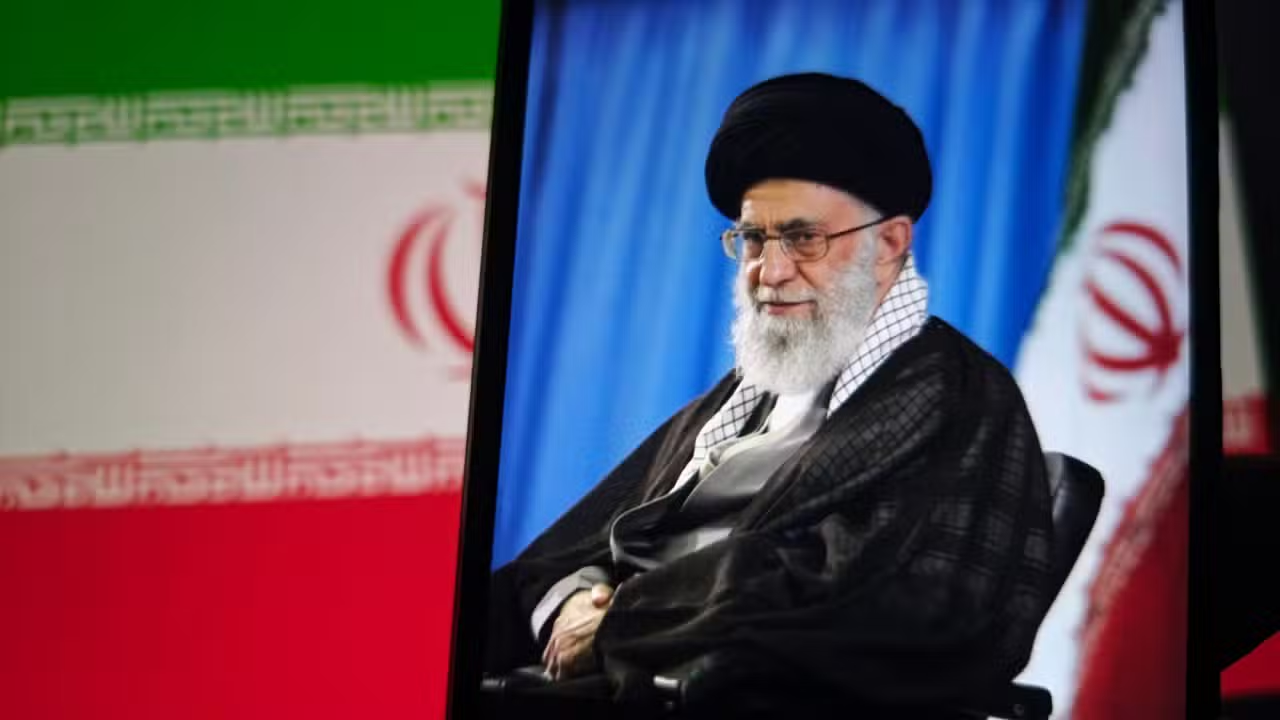
Assembleia of Peritos of Irã announced the selection of Mojtaba Khamenei as the new supreme leader of República Islâmica. The decision took place in a remote meeting due to the bombings in Teerã, a week after the death of his father, Ali Khamenei, in joint attacks by Estados Unidos and Israel. Mojtaba, 56 years old, takes office in the midst of a military escalation that affects the entire Oriente Médio.
The new leader, who has kept a low profile for decades, is seen as a continuation of the hard line adopted by his father. Ele coordinated intelligence and military operations in Ali Khamenei’s office, influencing key decisions without holding formal public positions. The appointment aims to stabilize the regime during the crisis, with support from Guarda Revolucionária Islâmica.
Iranian authorities highlighted that the choice follows religious and leadership criteria, despite criticism about hereditary succession. The ideology of República Islâmica, founded in 1979, prioritizes clerical reputation over family heritage. However, the context of war accelerated the process, prioritizing continuity and resistance against external pressures.
Profile and initial trajectory of Mojtaba
Mojtaba Khamenei was born on September 8, 1969, in Mashhad, in the northeast of Irã. Ele is the second of six children of Ali Khamenei and attended the religious school Alavi in Teerã during secondary school. Aos 17 years old, served briefly in the army during Guerra Irã-Iraq, a conflict that shaped the regime’s distrust of Ocidente.
In 1999, at the age of 30, Mojtaba moved to Qom, a Shiite theological center, for advanced religious studies. Ele adopted clerical garb at this stage, although his late entry into the seminary raises questions about motivations. Atualmente, occupies an intermediate position as a cleric, which may challenge his full acceptance as supreme leader.
Behind-the-scenes influence and political accusations
US diplomatic documents released in the late 2000s described Mojtaba as an influential figure in power circles. Ele was seen as capable and energetic, operating behind the scenes to shape domestic and foreign policy. Sua proximity to Guarda Revolucionária Islâmica reinforced its role in strategic decisions.
During the 2005 presidential election, Mojtaba faced accusations of interference. The reformist candidate Mehdi Karroubi alleged that he used elements of the Guarda and the Basij militia to favor Mahmoud Ahmadinejad. Essas allegations highlight his alleged control over informal power mechanisms.
In 2009, during the re-election of Ahmadinejad, massive protests by Movimento Verde broke out. Manifestantes criticized the possibility of Mojtaba succeeding his father, seeing this as a threat to democracy. Slogans against him echoed in the streets, reflecting popular discontent with the concentration of family power.
Religious challenges and recent promotion
Mojtaba remains a mid-level cleric, posing a potential obstacle to his legitimacy. In the Iranian seminary system, titles such as “Ayatollah” indicate advanced knowledge and are prerequisites for supreme leadership. Recentemente, state media and officials began referring to him as “Ayatollah”, elevating his status.
This move is reminiscent of his father’s rapid promotion in 1989, when Ali Khamenei ascended to the position. The strategy aims to strengthen Mojtaba’s image as a trustworthy leader. However, critics argue that this ignores clerical traditions, prioritizing political loyalty over religious merit.
The founding principle of República Islâmica rejects hereditary succession, emphasizing choice based on reputation. Ali Khamenei spoke vaguely about future leadership, and a member of Assembleia denied support for Mojtaba two years ago. Apesar Furthermore, the current war accelerated the decision, uniting clerics around continuity.
International reactions and direct threats
Western countries reacted with concern to the appointment of Mojtaba. Líderes of the USA declared that the new supreme would not last without external approval, intensifying tensions. Israel stated that any successor would be targeted for elimination, raising the risk of targeted attacks.
In Oriente Médio, allies of Irã such as groups in Síria and Líbano expressed support, while Golfo nations such as Arábia Saudita and Emirados Árabes Unidos declared a state of war. Ataques Iranians targeted radar bases at Al-Kharj, at Arábia Saudita, and oil facilities, affecting global supplies.
The appointment comes amid mass evacuations: thousands of citizens from Tailândia, Grécia, Polônia, Alemanha and Reino Unido have left the region. Líderes global religious groups call for a ceasefire, but Irã rejects proposals, stating the need for continued defense.
The conflict has caused civilian deaths, including in Riyadh, where projectiles killed foreign workers. Irã confirmed losses on a warship sunk by an American submarine, with 104 dead and 32 injured. Esses events highlight humanitarian and economic escalation.
Military and economic impact of succession
Israeli strikes hit ballistic missile sites in Parchin and Shahroud, as well as airports in Shiraz and Isfahan. Mais of 80 Israeli jets dropped 230 munitions on Teerã, totaling 1,465 across the entire Irã in 48 hours. Autoridades Israelis indicate need for three additional weeks for objectives.
Iran responded with 165 waves of attacks, including drones and missiles on civilian areas. Isso carried US warnings about legitimate targets in populated areas. No Irã, oil depots were destroyed, killing tank drivers and leading to fuel rationing.
Economically, oil prices rise globally due to disruptions. Irã warns that increases will persist as long as the conflict lasts. Países of Golfo face attacks on desalination facilities and military bases, worsening regional insecurity.
- Prime Iranian targets include radar bases at Arábia Saudita.
- Israel ordered evacuations south of the Litani river in the Líbano.
- Pro-Iran militias attack American bases in Síria and Jordânia.
Expectations for the new regime
Mojtaba Khamenei inherits a nation in political and economic crisis. Sua family loss – father, mother and wife in the attacks – can harden your stance against Ocidente. Analistas foresee continuity of hard-line policies, focusing on internal repression and regional expansion.
Mojtaba’s history includes meetings with opponents, such as in 2012 with Mir-Hossein Mousavi, urging him to abandon protests. Isso suggests skill in internal negotiations, but also determination to maintain control. The perception of hereditary transformation can deepen public discontent.
In the context of war, Mojtaba must guarantee the survival of República Islâmica. Sua untapped leadership tests the ability to unify clerical and military factions. External Pressões, including threats of elimination, mark his mandate from the beginning.
Historical context of Iranian leadership
The República Islâmica emerged from the 1979 revolution, overthrowing the monarchy. The first leader, Ruhollah Khomeini, established the system of velayat-e faqih, where the supreme religious and political guide. Ali Khamenei succeeded in 1989, consolidating power over the armed forces and judiciary.
Mojtaba enters as third leader, at a time of unprecedented instability. Diferente of predecessors, he does not have extensive public experience. Sua rise reflects the urgency of unity in the face of external aggression, prioritizing loyalty over tradition.
Details about formation and charges
During Guerra Irã-Iraq, Mojtaba served short periods, exposing himself to the conflict that killed millions. Essa experience shaped anti-Western views, aligned with the regime. Após the war, he focused on theological studies, but his delay suggests political planning.
Accusations of interference in 2005 and 2009 link Mojtaba to election manipulation. In 2009, arrests of opponents such as Mostafa Tajzadeh were attributed to him. Esses episodes illustrate influence on internal security, crucial for current stability.
Regional and global perspectives
The war expanded to Golfo, with attacks on Saudi and Emirati installations. Emirados declared war, and Arábia Saudita reported civilian deaths. Irã attacks from civilian areas, risking retaliation. Evacuações internationals indicate fear of climbing.
Global leaders, including religious figures, call for peace. Irã rejects, prioritizing defense. Econômicos impacts include an increase in fuel prices, affecting world markets. Secretários Americans minimize, but analysts predict extension.
The new leader faces the task of reconstruction. Sua nomination, under bombs, symbolizes resilience, but also vulnerability. Continuidade hardliners may intensify confrontations, shaping the future of Oriente Médio.