
Xiaomi displays prototype electric hypercar with 1900 horsepower for Gran Turismo 7 simulator
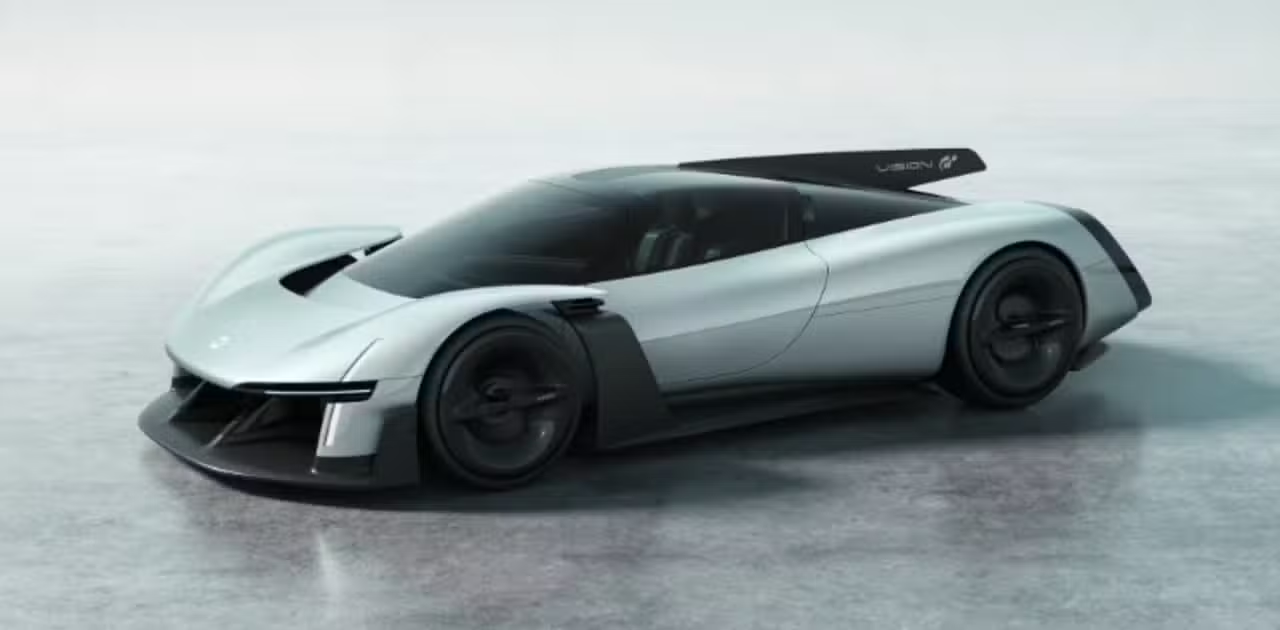
The Asian technology manufacturer officially presented a new high-performance automotive project during Mobile World Congress, held in Barcelona, at Espanha. The brand’s stand attracted public attention by displaying a full-scale physical model of a vehicle developed exclusively for the virtual environment. The initiative marks the company’s entry into the digital racing competition segment and signals the corporation’s next steps in expanding its portfolio focused on mobility. The exhibition detailed how engineers plan to use the electronic space to test cutting-edge technological innovations before applying them in the physical world.
Partnership with the simulation franchise
The vehicle was specifically designed to integrate the list of cars in the Gran Turismo 7 simulator, available for the Sony consoles. The collaboration between the game developer and the technology company aims to create a direct bridge between electronic entertainment and real-world automotive development. The digital environment serves as a safe and highly accurate testing laboratory for evaluating new vehicle dynamics and alternative propulsion systems.
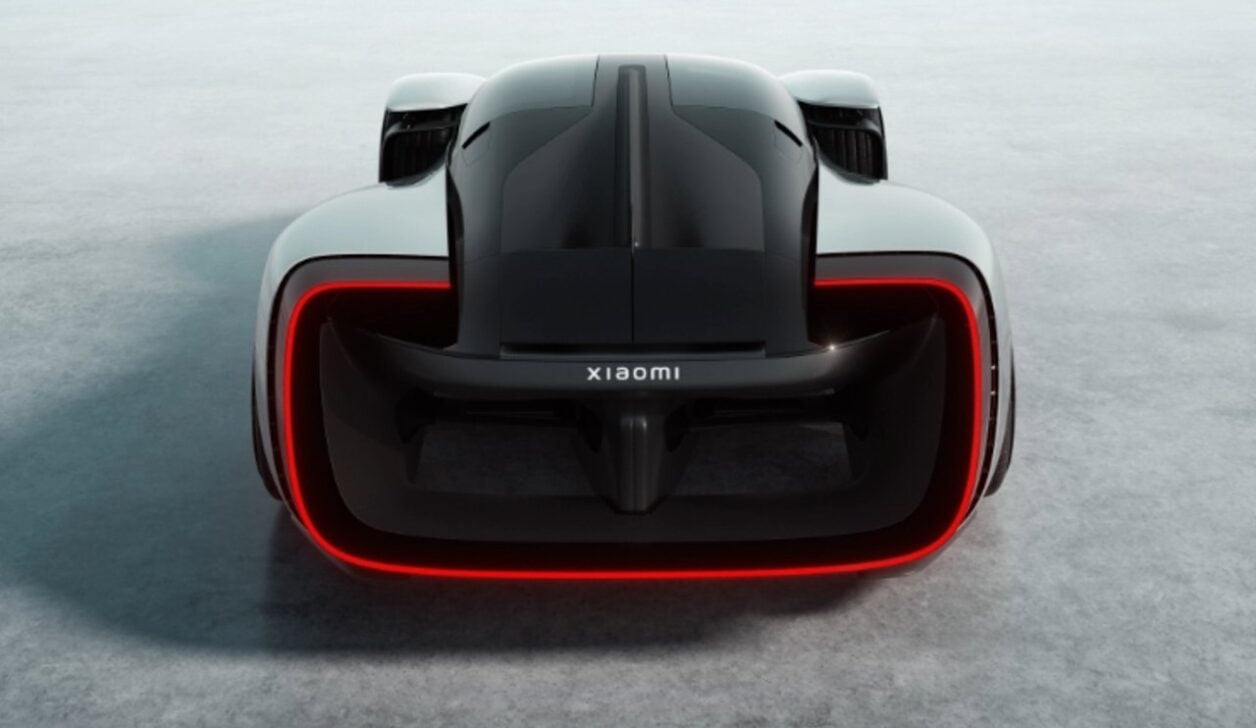
The platform allows designers to analyze the behavior of advanced traction and aerodynamic technologies before any application in mass production cars. Data collected during virtual sessions provides metrics on the wear of electrical components under extreme stress. Simulating track conditions using high-fidelity software reduces operational costs that would be generated when building dozens of physical prototypes.
The project is part of the Vision Gran Turismo program, a long-running initiative by the game franchise that invites global automakers and design brands to design the cars of the future. The acceptance of the Asian manufacturer into this select group of companies demonstrates the recognition of its engineering and industrial design capabilities on the international stage. The three-dimensional modeling of the car was transferred directly from the company’s design studios to the game’s graphics engine.
Technical specifications of the virtual model
The digital project stands out for presenting an electric engine capable of generating 1900 horsepower, a number that places it in the category of extreme hypercars. The vehicle’s theoretical architecture includes multiple electric motors distributed across the front and rear axles, ensuring all-wheel drive and instant torque vectoring. Essa configuration allows fast accelerations and superior dynamic control in high-speed curves, simulating the behavior of extremely high-performance axial-flow engines.
The prototype’s body was designed with an absolute focus on aerodynamic efficiency, featuring aggressive lines, wide air diffusers and an extremely low profile. The design minimizes drag while maximizing aerodynamic support, a force that pushes the car against the ground to maintain stability at speeds that, in the virtual environment, exceed 350 kilometers per hour. Entradas active air vents were programmed to adjust the cooling flow according to the temperature demand of the virtual batteries.
Theoretical materials used in the design of the chassis include carbon fiber alloys and titanium composites, aiming to keep the vehicle’s total weight to a minimum. In-game physics simulation faithfully reproduces how these materials react to twisting and impact during races. The push-rod suspension system, common in Fórmula 1 cars, was coded to respond to the millimetric imperfections of the laser-scanned asphalt present on the simulator’s tracks.
Automotive expansion strategy
The presentation of the virtual hypercar comes at a time of strong investment by the brand in the real electric vehicle sector. The company has already started selling its first electric sedans in the Asian market, demonstrating that the transition from a mobile device manufacturer to a car manufacturer is a central pillar of its long-term business strategy. The financial contribution to the automotive division reflects the intention to compete directly with traditional manufacturers and new mobility startups.
The development of an extreme model for video games serves as a global marketing tool, presenting the company’s innovation capacity to a young audience and automotive enthusiasts. The brand’s exposure in a game franchise with global reach strengthens the perception of cutting-edge technology associated with its name. Milhões of players will have the opportunity to interact with the brand’s user interface adapted for the virtual car dashboard.
Automotive market experts point out that presence in racing simulators is a tactic adopted by several automakers to test public acceptance of new mechanical designs and concepts. The entry of a technology giant into this space reinforces the convergence between software development hubs and the classic automobile industry. Player usage data provides indirect feedback on the aesthetic and performance preferences of a future consumer base.
The corporation’s goal is to be among the leading global electric vehicle manufacturers in the next decade, using the expertise acquired in developing batteries for smartphones and operating systems to create fully connected automotive ecosystems. The virtual hypercar acts as a visual manifesto of these long-term ambitions.



The role of simulators in modern engineering
The use of virtual environments for vehicle development is no longer exclusive to the entertainment industry and has become a fundamental tool for automotive engineers. Softwares’s advanced simulation capabilities can accurately replicate real-world physics, including the grip of different tire compounds, the thermal degradation of battery cells, and air resistance in varying weather conditions.
Collecting telemetry in the digital environment allows research and development teams to adjust mechanical parameters quickly and at low cost. Changing the power curve of an electric motor or changing the angle of an airfoil can be tested and validated in a matter of hours inside the simulator. Esse iterative process optimizes the time spent in the pre-production phase of any automotive component.
This approach significantly speeds up the development cycle for new vehicles, reducing the need to build multiple clay models or functional prototypes. The integration between computer-aided design and racing game platforms creates a seamless workflow between the digital drawing board and dynamic validation on virtual circuits.
The racing game’s physics engine selected for the partnership is recognized in the industry for its mathematical precision, which justifies the choice of several manufacturers to host its virtual concepts. The platform offers dozens of real circuits reproduced with surgical precision, allowing the brand’s engineers to evaluate the chassis’ behavior in famous curves such as the Nürburgring’s Carrossel or the Le Mans straights.
Impact on the technology and mobility landscape
The exhibition at the European telecommunications event highlights the change in the profile of technology fairs, which have started to host launches in the transport sector with increasing frequency. Mobility has become an extension of the ecosystem of connected devices, with cars being treated by manufacturers as computing platforms on wheels. Sensores, high-capacity cameras and processors have taken on the role that previously belonged exclusively to mechanical components.
The Asian company’s movement contrasts with the recent retreats of other giants in the technology sector, which abandoned billion-dollar projects to develop autonomous and electric vehicles after years of research. The ability to deliver tangible products, even if initially presented in the format of a virtual concept, demonstrates an organized supply chain and strategic planning focused on practical and scalable results.
The developers’ expectation is that the innovations tested in the 1900 horsepower hypercar will directly influence the software updates of the brand’s street vehicles. Sistemas thermal management of solid-state batteries and traction control algorithms validated on virtual tracks have direct application in improving the safety and energy efficiency of electric passenger cars that the company plans to launch in the coming years.
The model’s availability to players will occur through a scheduled simulator update, allowing users to experience the engineering vision conceived by the company. The consumer’s direct interaction with the virtual product generates a base of continuous engagement, keeping the brand in the spotlight in discussion forums about motoring and digital technology.
Veja Tambem em News (EN)

Research reveals that parents are unaware of how their children use artificial intelligence

Samsung releases new system update with new features for Galaxy Watch 4 users

Digital retail reduces the value of the Galaxy S25 5G smartphone with bank bonuses and device exchange

Amazon’s wireless CarPlay adapter has a 50% discount and high approval ratings from drivers

Zach Cregger’s new Resident Evil ignores games and focuses on an unprecedented story with new characters

Rumor suggests that Nintendo is preparing a special edition of the Switch 2 with a remake of Ocarina of Time

Apple accelerates production of the iPhone 17e and develops new Air model with dual camera system

Epic Games platform releases twelve high-budget games at no permanent cost for PC users

PlayStation 5 Pro price drop accelerates digital retail sales and eliminates global stocks

New Galaxy Watch 9 firmware appears on server and confirms progress in software development

Apple’s commemorative project tests cell phone with 1.1 millimeter edge and curved screen for 2027
