
Brazil records 140 cases of mpox in 2026 and intensifies vaccination campaign

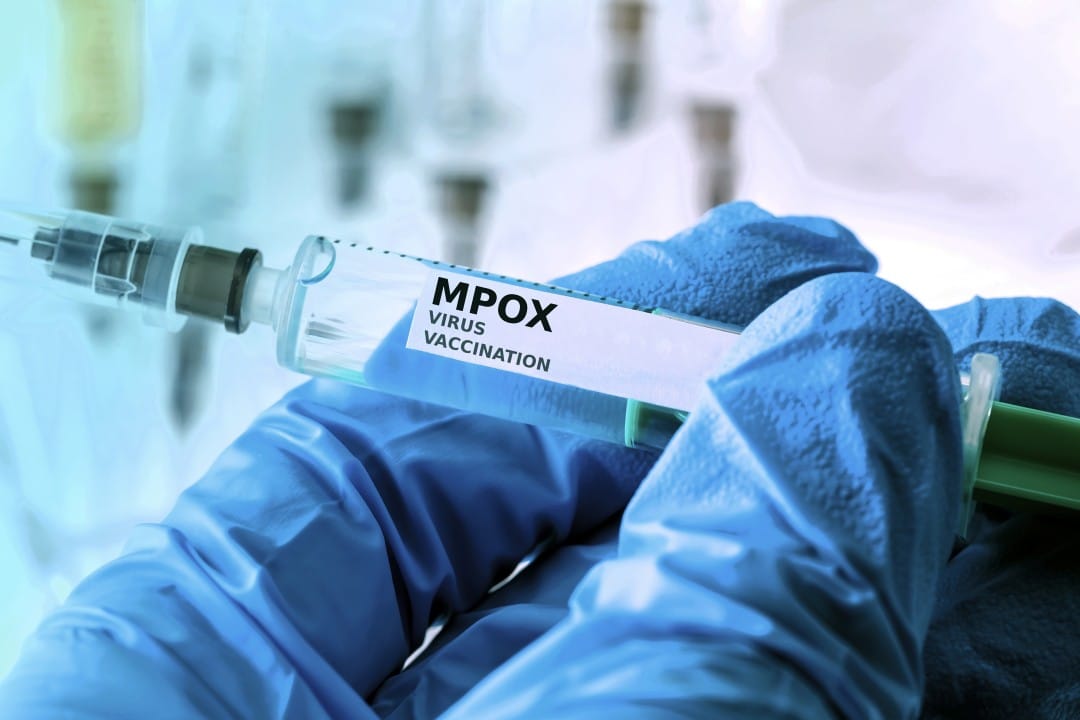
The Brasil totals 140 confirmed cases of mpox in a scenario that, according to experts, raises an alert about the need to intensify preventive measures and vaccination. The disease, caused by the MPXV virus, has demonstrated a persistence that demands continuous attention from health authorities and the population. Além of the confirmed cases, there are another 539 cases classified as suspected, indicating that epidemiological surveillance remains crucial to contain the spread.
The current situation reflects the importance of understanding transmission mechanisms and the most vulnerable groups. The increase in cases in recent weeks may be associated with large crowd events, such as Carnival, a period in which there is greater social contact and, consequently, a greater risk of transmission. Este table, although not considered dangerous in terms of lethality, highlights the urgency of a coordinated response to protect public health.
Infectious disease specialist Álvaro Costa, member of the sexually transmitted infections committee of Sociedade Brasileira of Infectologia (SBI) and technical consultant of Ministério of Sua analysis points to the strategic importance of vaccination as a primary tool to slow the contagion curve and protect communities most exposed to the virus.
Increase in infections and epidemiological alert
The notification of 140 confirmed cases of mpox, with the addition of more than five hundred suspected cases in the investigation phase, represents a situation that requires increased attention from health systems. The transmission dynamics of the MPXV virus, particularly in close contact environments, drives the need for rapid and effective actions to control the chain of infection.
Analysis of contagion patterns reveals that the circulation of the virus continues, especially after festive periods. Esta This finding reinforces the importance of the population adopting reduced risk behaviors, understanding that individual responsibility plays a significant role in collective protection against the spread of infectious diseases.
What is known about the transmission and symptoms of mpox
Mpox is a viral infection characterized by a series of symptoms that, although generally self-limited, can be intense and require medical attention. Transmission of MPXV occurs mainly through direct contact with infected people or contaminated materials. Isso includes interactions such as hugs, kisses and sexual intercourse, where skin-to-skin contact is more intense and prolonged, facilitating the exchange of secretions or contact with active skin lesions. Além Furthermore, sharing personal objects, such as clothes, towels and cutlery, can also be a route of contamination, reinforcing the need for strict hygiene.
The incubation period for the virus can vary significantly, generally from 3 to 16 days, but with the potential to extend up to 21 days. The main signs and symptoms of the infection include the appearance of rashes or skin lesions, which can appear anywhere on the body, accompanied by swollen lymph nodes, fever, body aches, headache, chills and generalized weakness. Tais manifestations usually last between two and four weeks, being more severe in immunosuppressed individuals, who require more intensive clinical monitoring to avoid secondary complications.
The importance of vaccination and its challenges
Vaccination is recognized as the most effective strategy for preventing mpox, offering a protective barrier against infection and minimizing the severity of symptoms. No Brasil, the immunization process began in 2023, after Agência Nacional of Vigilância Sanitária (Anvisa) granted authorization for the provisional use of the immunizing agent known as Jynneos or Imvanex. Este medicine is produced exclusively by the pharmaceutical company Bavarian Nordic, which has a direct impact on global availability and distribution logistics.
The limited production of the vaccine by Bavarian Nordic poses a significant challenge to global access to the vaccine, resulting in the prioritization of specific groups for application. Essa política de alocação visa proteger primeiramente as populações com maior risco de exposição ou de desenvolver formas graves da doença, garantindo que os recursos limitados sejam empregados onde são mais necessários para a saúde pública.
In the Brazilian context, immunization against mpox is currently targeted at populations that meet high vulnerability criteria. Estes groups include people between 18 and 49 years old who live with HIV/Aids, due to their immunosuppressed condition, and laboratory professionals who directly handle the virus, due to their high occupational exposure. Além In addition, individuals over 18 years of age who have had direct or indirect contact with fluids and secretions from an infected person are also eligible for vaccination, as a measure of post-exposure prophylaxis.
Additionally, if available in the public health network, the vaccine can be extended to individuals who use HIV pre-exposure prophylaxis (PrEP). Esta expansion reflects a recognition of overlapping risk factors among sexually transmitted infections and seeks to offer more comprehensive protection to groups already engaged in prevention practices against other diseases, demonstrating a continued effort to adapt public health strategies to epidemiological needs.
Preventive measures and the role of hygiene
In addition to vaccination, the adoption of strict hygiene practices and protective behaviors are essential to complement the defense against mpox. Frequent hand washing with soap and water, as well as the constant use of alcohol gel, are simple but highly effective physical barriers in interrupting the virus transmission chain in everyday environments and after contact with surfaces or people.
Correct cleaning and disinfection of objects and surfaces that may be contaminated also plays a crucial role. Isso includes regular cleaning of clothes, sheets and towels, which can harbor the virus if used by an infected person. Attention to these details in the home environment and in collective spaces contributes significantly to reducing the spread.
For those who have close contact with people diagnosed with mpox, Ministério of Saúde advises the use of personal protective equipment, such as gloves and masks. Essas physical barrier measures are vital to minimize the risk of direct exposure to secretions and injuries, protecting both the caregiver and other people in the environment, and reinforce the importance of a multifaceted approach to disease prevention.
Current scenario and expert recommendations
The epidemiological scenario of mpox in Brasil requires constant surveillance and adherence to guidelines from healthcare professionals. Rapid identification of symptoms and seeking medical assistance are fundamental steps for adequate management of the disease and prevention of complications. Além Furthermore, clear communication about risks and forms of prevention is crucial to keeping the population informed and engaged in the public health response.
According to infectious disease specialist Ele reforça que a educação em saúde, a disponibilidade de informações precisas e o acesso aos meios de prevenção, como a vacina, são pilares para manter o controle e evitar surtos de maior proporção em todo o território nacional, especialmente em áreas de maior densidade populacional.
Impact on specific groups and the search for medical assistance
Mpox, although often with a mild course, can present more severe manifestations in specific groups, such as those who are immunosuppressed. Nesses individuals, the body’s ability to fight the virus is reduced, which can lead to a more complex clinical picture and a high risk of secondary complications. Surveillance and early treatment are therefore doubly important to ensure recovery.
It is essential that anyone experiencing symptoms compatible with mpox, such as unexplained skin rashes or swollen lymph nodes, seeks medical attention immediately. Medical evaluation is essential for an accurate diagnosis and indication of appropriate treatment, which may include symptom management and, in more serious cases, specific therapies to control the infection.
Delay in seeking medical help not only compromises the health of the infected individual, but also increases the risk of transmitting the virus to others in the community. Awareness of symptoms and prompt action in seeking care are acts of individual responsibility that reverberate in the protection of collective health, minimizing the impact of the disease on society.
Healthcare professionals play a critical role in disseminating accurate information and encouraging demand for care. Continuous training of these professionals on mpox and other emerging diseases ensures that they are able to recognize cases, guide patients and apply the best control and prevention practices, contributing to an effective health system response.
Ongoing surveillance and public health response
Continuous epidemiological surveillance is a fundamental pillar for the control of mpox in Brasil, allowing health authorities to monitor the incidence of cases, identify dissemination patterns and adapt intervention strategies in real time. Collecting and analyzing data about the disease is crucial to understanding the evolution of the epidemic and directing prevention and treatment efforts efficiently.
The public health response involves not only identifying cases, but also investigating contacts and implementing containment measures to prevent large-scale spread. Coordination between different levels of the health system, from primary care to specialized centers, is essential to guarantee an integrated and comprehensive approach to the challenges posed by the mpox virus.



