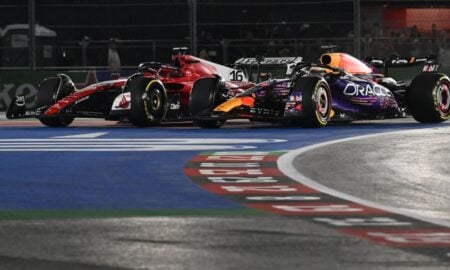
Carlos Sainz criticizes the safety of the new Formula 1 regulations after the Australian GP

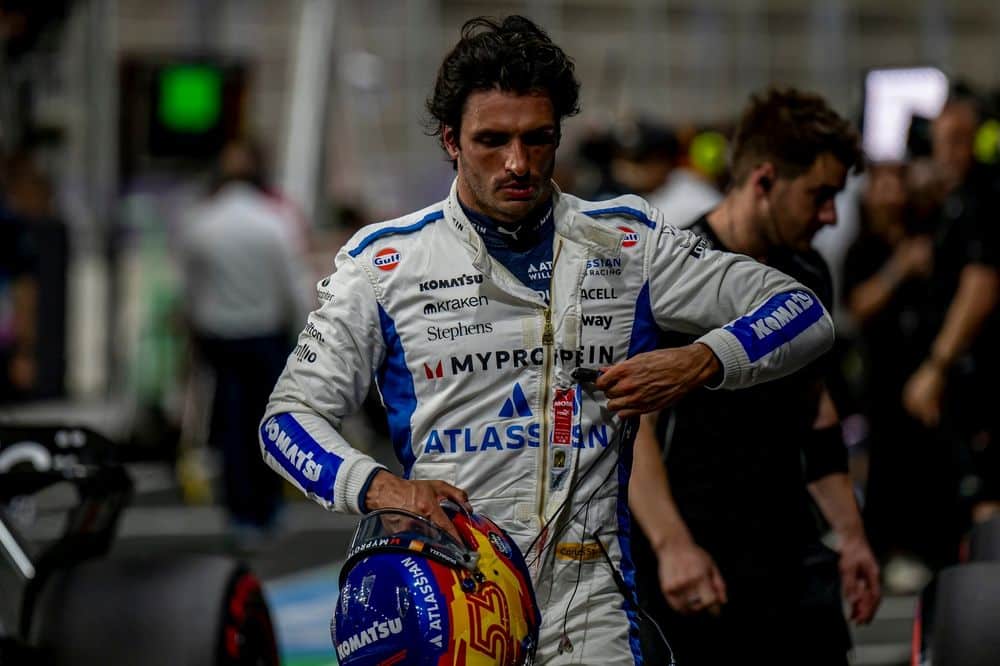
The opening of the 2026 season of Fórmula 1 in Melbourne brought to light a series of intense debates about the technical direction of the top category of world motorsport. The Spanish driver Carlos Sainz Jr., currently defending the colors of the Williams, expressed deep dissatisfaction with the behavior of the new cars during the Grande Prêmio of the Segundo the competitor, the experience on the track revealed structural flaws that compromise the integrity of the athletes, especially in high-speed situations and direct disputes for position.
The new regulations, which introduced active aerodynamics and a much greater reliance on the electric power unit, were the main target of the 31-year-old’s experienced driver’s complaints. Sainz finished the inaugural race in 15th place, a result that he attributes not only to the performance of the equipment, but to the extreme handling difficulties imposed by the new rules. The pilot emphasized that the sport needs to prioritize the well-being of those involved before focusing exclusively on spectacle or technological sustainability.
- Aerodynamic instability in vacuum situations during the initial laps.
- High risks at the start due to the unpredictable behavior of electronic systems.
- Electrical power divided equally (50-50) which does not meet the demands of the tracks.
- Widespread feeling of insecurity among drivers on the current grid.
Severe criticism of the propulsion system and aerodynamics
Carlos Sainz’s dissatisfaction is not an isolated case within the paddock, but his post-race statements on Melbourne were particularly blunt and detailed. The Spaniard highlighted that the combination between active aerodynamics, which changes the configuration of the wings during the course, and the new energy mapping created a scenario of uncertainty for those behind the wheel. Ele reported that the vacuum generated by the cars in front makes driving dangerous, something that should not be the standard in a category that calls itself the top of automotive development.
The power supply scheme, now divided equally between the combustion engine and the electrical part, was also harshly questioned by the representative of Williams. Para Sainz, the formula adopted by Federação Internacional of Automobilismo (FIA) does not seem to work in the practice of high-level competitions and requires urgent adjustments to avoid serious incidents. Ele categorically stated that the feeling of discontent is shared by most of his colleagues, indicating a climate of tension behind the scenes.
International federation evaluates changes after pressure from pilots
Faced with the criticism that spread after the first stage of the year, the FIA has already begun to signal that it may intervene in the regulations to calm the feelings of teams and drivers. The entity’s single-seater director, Nikolas Tombazis, admitted that there are possibilities for adjusting the cars’ energy management for the next stages of the championship. Essa technical review is seen as an immediate need to ensure that competitiveness is not undermined by artificial limitations of new engines.
The expectation now revolves around the Grande Prêmio of the China, which will serve as a new laboratory to observe whether the problems reported in the Austrália persist on a different route. The sport’s highest governing body prefers to wait for data from one more official race before implementing any definitive changes to the 2026 rules. However, the pressure exerted by big names like Sainz places the technical commissioners under constant surveillance from the media and the specialized public.
Technical challenges for Williams in adapting to the new scenario
The Williams team, a traditional British team, faces its own obstacles in extracting performance from a project that still appears to be in the maturation phase. Sainz’s 15th place in Melbourne reflects the difficulty of an average team in balancing energy consumption with the aerodynamic efficiency required by the new components. The team’s engineers work urgently to provide the Spaniard with a more stable and predictable car for the challenges that will come in the Asian stages.
Throughout the weekend on Australian soil, it was clear that Williams struggled to find the ideal setup, dealing with reliability problems that affected several cars on the grid. Sainz reinforced that, in addition to performance, safety must be the central pillar of any technological innovation introduced by Fórmula 1. Ele hopes that the team will be able to evolve the software systems that manage torque delivery, minimizing the risks highlighted in their public statements.
Detailed schedule for the China grand prize
Motorsport fans should pay attention to the schedules of activities at Circuito Internacional and Xangai, which follow the local time zone and promise busy early hours for Brazilian viewers. The official training and racing schedule for this weekend is as follows:
- Friday (13): Primeiro free practice at 00:00 and sprint race classification at 04:15.
- Friday (13): Largada of the sprint race scheduled for 11pm.
- Saturday (14): Classificação for the main GP takes place at 03:45.
- Sunday (15): Largada of Grande Prêmio of China of Fórmula 1 at 03:30.
Impact of new technologies on overtaking dynamics
The central objective of the 2026 technical overhaul was to increase the number of overtakings and make disputes more balanced through the strategic use of energy. Contudo, what was seen on the Melbourne track was an additional difficulty for the pilots to maintain the necessary proximity without losing control of the front axle. The active aerodynamics, which should facilitate the pursuit, ended up generating turbulence which, according to Sainz, makes the sport less intuitive and more dangerous for those attempting the maneuver.
The transition to more sustainable technologies is a path of no return for the automotive industry and for Fórmula 1, but the practical execution of this project is under fire. Pilots argue that the weight of the batteries and the complexity of the energy recovery systems drastically altered the dynamic behavior of the single-seaters. Essa change requires a complete readaptation of the riding style, which in a scenario of technical insecurity, generates immediate resistance from the main protagonists of the show.
Reflections behind the scenes and the dissatisfaction of the grid
Not only Carlos Sainz, but several team bosses and other top competitors have expressed similar concerns about the direction the series has taken. The central argument is that the current “Formula” has moved away from the essence of pure speed in favor of excessive electronic management that takes the shine off individual talent. Sainz’s outburst stating that “no one is satisfied” resonates as a red alert for the championship organizers, who depend on the drivers’ support to validate the category’s commercial success.
The atmosphere in the paddock is one of cautious observation, with many teams awaiting the updates that will be allowed by the FIA after the technical analysis of the first races. Safety, mentioned repeatedly by the Spaniard, has become the main trump card in negotiations for the regulation to be relaxed or corrected before a serious accident occurs. The unity of drivers around this issue could force faster changes than originally foreseen in the federation’s schedule.
Technical outlook for the 2026 championship sequence
The evolution of the cars throughout the season is a hallmark of Fórmula 1, but 2026 presents a much steeper learning curve due to the radical nature of the changes. Engineers are focused on mitigating the effects of loss of downforce in fast corners, one of the points most criticized by Carlos Sainz in his interview. The search for a balance that allows safe and at the same time exciting racing will be the great technical challenge in the coming months for all engine manufacturers.
It is expected that by the middle of the season, with the accumulation of mileage and real telemetry data, the teams will be able to resolve the most critical instabilities highlighted by the drivers. However, the initial discontent of prominent figures like Sainz serves as a reminder that technological development cannot ignore the human factor. The Grande Prêmio of the China will be crucial to define whether the complaints heard in the Austrália were punctual or whether the