
End of Chainsaw Man part 2 confirmed: understand the announcement and the future of Fujimoto’s work

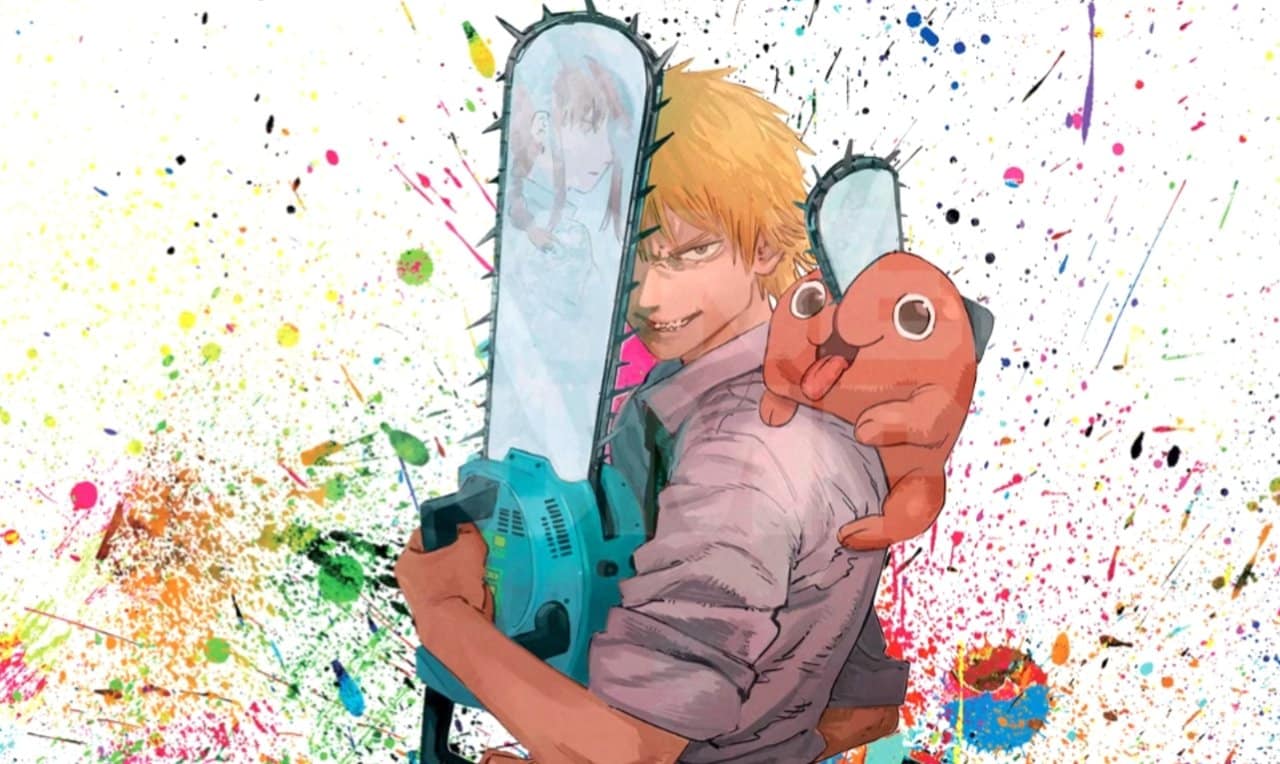
Manga fans were taken by surprise in early March 2025 with shocking news: the second part of Chainsaw Man, the acclaimed work of Tatsuki Fujimoto, was officially reaching its conclusion. The announcement, which circulated after the publication of chapter 231, indicated that only one more chapter would remain to conclude this phase of the narrative.
The revelation left the community in an uproar, with heated discussions about the direction of the story and the legacy that the series would leave. Expectations turned to March 24th, the date set for the publication of the final chapter of part 2, which promised to unravel the mysteries and tie up the loose ends of a complex and often chaotic plot.
The imminent end of the second part of Chainsaw Man not only closes a narrative cycle, but also provokes reflections on the genius and unusual style of Fujimoto, known for its unpredictable twists and psychological depth. Sua approach always challenges the conventions of the shonen genre, keeping readers constantly on the edge of their seats.
The unexpected conclusion to the Denji saga
Confirmation of the closure appeared succinctly in an editorial note at the end of chapter 231 of the manga, which hit newsstands and digital platforms on March 10, 2025. The message was clear: part 2 of Chainsaw Man would be concluded in the following edition, dated March 24.
Since its beginning on July 13, 2022, the second phase of the story, which introduced the new protagonist Asa Mitaka and Demônio from Guerra, has consolidated itself as one of the pillars of the biweekly publication. Apesar of the abrupt announcement, the news aligned, in a way, with the unpredictable nature of Fujimoto’s work.
The controversy and success of the second part
The reception of the second part of Chainsaw Man, although extremely popular, generated debate among readers. Alguns expressed criticism of the sometimes erratic plots and the shorter length of the chapters, compared to the intensity and pace of the first phase.
However, the series maintained its vast fan base and continued to dominate discussions on social media and specialized forums. The introduction of Asa, a shy student who becomes host to Demônio’s Guerra, added a fresh layer to the narrative, exploring new perspectives on demons and humanity, as Denji navigated a more mundane existence.
The shocking development of chapter 231
Chapter 231 plunged readers into one of the darkest and most enigmatic moments of Denji’s journey, with a deep and disturbing dialogue between him and Pochita. The sequence began with Pochita revealing to Denji that they had both been consumed by a demon, a foreshadowing of the fate that awaited the protagonist. As Após assumed his iconic Homem-Chainsaw form, Pochita handed Denji a brutal truth: the young man’s inability to experience full happiness, even as his deepest dreams were achieved. In a chilling sentence, he pondered that Denji had been happier in the early days of history, when his existence was a daily struggle for survival, selling organs and consuming stale bread. “It turns out you had the worst kind of brain, but the best,” Pochita stated, “One that can only find heaven when you’re in hell.” The climax of the chapter involved Pochita devouring himself, an act that erased Homem-Chainsaw’s very existence from the world, due to his singular power to destroy the demons he consumes. Seu’s goal was to grant Denji a new chance to “keep dreaming,” culminating in a nostalgic scene of the same decaying cabin where the boy had resided at the beginning of the series, leaving an air of melancholy and uncertainty about his future.
The psychological complexity and narrative of Fujimoto
Tatsuki Fujimoto is an author who stands out for his originality and constant subversion of narrative expectations. Sua written in Chainsaw Man, and in other works such as Fire Punch and Look Back, is characterized by a deep emotional charge disguised under the veil of an often absurd and unpredictable shonen fantasy.
He avoids clichés and refuses to follow formulas, creating stories that are at once brutally frank and deeply human. Fujimoto’s ability to explore its characters’ psychology and moral dilemmas in a universe full of demons is one of the series’ greatest assets.
Many readers and critics argue that true appreciation of Fujimoto’s work, especially its more complex arcs, can only be achieved after a rereading. Breaking the wait between chapters allows for a more complete view and a deeper understanding of the nuances and symbolisms that the author weaves into his narrative.
Theories and hopes for the future of the franchise
With just one chapter remaining, the fan community has been overwhelmed by a flood of theories and speculation. Muitos questions about the world of Chainsaw Man and its complex mythology remained unanswered, fueling curiosity and the desire for more.
However, a spark of hope emerged amid the uncertainty. The memory of a similar message about a “final chapter” that marked the end of Parte 1 in the series serves as a precedent. Naquela occasion, the announcement did not mean the absolute end of the franchise, but rather a transition to the second part, suggesting that Fujimoto could be preparing a new phase, possibly a “third film” or a new narrative arc.
The possibility of the story continuing in a different format, like a movie or new serialization, is a hot topic among fans. The author’s provocative nature suggests that any conclusion presented may just be a prelude to something even bigger and more unexpected.
Fujimoto’s history of defying convention and the unpredictability of its plots lead many to believe that the “end” of Parte 2 may just be a bridge to a new adventure for Denji and the other characters, or perhaps to the introduction of new protagonists in an expanded universe.
Chainsaw Man’s influence on pop culture
Chainsaw Man quickly transcended the boundaries of manga, becoming a global pop culture phenomenon. Sua Unique aesthetics, memorable characters and engaging plot won a legion of fans around the world, solidifying its status as one of the most influential works of the decade.
The anime adaptation, produced by studio MAPPA, further boosted the franchise’s popularity, introducing the story to an even wider audience and receiving acclaim for its visual quality and fidelity to the source material. The series became a milestone for the genre, inspiring new creators and challenging traditional expectations.
Community reactions and the wait for the epilogue
The news of the end of part 2 of Chainsaw Man triggered a wave of mixed reactions among readers. Enquanto some expressed sadness and anxiety about the outcome, others were excited about the prospect of a decisive conclusion and the potential for the author’s future projects.
Social networks were flooded with fan arts, in-depth analyzes and fervent discussions about the possible developments of the last chapter. The wait for March 24, 2025 has become a period of intense expectation and collective speculation.
The artistic and thematic legacy of the work
Chainsaw Man leaves an undeniable artistic and thematic legacy in the manga and anime scene. Tatsuki Fujimoto’s work is distinguished by its ability to mix scenes of visceral action and moments of eccentric humor with a profound exploration of the human condition, existentialism and the search for meaning in a brutal world. The complexity of its characters, such as Denji, who longs for an ordinary life, and Asa, who deals with the burden of a demon, resonates with readers.
The manga is a masterclass in visual storytelling, using dynamic panels and cinematography that few can replicate, creating a reading experience that is both frenetic and introspective. The subversion of shonen tropes and refusal to offer easy answers solidifies Chainsaw Man as a work of art that challenges and rewards its viewers.
Analysis of the main characters and their journeys
The trajectory of Denji, the protagonist, is one of the pillars of Chainsaw Man. Começando as a hopeless young man with unpayable debts, his fusion with Pochita transformed him into Chainsaw Man, a being with extraordinary powers but who fights for worldly desires like food and a home. Sua evolution throughout the series, from an isolated individual to someone who seeks human connections, is complex and captivating.
Wing Mitaka, introduced in the second part, represents a fascinating counterpoint to Denji. Como host of Demônio of Guerra, she seeks a normal life while being forced to deal with the consequences of her new nature. The interplay between these two characters and the ambiguous role of Pochita, the original “chainsaw demon”, are crucial to the emotional and philosophical depth of the narrative, exploring themes of sacrifice, identity and the nature of happiness.
The manga’s visual style and cinematography
Tatsuki Fujimoto’s art style is one of the most distinctive and praised aspects of Chainsaw Man. Suas illustrations combine a raw and dynamic line with remarkable expressiveness in the characters and creatures. The way Fujimoto uses panel layout is particularly innovative, resembling comic book cinematography, with dramatic close-ups, action sequences that convey speed and impact, and transitions that guide the reader’s eye in a fluid and exciting way.
He is not afraid to experiment with composition, breaking the traditional grid to create moments of shock or great beauty. The attention to detail in settings and the grotesque yet stylized depiction of demons contribute to the manga’s unique atmosphere, making each page an intense and memorable visual experience. Essa’s artistic approach elevates Chainsaw Man beyond a simple action manga, positioning it as a visually rich work of art.
Consequences for the manga industry
Chainsaw Man’s impact on the manga industry is remarkable, influencing new trends and opening doors for bolder narratives. The series’ resounding success demonstrates that there is an audience eager for stories that defy convention and explore complex themes with originality.
The popularity of manga and anime highlights the importance of authors with unique visions, like Fujimoto, in revitalizing the market and inspiring a new generation of creators. The work served as a catalyst for discussions about creative freedom and the limits of the shonen genre.
The global fan base and its engagement
Chainsaw Man has cultivated an incredibly dedicated and engaged global fanbase, which manifests itself in diverse forms of expression and celebration. Essa active community is a reflection of the work’s universal appeal, which transcends cultural and linguistic barriers.
Engagement is visible in:
–Fan arts and cosplays:Milhares of artists and cosplayers recreate characters and scenes, highlighting the deep emotional connection with the series.
–Theories and analyses:Fóruns online and social networks are stages for in-depth discussions about the plot, symbolism and possible outcomes.
–Merchandise and events:The high demand for licensed products and the presence at anime and manga conventions around the world underline the commercial success of the franchise.
–Collaborations:The series often inspires collaborations with other brands and artists, expanding its reach and relevance in pop culture.
This collective passion not only keeps the series relevant, but also fuels anticipation for any future endeavors in the Chainsaw Man universe.
The evolution of the story and narrative arcs
The transition from Parte 1 to Parte 2 from Chainsaw Man marked a significant evolution in the narrative structure and themes covered. Enquanto the first part focused on Denji’s search for a normal life and his fight against powerful demons alongside figures such as Makima, the second part introduced a new protagonist, Asa Mitaka, and expanded the mythological scope of the universe.
The narrative arcs of Parte 2 explored in more depth the consequences of the existence of demons in society, the complexities of human relationships and the constant tension between the desire for normality and the call for destruction. Novos antagonists and unexpected alliances kept the plot fresh, without losing the chaotic and emotional essence that defines the work of Fujimoto, consolidating the idea that the universe of Chainsaw Man is vast and full of stories to be told.
Expectations for future projects from Tatsuki Fujimoto
With the announcement of the end of Parte 2 from Chainsaw Man, the eyes of the industry and fans turn to Tatsuki Fujimoto and its next creative moves. Conhecido Due to his versatility and the depth of his previous works, expectations are high for what the mangaka will bring next. Seu’s track record of releasing acclaimed one-shots and genre-redefining series suggests that any new project will be innovative and impactful.



