
The ability to keep the frame perfectly aligned during moving recordings has become a key technical differentiator in recently launched high-end smartphones. Modern devices use a combination of advanced hardware and precise algorithms to correct image orientation in real time, eliminating the need for external mechanical stabilizers.
Continuous processing of physical data ensures dynamic image capture reaches a professional standard directly on the mobile device. The integration of high-precision internal components identifies the subtlest variations in angle and speed, applying immediate compensations to the user-generated video file.
The automatic alignment functionality presents direct advantages for daily audiovisual production:
– Dispensa the use of heavy stabilization equipment.
– Permite complete rotations of the device without changing the horizon line.
– Reduz the time required for corrections in editing software.
Content producers and ordinary users find this tool a practical solution for recording intense activities with ease. The popularization of this system on mobile phones represents an important transition from a technology that was previously restricted to niche equipment to the mass consumer market.
Horizontal blocking operation on sensors
The optical and digital correction mechanism depends directly on the joint reading of the gyroscope and accelerometer integrated into the device board. The gyroscope accurately measures the angles and speed of rotation in the three spatial axes during recording. Simultaneamente, the accelerometer maps the direction of gravitational force to establish a physical basis.
The intersection of these two sources of information creates a virtual terrestrial reference within the operating system. Esta reference guides the main processor about the exact position of the phone in three-dimensional space every millisecond. Após After collecting this physical data, the camera software comes into action by applying dynamic cropping and inverse rotations to the image sensor.
In state-of-the-art models, artificial intelligence predicts the user’s movements based on the detected displacement pattern. The system anticipates the necessary compensation even before the tremor affects the final framing. The calculation performed in fractions of a second results in stable recording, regardless of whether the operator is running, jumping or filming from inside a moving vehicle.
Values and options in the premium telephone market
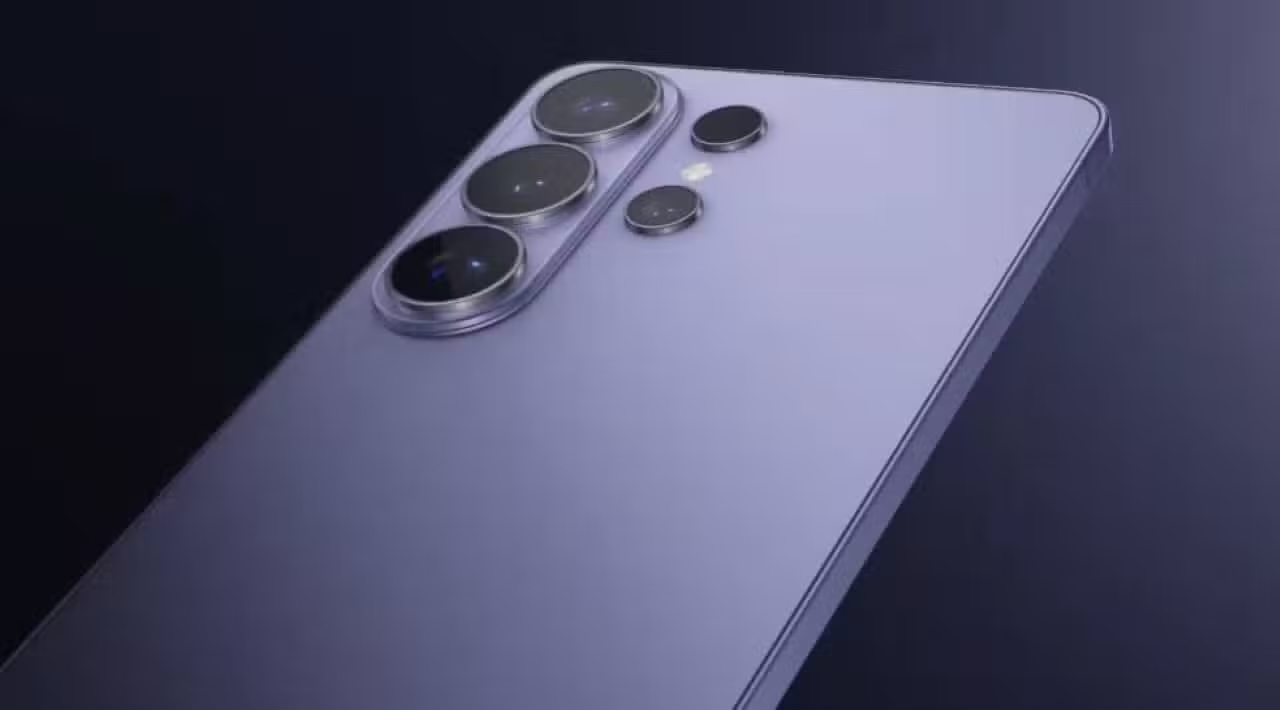
The Samsung Galaxy S26 Ultra model, officially announced in February 2026, acts as the main representative of this technology in the global premium telephony segment. With a starting price set at R$11,500, the device offers a native horizontal lock feature, which supports 360-degree rotations without losing the original orientation of the captured scene. The device’s dedicated image processor can apply these corrections at very high resolutions, maintaining sharpness and colors faithful to the real environment, which attracts demanding consumers and professionals in the audiovisual sector.
In a more accessible price range, the Motorola line of cell phones offers intelligent stabilization on devices such as the Edge 60, sold for approximately R$2,500 at retail. The manufacturer recently expanded its portfolio with the launch of the Moto Signature, presented to the public on March 9, 2026, which also incorporates factory functionality. The commercial strategy aims to deliver high-level creation tools to consumers looking for value for money, ensuring access to modern recording resources without the need to invest in the most expensive models on the market.
Origins of Image Leveling Technology
The origins of automatic horizon alignment date back to the action camera market, designed specifically to withstand extreme environmental conditions. The company GoPro pioneered the introduction of horizon leveling in the year 2019. The innovation set a new technical standard for recording extreme sports and outdoor activities.
The brand’s current equipment, which costs an average of R$3,500, continues to lead the adventure and intense motion image capture sector. Competitor Insta360 entered the fray by adopting a similar function in 2025, focusing on improvements processed via software. The manufacturer has developed a dynamic cropping technique in the image sensor that allows precise centering even under strong shake.
The transition of this technology to smartphones began gradually in the following years. Motorola implemented initial versions of the advanced stabilization system in 2023. The constant evolution of mobile processors has allowed complex spatial geometry calculations to be performed without causing cell phones to overheat.
The entry of the Samsung into the segment in 2026 consolidated the feature as a basic requirement for high-end models. The miniaturization of optical components proved essential so that thin phones could house sensors capable of rivaling dedicated action cameras. The hardware’s maturation has paved the way for mass adoption by other global technology brands.
Application in routine audiovisual production
The daily application of this technology transforms the routine of professionals who work in mobile journalism, covering corporate events and digital marketing campaigns. Camera operators can capture interviews on the move or record crowd scenes without having to carry three-axis gimbals, which saves assembly time and makes it easier to move around in crowded areas. The guarantee that the horizon will remain straight dramatically reduces hours spent in editing bays correcting crooked videos, allowing for near-instant publication of broadcast-quality material. Além For strictly professional use, travel enthusiasts and amateur sports enthusiasts use the tool to document off-road trails, bike rides and family activities with a cinematic aesthetic. The integration of horizontal locking with recording modes in 4K and 8K resolutions ensures that the final material has sufficient pixel density for cuts and approximations in post-production, generating robust files that stand out visually on short video platforms and social networks focused on visual aesthetics.
Engineering differences between manufacturers
The engineering approach varies significantly among companies that offer advanced stabilization in their product catalogs. The Samsung focuses its efforts on deep integration between the optical set and artificial intelligence, using neural networks to predict the device’s trajectory and apply predictive corrections. The method requires great processing power, justifying the presence of cutting-edge chips in its most expensive models.
On the other hand, action camera manufacturers such as GoPro and Insta360 prioritize the physical durability and wide field of view of the lenses. The leveling systems of these brands are designed to withstand direct impacts, submersion in water and sudden temperature variations. The equipment operates with ultra-angular lenses that capture a much larger area of the scene, ensuring scope for digital cropping without losing vital information.
Requirements for the operation of the system
The efficiency of the stabilization system is directly linked to the amount of light available in the recording environment. The sensors require adequate brightness to maintain high shutter speed and avoid motion blur, a phenomenon that confuses the correction algorithm. Manufacturers expressly recommend using the feature in open spaces with abundant natural light or in studios with strong artificial lighting, as nighttime scenarios reduce the accuracy of automatic leveling.
Operational Guidelines for Video Capture
To extract maximum performance from automatic leveling, the operator must follow basic operational guidelines before beginning to capture images. Proper preparation of the equipment avoids spatial reading errors and guarantees the fluidity of the final file recorded in the mobile device’s memory.
Technical recommendations include enabling advanced stabilization mode in the camera app’s native settings. The user should avoid using magnetic covers that may interfere with the operation of the internal gyroscope. Manter device firmware updated with the latest software fixes is also essential for the correct processing of physical data during recording.