
Galaxy S26 Ultra undergoes drop test and shows greater damage to aluminum frame

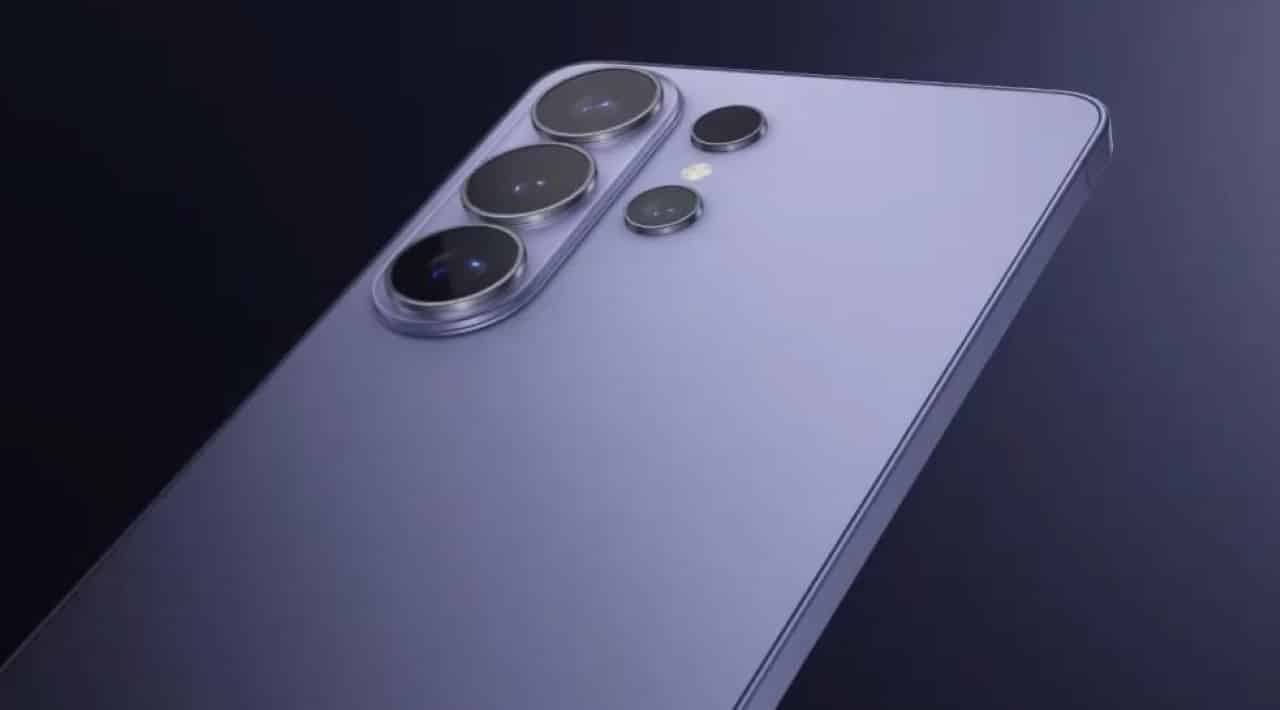
The Galaxy S26 Ultra underwent a rigorous drop test carried out by the PBKreviews channel, in which the device was dropped from a height equivalent to that of a person standing on a concrete floor. The device survived the four falls without losing complete functionality, keeping the screen and operating system intact. However, the aluminum frame showed more pronounced visible damage than that seen on the Galaxy S25 Ultra, which used titanium. The material change aims to reduce weight and thickness, but has resulted in greater susceptibility to scratches and deep marks in corners and edges.
The falls occurred at different angles, including frontal, rear and side impacts. The screen protected by Gorilla Armor 2 resisted without cracking in all attempts, demonstrating high durability in the main panel. Já the rear camera module suffered significant damage, with the 5x telephoto zoom lens cracking after the second fall and complete shattering in the third. S Pen was ejected in the fourth crash, although it remained operational.
Aluminum structure accumulates visible damage
The frame in Armor Aluminum 2 showed more obvious scratches and dents after the first falls. Especialmente on the corners and side edges, the marks appeared deeper and more cosmetic than on the previous model with titanium.
This difference is due to the lower hardness of aluminum compared to titanium, the material adopted in the Galaxy S24 Ultra and S25 Ultra. Apesar of the damage, the device maintained structural integrity and did not present critical flaws in its internal functioning.
Rear cameras prove to be a vulnerable point
The camera array suffered the most severe impact during the test. The lens dedicated to optical zoom broke completely after successive direct contact with the concrete.
Other lenses in the module have also accumulated minor cracks, potentially compromising photographic quality in real-world usage scenarios. The design of the protruding camera island contributed to this fragility by exposing the lenses without sufficient additional protection.
Direct comparison with previous generation
The Galaxy S25 Ultra, with a titanium frame, showed less cosmetic damage in similar tests. Titanium absorbed side impacts better, resulting in superficial scratches.
The switch to aluminum in the S26 Ultra prioritized weight reduction, making the device lighter and thinner. Usuários who value extreme resistance can notice the difference in everyday situations of accidental falls.
Test reinforces importance of extra protection
Even with functional survival, the results indicate that the use of a cover and protective film remains essential to preserve the aesthetics and integrity of the device. Quedas have repeatedly highlighted that aluminum, while robust for everyday use, does not match titanium in severe impact scenarios.
The Galaxy S26 Ultra maintains IP68 certification against water and dust, but the test focused exclusively on mechanical resistance to drops. Fabricantes recommend original accessories to minimize risks in accidents.
Final Test Procedure Details
All falls were performed from an approximate height of 1.5 meters onto a rigid concrete surface. The device was launched without any cover or additional protection to evaluate pure materials.
After four attempts, the smartphone continued to turn on, with a responsive touchscreen and front cameras intact. The damage was mainly concentrated on the side frame and rear camera module.
The full test video is available on the PBKreviews YouTube channel, where visual comparisons with the S25 Ultra illustrate the differences in accumulated damage.



