
New dinosaur miniseries produced by Steven Spielberg reaches the top of Netflix globally

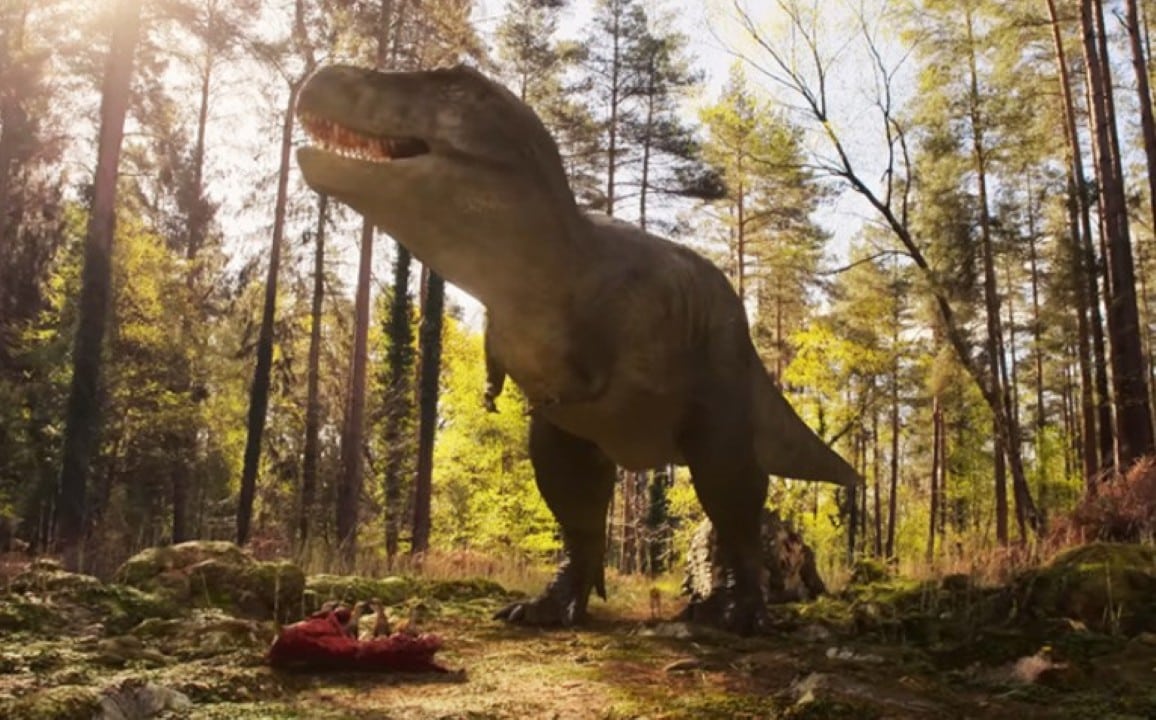
The recent premiere of a documentary production focused on prehistoric life achieved absolute audience leadership on the most popular streaming platform in the world. The audiovisual project, which explores fauna from the Mesozoico period, quickly gained subscribers after its inclusion in the international catalogue. The work combines narratives of animal survival with advanced digital rendering technologies to recreate the planet’s past.
The development of the project counted on the executive supervision of renowned professionals from the film industry, ensuring an aesthetic standard comparable to the major releases of Hollywood. The original narration in English features an iconic cinematic voice, an element that adds gravity and an epic tone to the description of the natural events portrayed on screen throughout the episodes.
Viewing data indicates that the attraction outperformed established fiction titles and other documentary series in its first few days of airing. The global engagement demonstrates continued public interest in content that reconstructs Terra’s distant past based on recent discoveries and up-to-date research.
The visual revolution in prehistoric representation
The technical aspect of the production represents a milestone in the creation of computer-generated images for television. Equipes specialized in visual effects, with a history in billion-dollar cinema franchises, took on the responsibility of modeling each creature with anatomical precision. The work involved simulating skin, feather and scale textures based on newly discovered fossil records.
The integration of digital models with real scenes filmed in remote locations creates a perfect optical illusion for the viewer. The natural environments were hand-picked to mimic the climatic conditions and predominant flora of millions of years ago. Essa technical fusion eliminates the perception of artificiality common in older documentaries.
The animals’ movements were choreographed based on detailed biomechanical studies. Especialistas analyzed the bone structure of the species to determine the exact way they walked, hunted and interacted with the ecosystem. The result is a motor fluidity that gives weight and realism to the gigantic creatures that dominate the screen.
Lighting and photography also play key roles in building the series’ atmosphere. The use of natural light, dynamic shadows, and framing typical of contemporary wildlife documentaries helps sell the idea that real cameras were present during the age of the dinosaurs.
Scientific rigor and specialized consultancy
The theoretical foundation of the miniseries moves away from the monstrous representations often seen in pop culture. A multidisciplinary team of paleontologists, biologists and geologists followed all stages of production, from the conception of the scripts to the completion of the visual effects. The central objective was to ensure that each behavior exhibited was supported by current academic literature.
Paleontological discoveries over the past decade have significantly altered our understanding of the appearance and habits of these extinct animals. The series incorporates these updates, featuring species with complex plumage, elaborate mating rituals, and intricate social dynamics. The focus is on real biology, treating dinosaurs as authentic animals and not as killing machines.
The narrative avoids sensationalism when portraying scenes of predation and territorial conflict. Violent interactions are contextualized as ecological needs for survival and obtaining energy, devoid of malice or villainy. Essa educational approach raises the standard of scientific entertainment available on digital platforms.
Accessible format for different audiences
The episodic structure was designed to facilitate consumption in a marathon format, dividing the content into four chapters lasting approximately forty-five minutes each. Essa temporal division allows for an in-depth exploration of different biomes and geological periods without tiring the viewer. The agile editing maintains the rhythm of the narrative, alternating between moments of natural tension, such as hunting and escape, and contemplative sequences that show the peaceful routine of herbivorous herds. The absence of excessively graphic or bloody scenes makes the work suitable for family viewing, functioning as an introduction tool to science for children and young people.
The script uses clear and objective language, translating complex concepts of evolutionary biology and geology into terms that are easy to assimilate. The voiceover guides the audience through the ages, explaining climate change and mass extinction events with didactic clarity. At the same time, the orchestral soundtrack punctuates the emotions of the scenes, creating empathy for the daily struggles of the animals portrayed. Essa combination of narrative accessibility and audiovisual excellence explains the rapid rise of the miniseries to the top of the popularity rankings in several countries simultaneously.
Impact on the global streaming catalog
The immediate success of the production demonstrates the strength of the documentary genre when combined with high financial and technological investments. The title’s presence at the top of the most watched content lists reinforces the platforms’ strategy of diversifying their offerings beyond traditional drama and comedy series. The return on investment in prestigious non-fiction works attracts new subscriber profiles.
The international repercussion also drives the algorithm to recommend similar content, generating a cascade effect that benefits other scientific and historical productions available on the service. The audience phenomenon consolidates the commercial viability of big-budget documentaries, establishing a new paradigm for future project approvals in the digital entertainment sector.
The evolution of the documentary genre today
The market for productions based on real facts and science has undergone a profound transformation in recent years, driven by the demand for content that offers both educational value and high-quality entertainment. Breaking down technological barriers has allowed filmmakers and executive producers to explore themes that were previously limited by budget constraints or the inability to convincingly recreate historic and prehistoric environments. The current generation of documentaries uses visual storytelling tools borrowed from fiction cinema, creating natural dramatic arcs based on the observation of wildlife and the reconstruction of lost ecosystems. Essa sophistication attracts top talent, from award-winning directors to renowned composers, elevating the status of the documentary to a major television event. The massive acceptance of works of this complexity indicates a maturation of the streaming consumer audience, which actively seeks to expand their knowledge through immersive and visually stunning formats, redefining what is expected from factual programming.
Critical reception and public approval
Review aggregators recorded near-perfect approval ratings shortly after the episodes were released. Especialistas television and film critics have highlighted the work’s ability to generate sustained wonder, specifically praising the attention to minute details that bring the digital models to life. Scientific precision was widely celebrated in specialized publications.
On social media and discussion forums, the response from viewers echoed the enthusiasm of the specialized critics. Relatos of complete marathons on the day of launch multiplied, highlighting the high retention power of the narrative. The quality of voice acting and accessibility options also received positive mentions, ensuring that the experience was satisfactory in multiple languages.
The legacy of productions about the Mesozoic era
Human fascination with the giants that inhabited the planet before the emergence of our species remains unabated. Projetos audiovisuals of this magnitude not only update the collective imagination with the most recent scientific information, but also inspire future generations of researchers. The work establishes a new technical and narrative limit, serving as an obligatory reference for any attempt to document the natural history of Terra on screen.




