
Stardew Valley creator details features for Nintendo Switch 2 and explains delay in Europe

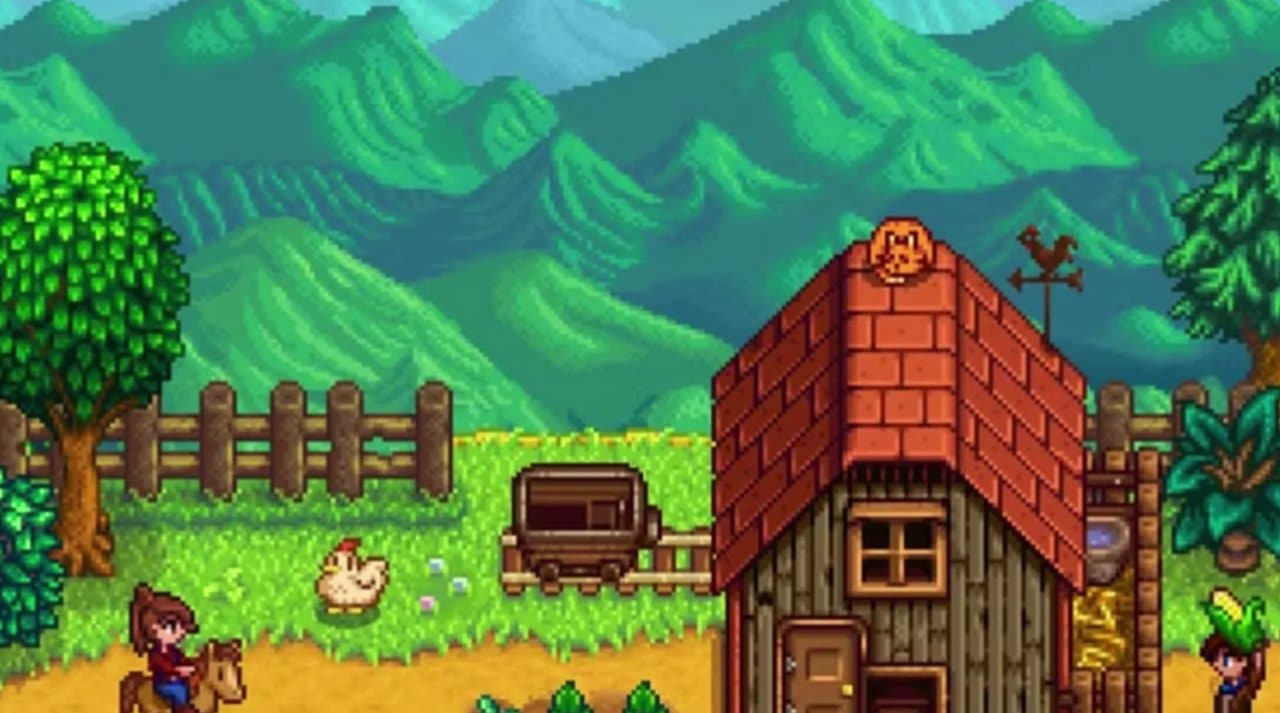
Independent developer Eric Barone, widely known in the digital gaming community under the pseudonym ConcernedApe, has revealed the behind-the-scenes process of adapting the popular farming simulator for the next generation of Nintendo hardware. The transition of the title to the long-awaited successor to the hybrid console requires a profound technical restructuring, aiming to ensure that the user experience remains fluid and free from compatibility issues. The detailed work involves rewriting fundamental lines of code and implementing native support for the Japanese manufacturer’s new peripherals.
During the portability process, the development team identified the need to redo structural elements that have accompanied the software since its first versions. Essa review covers both the graphical interface and the response of the commands to the player’s stimuli, requiring rigorous testing in different virtual scenarios.

The launch strategy had to be adjusted to meet the rigorous quality standards required by the international market, resulting in changes to the distribution schedule in specific territories. The changes directly affect the availability of the product in digital stores on the European continent, requiring patience from the local fan base.
- Complete review of the original software architecture to avoid processing bottlenecks.
- Native adaptation to the technical and hardware specifications of the new console.
- Update synchronization and feature parity across different desktop platforms.
Technical optimization and correction of historical code flaws
One of the most notable aspects of this transitional update involves the resolution of a programming error that had remained hidden in the system for almost a decade. The flaw, rooted in the original code base, required direct intervention in the way the game processes ongoing events and manages memory during prolonged exploration and farming sessions.
The elimination of this technical obstacle allows the title to operate with greater stability on the new platform, avoiding unexpected crashes or loss of progress at critical moments. The optimization ensures that loading times are drastically reduced, taking advantage of the new console’s superior processing power to deliver near-instant screen transitions between different areas of the map.
Integration with Joy-Con 2 controls and new mechanics
The arrival of the new Nintendo hardware brings with it updated peripherals, tentatively called the Joy-Con 2, that offer improved motion sensors and greater directional accuracy. The agricultural simulator will make extensive use of these capabilities to emulate the browsing experience traditionally found on desktop computers, changing the interaction dynamics.
Players will be able to use the new controls as a virtual cursor on the screen, making it easier to manage inventory, select seeds and organize farms. Essa functionality brings the console version closer to the PC edition, eliminating the exclusive dependence on directional buttons for tasks that require quick and precise clicks in menus full of items.
The implementation of this point and click mechanic solves one of the oldest demands of the community that consumes the title on tabletop platforms. The precision of the new sensors eliminates common frustration when organizing trunks and decorating indoor environments, making the process much more intuitive and dynamic for users.
Launch strategy and reasons for European postponement
Logistical planning for the game’s global distribution on the new platform encountered regulatory and location barriers on the European continent. The development team confirmed that the release of the title in this region will be strategically delayed to ensure quality parity with the North American and Asian versions, avoiding discrepancies in the initial experience.
The decision to postpone the European debut aims to avoid fragmentation of the player base and ensure that all supported languages receive due spelling and technical review. The European market, characterized by its vast linguistic diversity and strict digital certification requirements, demands additional processing time on the local servers of online stores.
The game’s creator emphasized that he would rather postpone the launch than deliver a product that does not meet the public’s expectations or that presents translation flaws that compromise immersion. Essa stance reflects a work philosophy focused on technical excellence, where the integrity of the work overrides the pressure for simultaneous release dates across the globe.
Digital stores in the region have already been notified about the change in calendar, and distribution systems will undergo adjustments to reflect the new availability window. Developers work closely with the console manufacturer’s infrastructure teams to accelerate the regional certification process and release access as quickly as possible.
History of free updates and player loyalty
Since its original release, the rural life simulator has set an unusual standard in the digital entertainment industry by providing massive content expansions at no additional cost to consumers. Maintaining this free update policy solidified a relationship of extreme trust between the independent studio and its vast base of active users. The addition of new explorable areas, seasonal festivals, relationship options and complex farming mechanics transformed the base game into a constantly evolving platform, maintaining the title’s relevance even years after its official debut on the market.
The business model adopted rejects common practices in the contemporary market, such as microtransactions or paid season passes, opting to value the player’s initial investment. Essa approach ensures that anyone who purchases the software has full access to all technical and narrative improvements developed over time. The migration to the next generation of consoles represents another chapter in this long-term commitment, ensuring that the gaming ecosystem remains unified and accessible for veterans and newcomers seeking a complete experience.
Transition of console generations in the independent games market
The adaptation of classic independent titles to new generation hardware illustrates a significant change in the way the industry preserves its digital catalog over the decades. Diferente of large corporate productions, which often require the purchase of remastered versions at full price, smaller studios seek ways that facilitate the user’s transition without penalizing them financially. The architecture of the new Nintendo console, although more robust, requires that older graphics engines be recalibrated to take advantage of higher resolutions and more stable frame rates. The technical effort dedicated to a game with pixel art graphics demonstrates that optimization goes far beyond visual aesthetics, involving the restructuring of internal databases, artificial intelligence routines for non-playable characters and cloud save systems. Essa technical dedication sets an important precedent for other independent developers planning to migrate their portfolios to the entertainment systems of the future, proving that the longevity of software directly depends on continued care for its basic infrastructure and intelligent adaptation to new control standards.
The role of independent titles in the adoption of new hardware
The presence of consolidated independent games in the initial catalog of a new console plays a strategic role in attracting and retaining consumers. Enquanto the exclusive super productions demonstrate the graphical limit of the device, they are the simulation and time management titles that keep players engaged daily in short or prolonged sessions. The portability of software with a high retention rate ensures that first-time hardware buyers have robust continuous entertainment options in the first few months of the device’s life.
Technology market analysts point out that compatibility with previous generation successes makes purchasing decisions easier for the casual public and enthusiasts. The guarantee that familiarity with the mechanics will be preserved, combined with noticeable improvements in performance and control, creates a highly favorable environment for platform transition. The development team’s care in optimizing every technical detail reflects a deep understanding of these consumer dynamics and the lasting value of independent intellectual properties.
Quality standards in the agricultural simulator industry
The technical rigor applied in the transition of this specific title raises the bar for the entire genre of farm simulation and resource management. The refusal to rush development, even in the face of the imminent arrival of highly anticipated hardware, reinforces the importance of prioritizing software stability over purely commercial goals or calendar pressures.



