
Unreleased production about dinosaurs dominates global streaming rankings with ultra-realistic effects

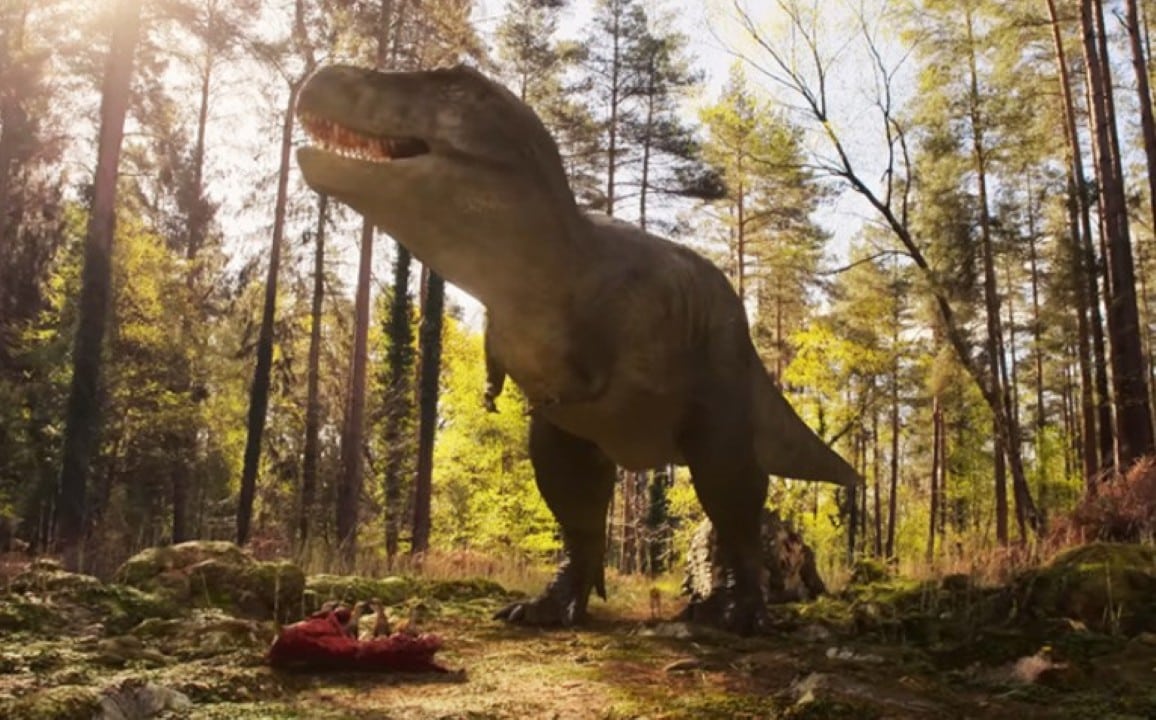
The new documentary super-production focused on the Mesozoic era reached first position in the global audience rankings of streaming platforms in its debut weekend. The audiovisual project combines recent paleontological discoveries with cutting-edge computer graphics technology to recreate the natural habitat and behavior of species that went extinct millions of years ago.
The development of the series required a joint effort between animation studios and scientific research centers around the world. Profissionais from diverse disciplines worked to ensure that every anatomical and environmental detail reflected the most up-to-date data available in international academic literature.
The narrative structure of the production presents significant technical differences in relation to traditional documentaries on the topic:
– Utilização of advanced graphics engines for rendering scenarios in real time.
– Captação audio in current wilderness environments to simulate the acoustics of prehistoric forests.
– Consultoria continuation of evolutionary biologists during all stages of three-dimensional modeling.
The public response exceeded digital entertainment executives’ initial estimates. Espectadores from different age groups and geographic regions boosted viewing rates, consolidating the work as a milestone at the intersection between scientific education and mass entertainment.
Behind the scenes of creation and visual development
The project’s conception required years of strategic planning and substantial financial investment on the part of the executive producers. The main objective established from the first script meetings was to move away from the image of dinosaurs as mere cinematic monsters, presenting them as complex animals inserted in dynamic ecosystems.
To achieve this level of authenticity, visual effects teams painstakingly analyzed newly discovered fossils that preserve impressions of skin, feathers, and internal bone structures. Essa material database allowed the digital reconstruction of body textures and movement patterns with a degree of precision unprecedented in television.
Scientific rigor in species representation
Strict alignment with contemporary science represents the central pillar of the entire documentary narrative. Paleontólogos, geologists and paleobotanists formed a standing advisory committee, reviewing each three-dimensional model before final approval for the displays.
Discoveries over the past decade have drastically altered our understanding of the appearance and behavior of diverse clades of dinosaurs. The miniseries incorporates these updates, showcasing species with dense plumage, elaborate mating rituals, and complex parental care dynamics that challenge long-held perceptions.
In addition to the fauna, the flora and topography of the Mesozoic period received meticulous attention. The recreation of continents in their original geological positions, along with the simulation of prehistoric climate patterns, provides an ecologically coherent backdrop for interactions between predators and prey.
Advances in digital rendering technology
The technical execution of the series sets new standards for the television special effects industry. The use of advanced processing algorithms has optimized the process of animating fluids, such as water and mud, as well as improving the physics of muscle movement under the creatures’ skin.
The studios responsible for post-production implemented global illumination systems based on ray tracing to simulate the refraction of sunlight on different organic surfaces. Esse method gives impressive photorealism to scenes recorded in virtual environments.
The integration between computer-generated elements and real landscapes filmed in remote locations required the development of proprietary spatial mapping software. Câmeras equipped with depth sensors captured the geometry of current forests and deserts, serving as a basis for the digital insertion of extinct animals.
Sound design acts as a fundamental component of viewer immersion. Especialistas in bioacoustics synthesized hypothetical vocalizations based on the cranial structure and resonance cavities of the fossils, creating a soundscape that complements the visual grandeur of the work.
Episodic structure and display format
The distribution of content was organized into four episodes lasting approximately forty-five minutes each, an editorial decision that aims to maintain audience engagement without compromising the depth of the information transmitted. Cada chapter focuses on a specific biome on the planet during the age of dinosaurs, exploring the evolutionary adaptations necessary for survival in arid deserts, dense swamps, deep oceans, and icy plains. Essa geographical and climatic division allows a comprehensive demonstration of the biological diversity that characterized the period.
The narration acts as a thread that translates complex biological concepts into accessible and engaging language. The script avoids excessive academic jargon, prioritizing the clear description of hunting strategies, defense mechanisms and symbiotic relationships. The cadence of the voiceover, combined with an orchestral soundtrack recorded exclusively for the project, intensifies the dramatic charge of the action and survival sequences, maintaining the factual rigor required by scientific consultants.
Impact on global audience ratings
The commercial performance of the miniseries redefined expectations for documentary genre productions on video on demand platforms. Nas first forty-eight hours after launch, the servers registered peaks of simultaneous access in dozens of countries, propelling the work to the top of the most watched content lists worldwide. Analistas of the entertainment market point out that success derives from an efficient distribution strategy, which knew how to capitalize on the public’s historical fascination with prehistoric creatures, combined with a very high quality technical delivery. The volume of discussions generated in online forums and the increase in searches for paleontological terms reflect deep subscriber engagement. The production’s ability to attract both casual viewers looking for visual spectacle and science enthusiasts demonstrates the economic viability of massive investments in high-quality educational documentaries.
Legacy for future audiovisual productions
The positive reception of this project sets a lasting precedent for creating factual content in the digital environment. Produtoras and television networks are already signaling a change in guidelines, directing resources to the development of new series that combine academic precision with the visual splendor provided by modern computer graphics tools.



