
Xiaomi announces Poco X8 line with 8500 mAh battery and MediaTek processor for the global market

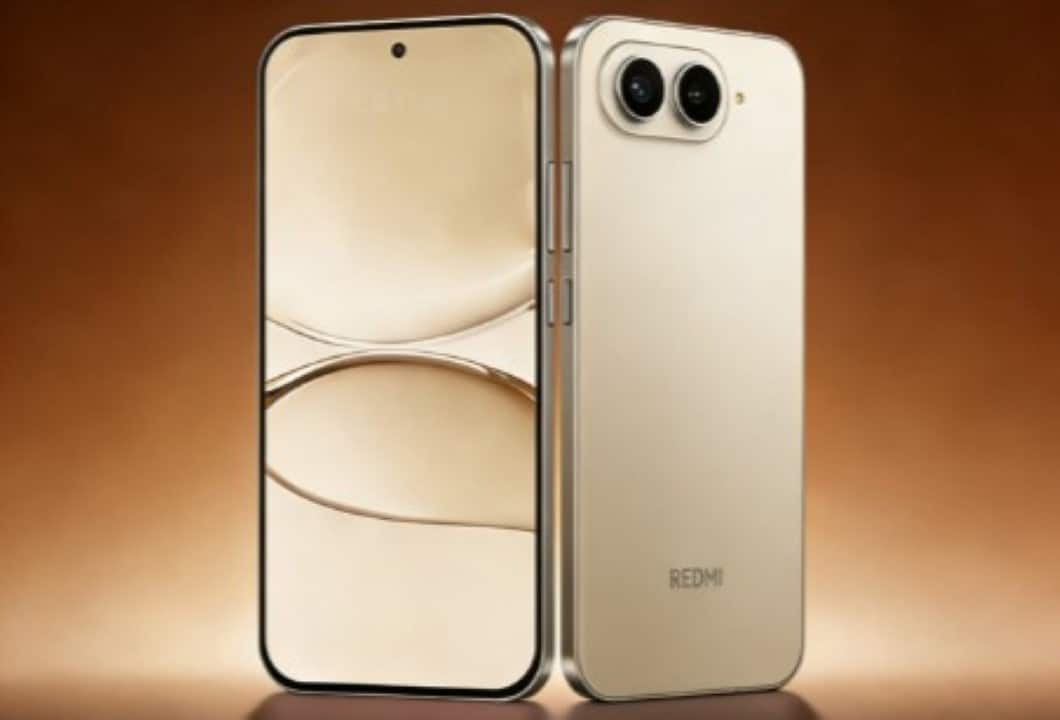
Mobile device manufacturer Poco, a subsidiary of technology giant Xiaomi, confirmed the official launch of its new generation of premium smartphones for the month of March. Recent leaks and global certifications reveal that the new series arrives to redefine hardware standards in the advanced mid-range segment, bringing technical specifications that directly rival high-end devices. The highlight of the new family of cell phones lies in the implementation of unprecedented energy storage and data processing technologies. The brand’s commercial strategy focuses on meeting the rigorous demands of consumers who need high performance for gaming and productivity, without giving up extended time away from the socket. The company’s engineers developed an internal architecture capable of accommodating robust components while maintaining an ergonomic design and reduced thickness. The expectation of the telecommunications sector is that the new models will establish a new level of cost-benefit in the international mobile telephony market. The official announcement details the arrival of two main variants for e-retail.
The operating system chosen to manage the entire new set of hardware is HyperOS 3, developed based on the Android 16 architecture. Esta software integration ensures a fluid browsing interface and ensures the receipt of continuous security packages. Source code optimization acts directly on managing the energy consumption of new processors.
The line is made up of the Pro and Pro Max models, each aimed at a specific profile of intensive use. The manufacturer maintained the brand’s characteristic visual identity, but introduced premium construction materials to increase the durability of the devices. The metal chassis replaces the plastic of previous generations, providing greater structural resistance.
Launch prices and availability at international retail
The global distribution schedule foresees the devices arriving on virtual and physical shelves from the end of the first quarter. The brand’s aggressive pricing policy was maintained, positioning the devices competitively against direct competitors from other Asian manufacturers. The base model of the line, equipped with high-performance specifications, has a suggested starting price of 399 euros in the European market. In direct conversion to Brazilian currency, without the application of import taxes or local customs fees, this amount represents approximately R$2,425.
The most advanced variant in the portfolio requires a slightly higher investment, justified by the substantial improvements in battery and graphics processing capacity. Color options available at the time of purchase include black, white and a special titanium finish.
- Input version:The standard Pro model delivers high memory and storage capacity at an affordable price for the category.
- Premium version:The Pro Max model, configured with 12 GB of RAM and 512 GB of internal space, has a starting price of 529 euros.
- Direct Conversion:The value of the most expensive model reaches around R$3,215 at the current exchange rate, disregarding national taxes.
- Distribution:The sale will take place simultaneously in the main markets of Ásia and Europa immediately after the presentation event.
Processing architecture and graphics performance
The processing core of the most advanced model is powered by the MediaTek Dimensity 9500 chip, a newly announced platform that focuses on energy efficiency and raw computing power. Este processor works in conjunction with the Immortalis-G925 MC12 graphics processing unit, designed specifically for rendering complex three-dimensional scenes. The hardware combination ensures frame rate stability in high-resolution games.
The standard version of the line does not present a significant difference in relation to the superior model, housing the Dimensity 8500 Ambos cell phones use the LPDDR5x Ultra RAM memory standard to speed up the transition between simultaneous tasks.
Energy capacity and charging technology
The most significant innovation of the new generation is found in the battery module, which adopts silicon-carbon anode technology in its chemical composition. Esta structural change allows the storage of a substantially greater amount of energy in a reduced physical space. The Pro Max model breaks category records by integrating a power cell with a total capacity of 8500 mAh.
The standard device in the series also has impressive numbers, housing a 6500 mAh battery that guarantees long periods of continuous use without the need for recharging. The thickness of the devices remains controlled despite the increase in energy capacity, measuring 8.2 millimeters in the Max version and 8.38 millimeters in the Pro version. The weight of smartphones varies between 201 and 218 grams, maintaining ergonomics during prolonged handling.
The power replacement system supports 100W HyperCharge technology through a wired connection, with the plug adapter included in the original factory packaging. The devices also support wireless charging with power of up to 27W. Reverse charging functionality is present, allowing power to be transferred from the smartphone to smaller accessories such as wireless earbuds and smart watches.
Visual display panel specifications
The smartphones’ visual interaction interface is built on high-resolution AMOLED technology panels, optimized for faithful color reproduction and deep contrasts. The larger device sports a 6.83-inch screen, delivering an exact resolution of 2772 x 1280 pixels. The display refresh rate reaches 120 Hz, ensuring the fluidity necessary for browsing social networks and executing dynamic media.
The panel’s peak brightness reaches 2000 nits, a technical specification that ensures perfect legibility of the information displayed even under direct sunlight. The entry-level model in the series has slightly smaller dimensions, with a 6.59-inch screen and a resolution of 2756 x 1268 pixels. The manufacturer maintained the same refresh rate of 120 Hz to standardize the user experience across the entire product line.
The physical integrity of the front panel is protected by the application of Corning Gorilla Glass 7i tempered glass, developed to resist deep scratches and accidental impacts. The protection technology acts as a physical barrier against daily wear and tear resulting from carrying the device in pockets or backpacks. Touch response has been improved to register commands with minimal latency.
Users’ eye health has been given special attention through the implementation of 3840Hz PWM dimming technology on both displays. Este technical feature works to drastically reduce screen flickering when the brightness is set to minimum levels. The functionality minimizes visual fatigue when reading at night or using your smartphone in environments with low artificial lighting.
Photoset and video capture settings
The image capture system has been restructured to meet the demands of contemporary mobile photography, using high-resolution sensors equipped with native optical image stabilization. The most advanced smartphone in the range uses the 50-megapixel Omnivision Light Fusion 600 sensor as its main lens, characterized by a focal aperture of f/1.50. Esta wide aperture maximizes the capture of ambient light, resulting in night photographs with a high level of detail and significant reduction in digital noise. The standard version adopts the Sony IMX882 sensor, also with 50 megapixels of resolution and optical stabilization, operating with an aperture of f/1.59.
The rear optics of both devices are complemented by an 8-megapixel ultra-wide-angle lens with f/2.2 aperture, designed specifically for capturing wide landscapes and large group photographs. The front camera houses a 20 megapixel sensor dedicated to recording self-portraits and making video calls in high definition. The image processing software integrates artificial intelligence algorithms for automatic scene detection, adjusting color and exposure parameters in real time. Video recording reaches 4K resolution, combining optical stabilization with electronics to eliminate hand shake during filming on the move.
Biometric connectivity and security standards
The wireless connectivity infrastructure of the new smartphone series incorporates the latest protocols approved by international telecommunications regulatory agencies. The devices natively support the Wi-Fi 7E standard, a technology that enables substantially higher data transfer rates when devices are connected to compatible routers. Esta evolution in the local network reduces latency in the transmission of data packets, a crucial factor for performance in competitive online games and in the consumption of video streams in very high resolution. Communication with nearby peripherals is managed by the Bluetooth 5.4 module, which establishes simultaneous connections with multiple accessories while maintaining strictly low power consumption. The traditional infrared ray emitter, a trademark of the manufacturer’s devices, was kept on the upper edge of the chassis, allowing the cell phone to act as a universal remote control for televisions and air conditioning units. The protection of data stored on the device is guaranteed by a fingerprint reader positioned under the AMOLED screen, which performs biometric authentication in fractions of a second. The operating system also provides three-dimensional facial recognition through the front camera as an alternative and secure method for quickly unlocking the home screen and accessing encrypted folders.
Software integration and daily usability
HyperOS 3’s virtual environment introduces tools focused on multitasking productivity, such as running applications in resizable floating windows. The interface allows deep customization of system icons, menus and animations, adapting the layout to each user’s individual preferences. Intelligent memory management suspends inactive background processes to direct processing power to applications in active use.
Strategic positioning in the technology market
The introduction of batteries with a silicon-carbon anode represents a milestone in the manufacturer’s mobile device engineering, solving the historical dilemma between energy autonomy and slim design. The adoption of MediaTek’s latest generation processors reinforces the strategic partnership between the two technology companies.
The official launch in March will place the new devices in direct competition with the main launches of the first half of the year in the telephone sector. The combination of top-of-the-line specifications with an aggressive pricing policy aims to consolidate the brand’s participation in the premium mid-range smartphone segment on a global scale.




