
ASUS Co-CEO Assesses Impact of MacBook Neo and Reactions in the Global Computer Industry

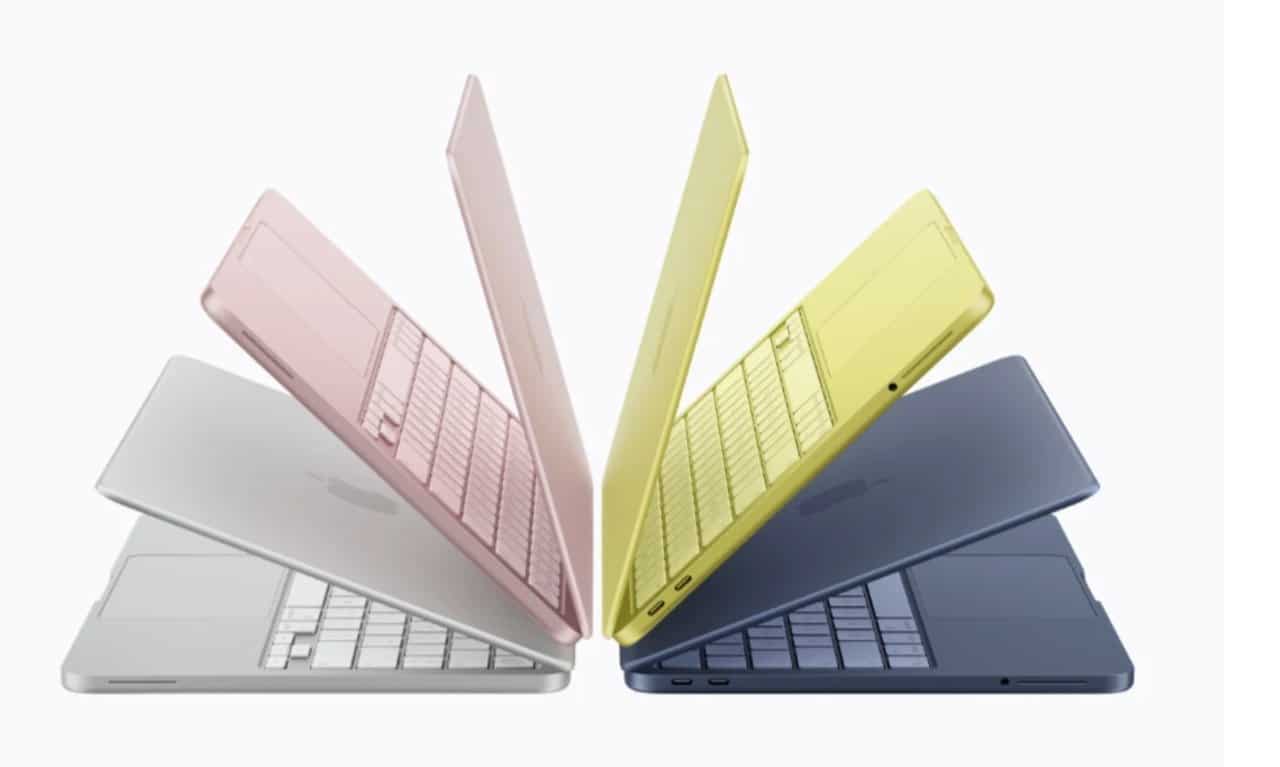
The launch of the MacBook At a recent investor conference, S.Y. Hsu, co-CEO of ASUS, one of the giants in the sector, articulated his company’s vision about the new device from the Cupertino giant. Para Hsu, the introduction of the MacBook Neo represented an inflection point in the notebook industry, forcing a strategic reassessment on the part of all players.
The ASUS executive highlighted that companies like Microsoft, Intel and AMD, which dominate the PC ecosystem, viewed the arrival of the MacBook Neo as a serious threat. Essa perception comes mainly from the pricing policy adopted by Apple, which surprised the market by offering a product with “friendly value”, an unusual move for a brand traditionally associated with high-cost products. The decision to position the MacBook Neo more competitively shook up established structures and drove the need for innovation.
Hsu stressed that the competitive landscape has changed drastically. “In the past, Apple’s prices have always been high, so for them to launch a value-friendly product is obviously a shock to the entire industry,” he said. Essa paradigm shift has put pressure on the entire PC ecosystem to rethink its product, price and added value strategies, aiming to maintain relevance and competitiveness in the face of the Apple offensive.
The Impacto on the Estratégias of the Mercado of PCs
The arrival of the MacBook Neo, with its aggressive value proposition, forced the PC industry to accelerate the development of new solutions and redefine its market approaches. Fabricantes of laptops and components, which historically competed on a relatively predictable terrain, now face an adversary that combines robust performance with a more affordable cost, changing purchasing dynamics and consumer expectations.
Microsoft, for example, has invested heavily in its Windows on ARM ecosystem, with the launch of devices that promise greater energy efficiency and improved performance, directly targeting the architecture of the Apple chips. Essa initiative seeks to replicate, within the Windows environment, the hardware-software integration that has been a differentiator for Apple, aiming to offer a competitive alternative to users.
- Focus on Copilot+ PCs:Microsoft and its partners are launching a new category of PCs focused on integrated artificial intelligence, seeking to offer exclusive features and better performance for everyday and professional tasks.
- Software optimization:Há an ongoing effort to ensure popular applications run natively and efficiently on ARM platforms, eliminating compatibility barriers.
- New generations of processors:Intel and AMD have intensified their efforts to launch more efficient and powerful processors, such as the Lunar Lake series of Intel and AMD’s upcoming architectures, which aim to reduce power consumption without compromising processing power.
- Innovation in design and battery:Fabricantes of notebooks are exploring new designs that are thinner, lighter and have longer battery life, attributes that have become crucial for the modern consumer.
This race for innovation demonstrates how seriously the PC industry takes the competitive threat, understanding that simply maintaining the status quo is no longer a viable option. The goal is to create products that not only rival, but surpass Apple’s offerings in terms of features, flexibility and ecosystem.
Hardware and Experiência challenges from Usuário
Despite the positive impact on the market in terms of competitiveness, Hsu also raised points about the hardware specifications of the MacBook Neo. Ele mentioned the 8GB unified memory configuration and the impossibility of upgrading, aspects that, according to the executive, could limit the experience of some users, especially those with more intense work demands.
“Of course, it’s not that it can’t do all the work, but considering the user experience and these hardware limitations, the experience, I think, differs significantly from mainstream products,” pondered Hsu. Essa observation raises the debate about the balance between cost-benefit and the capacity for expansion and customization, which have historically been strengths of the PC platform. Apple’s choice to focus on a unified, non-expandable architecture favors optimization, but may alienate professionals who depend on more robust and flexible configurations.
To Força Propulsora of Inovação in Chips
The rise of the MacBook Essa innovation not only allowed Apple to more closely control the entire production chain and optimize hardware-software integration, but also drove an unprecedented response from the PC industry.
The transition to ARM-based architectures in the Windows world, led by Microsoft in partnership with Qualcomm, and the intense development of new generations of CPUs by Intel and AMD, are direct reflections of the need to keep up with the pace set by Apple. Essa Beneficial competition leads to a future where all personal computers become more efficient, powerful, and capable of handling the growing demands of modern applications, from video editing to local artificial intelligence.
Scenario Volátil of Mercado of Componentes
In addition to the direct impact of the MacBook Neo, S.Y. Hsu addressed another crucial point affecting the industry: the crisis in the DRAM market. Segundo the executive, this crisis is expected to continue for at least another two years, which creates uncertainty and pressure on production costs for all PC manufacturers.
The DRAM crisis, which involves shortages or sharp fluctuations in the prices of memory components, has a ripple effect on the global supply chain. Ela directly affects the final cost of notebooks and other devices, requiring companies to reevaluate their pricing strategies and profit margins to remain competitive.
Adaptations from ASUS and Perspectivas Futuras
Faced with this complex scenario, the co-CEO of ASUS indicated that the company will need to re-examine the prices of its products. Essa analysis is critical to ensuring ASUS continues to deliver value to its consumers while managing the challenges posed by fierce competition and volatile component market conditions.
The company will seek to innovate in design, features and user experience, differentiating itself through its own strengths, such as the wide range of products and the focus on specific niches, such as gamers and content creators. Continuous adaptation is essential to navigate this new landscape of personal computing.
The Evolução of the Expectativas of the Consumidor
The dynamics of the PC market are intrinsically linked to the evolution of consumer expectations, who are increasingly looking for devices that combine portability, performance and an integrated digital ecosystem. The demand for innovation is constant, driven by new uses and technologies.
Horizon of Computação Pessoal and AI
The future of personal computing promises to be marked by significant advances, driven in large part by the increasingly deeper integration of artificial intelligence. The industry is exploring new ways of interacting, with smarter virtual assistants, local data processing and enhanced security features, all to deliver an unprecedented user experience.
Furthermore, the search for new product categories, such as foldable and hybrid devices, continues to heat up the market, offering consumers more options and flexibility to meet their diverse work, study and leisure needs. The impact of the MacBook Neo, while already visible, is still unfolding, and how the PC industry responds long term will shape trends for years to come.




